


Your Phone is a Personal Planetarium
Modern stargazing apps transform your phone into a powerful, portable guide to the universe. They use your device's built-in GPS, compass, and gyroscope to know exactly where you are and which direction you're pointing. When you hold your phone up to the sky,
the app displays a real-time, augmented reality (AR) map of the stars, planets, and constellations in that exact spot. This technology makes identifying celestial objects as simple as pointing your camera. You can see the sky map overlaid on your real-world view, instantly demystifying what you are looking at, day or night.
Choosing the Right Stargazing App
For beginners, the best apps are intuitive and visually appealing. Star Walk 2 is often recommended for its user-friendly interface and beautiful AR overlays, making it great for those just starting out. SkyView Lite is another excellent free option that excels at identifying objects simply by pointing your phone at them. For those wanting a very realistic and comprehensive star map, Stellarium Mobile is a top choice, showing the sky as you see it. Many of these apps are free or offer generous free versions, allowing you to start exploring without any initial investment.
Locating the Giants: Jupiter and Saturn
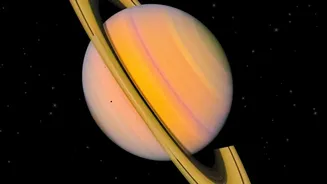
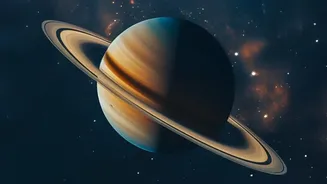
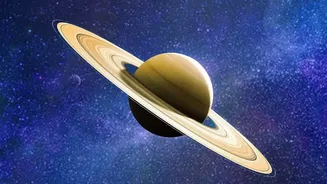
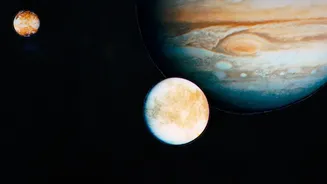
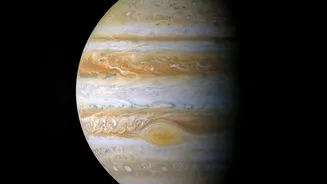
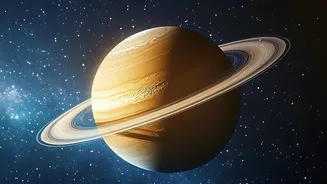
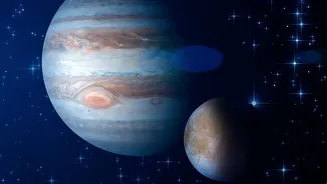
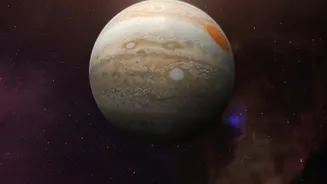
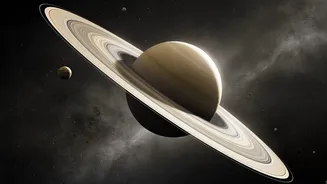
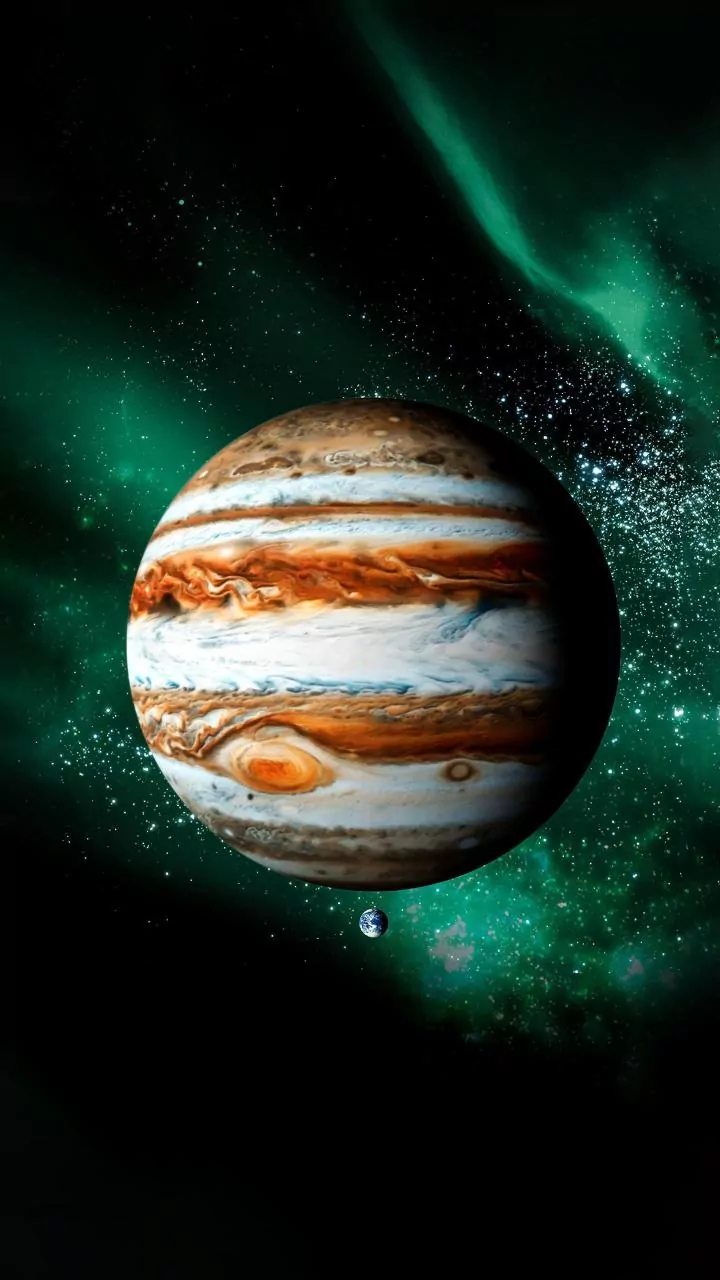
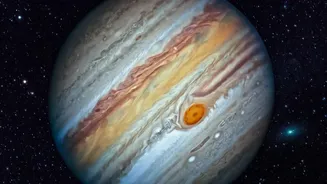
Jupiter and Saturn are two of the most rewarding planets for beginner skywatchers to find. To the naked eye, they appear as exceptionally bright, steady 'stars'. To locate them, simply open your chosen stargazing app. As you scan the sky with your phone, the app will label the bright dots on your screen. Tap on Jupiter or Saturn to get more information. The app’s 'Sky Path' or 'Time Travel' feature can also show you where the planets will be on any given date and time, helping you plan your viewing session. With a basic telescope, you can even see Jupiter's stripes and Saturn's famous rings.
Tracking the International Space Station (ISS)
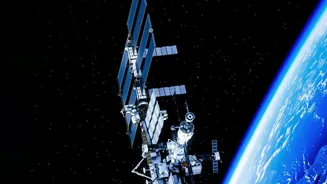
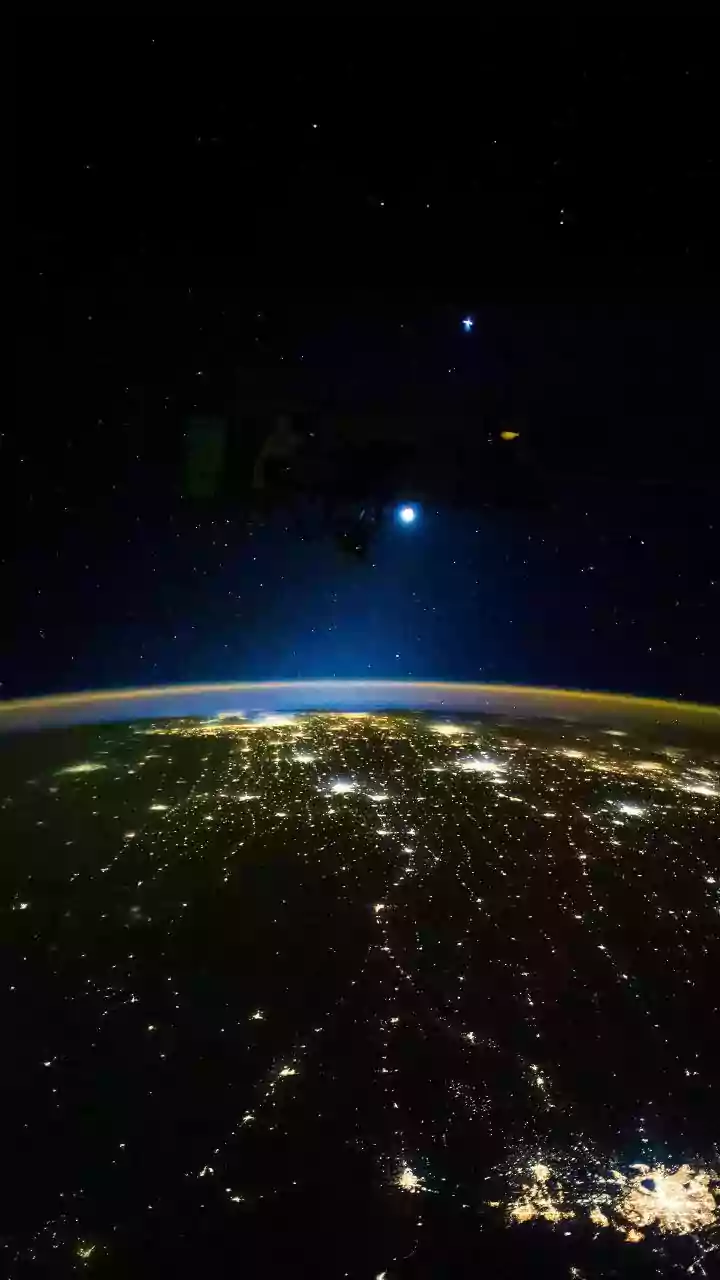
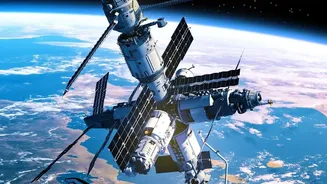
Unlike planets, the International Space Station (ISS) is a fast-moving satellite that is only visible for a few minutes at a time. Spotting it requires precise timing. Dedicated apps like ISS Detector or NASA's official Spot The Station app are perfect for this. These apps will send you notifications for upcoming viewing opportunities based on your exact location. They provide a real-time map showing the ISS's path across your sky, including where it will appear and disappear. Many general stargazing apps like Star Walk 2 and SkyView also include satellite tracking features, alerting you minutes before a flyover.
Tips for a Better Viewing Experience
To make the most of your stargazing session, try to get away from bright city lights. Light pollution can wash out fainter stars and make planets harder to spot. Find a park or an open area with a clear view of the horizon. Give your eyes about 15-20 minutes to fully adapt to the darkness; this will help you see much more. Many apps have a 'night mode' with a red filter to help preserve your night vision. Finally, be patient. Learning the constellations and watching the movement of the planets is a journey, and your phone is the perfect co-pilot to help you along the way.