


As temperatures drop, the cold, dry air can leave skin feeling tight, flaky, and uncomfortable. If your usual moisturiser isn't cutting it, it might be time to upgrade your technique, not just your products. Enter double hydration.
What Is Double Hydration?
Inspired by Japanese
skincare rituals, double hydration is a simple layering method designed to deliver and lock in moisture more effectively than a single product can alone. It’s not about slathering on two heavy creams. Instead, it involves applying two different types of hydrating products in a specific order: first, a water-attracting product to infuse the skin with hydration, and second, a protective product to seal that hydration in. Think of it as a two-step system: one product draws water in, and the other ensures it stays there, mimicking the skin's natural moisture-retention process.
The Science: Humectants and Occlusives
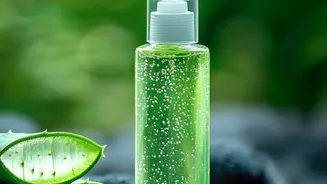
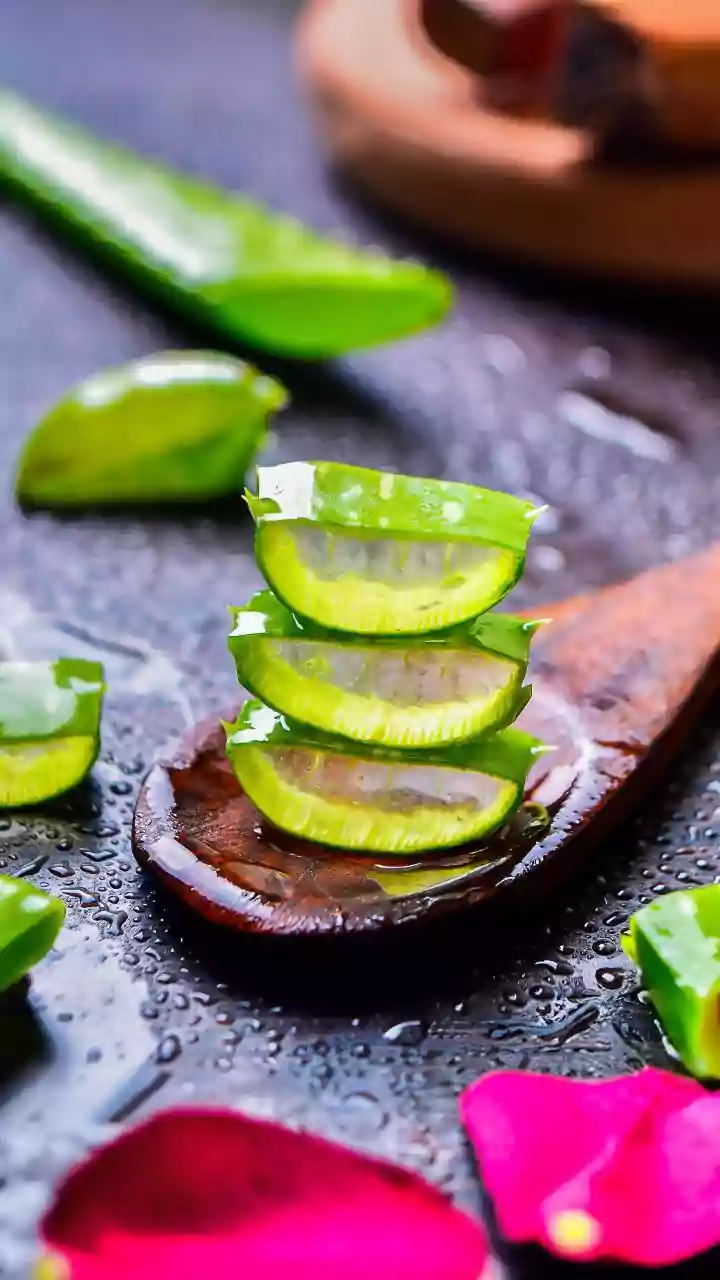
The magic of double hydration lies in the partnership between two key types of ingredients: humectants and occlusives. Humectants are water-loving molecules that attract moisture from the air and the deeper layers of your skin, pulling it into the outermost layer (the stratum corneum). Common examples include hyaluronic acid, glycerin, aloe vera, and panthenol. This is what gives your skin that initial plump, hydrated feel. Occlusives, on the other hand, create a physical barrier on the skin's surface. This barrier significantly slows down transepidermal water loss (TEWL), which is the process of water evaporating from your skin. Ingredients like petrolatum, shea butter, squalane, and dimethicone are effective occlusives. Using a humectant alone, especially in dry winter air, can sometimes backfire by pulling moisture from deeper within the skin, only for it to evaporate. By adding an occlusive on top, you trap the hydration, ensuring your skin stays moisturised for longer.
Your Step-by-Step Double Hydration Guide
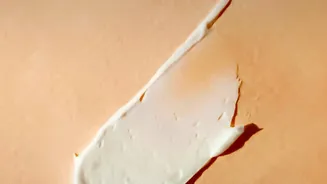
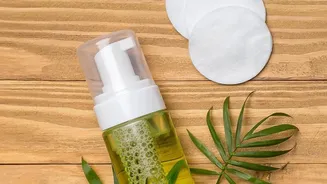
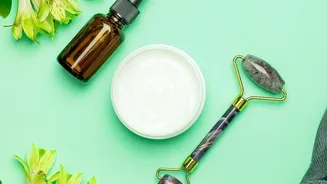
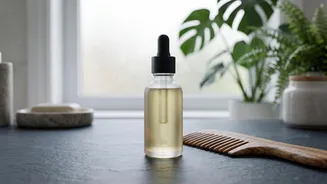
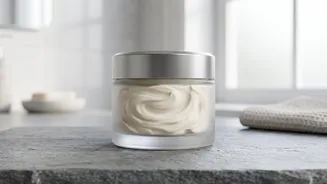
Incorporating this technique into your routine is straightforward. The golden rule is to apply products from the thinnest texture to the thickest. 1. Cleanse Gently: Start with a clean canvas. Use a mild, hydrating cleanser that doesn't strip your skin of its natural oils. 2. Apply Your Humectant Layer: While your skin is still slightly damp—not soaking wet—apply your humectant-rich product. This gives the humectant ingredients extra water to grab onto. This product could be a hydrating toner, an essence, or a water-based serum containing ingredients like hyaluronic acid or glycerin. 3. Seal with Your Occlusive Layer: Give the first layer a moment to absorb, then follow up with your occlusive product. This is typically a richer cream, lotion, or balm. This step locks in the hydration from the serum and prevents moisture from escaping throughout the day or night. For daytime, finish with sunscreen.
Choosing Products for Your Skin Type
Double hydration can be adapted for any skin type. If you have dry or mature skin, this method will be particularly beneficial. You can opt for a robust hyaluronic acid serum followed by a rich cream containing ceramides or shea butter. For those with oily or combination skin, the principle remains the same, but the products should be lighter. You can still benefit from sealing in hydration to keep oil production balanced. Try a lightweight, gel_based humectant serum and follow it with a non_comedogenic lotion or a moisturiser with lighter occlusives like dimethicone. The key is to provide hydration without adding excess weight or clogging pores.
Why It’s a Winter Game Changer
Winter air has low humidity, and indoor heating makes it even drier, both of which relentlessly pull moisture from your skin. This constant dehydration weakens your skin's protective barrier, leading to irritation, redness, and flakiness. A single layer of moisturiser might not be enough to combat these harsh conditions. Double hydration directly addresses this challenge by first replenishing the skin’s water content and then reinforcing its barrier to prevent that precious moisture from being lost to the environment. This ensures your skin remains resilient, comfortable, and glowing, even when the weather is working against it.