

Paschimottanasana, or the Seated Forward Bend, is a classic yoga posture known for its deep stretch. But what if straight legs feel impossible? The bent-knee modification isn't a shortcut; it's a powerful tool to unlock the pose's true benefits.
What Is Paschimottanasana?
Paschimottanasana
is a foundational seated yoga pose that involves folding the torso forward over the legs. The name translates from Sanskrit to 'Intense Stretch of the West' or 'back' side of the body. Traditionally, it’s praised for its ability to stretch the entire back of the body, from the heels to the neck, including the hamstrings, calves, and spine. Beyond the physical, it is considered a cooling, calming posture that encourages introspection and soothes the nervous system. The classic version of the pose is performed with legs straight, feet flexed, and the torso hinging forward from the hips to eventually rest on the thighs. However, achieving this 'perfect' shape is a challenge for many, especially those with tight hamstrings or lower back sensitivity.
Why Bending Your Knees Is Smarter, Not Weaker
Forcing your legs straight in a forward bend when your body isn't ready is one of the most common mistakes in yoga practice. It often leads to rounding the lower back, which puts unhealthy strain on the lumbar spine and negates the pose's benefits. Bending the knees is a primary alignment tool, not just a beginner's concession. This simple adjustment allows the pelvis to tilt forward correctly, which is crucial for a healthy forward fold. Instead of yanking on tight hamstrings, a generous knee bend allows you to hinge from the hips, keeping the spine long and protected. This shifts the focus from just stretching the legs to effectively releasing the entire back body, which is the primary goal of the posture.
How to Perform the Bent-Knee Modification
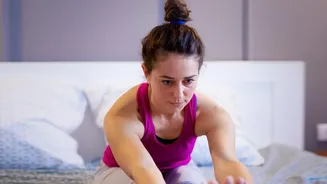
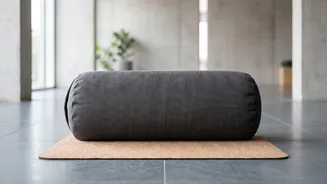
To practice the modified Seated Forward Bend, start by sitting on the floor with your legs extended in front of you. Bend your knees generously, enough so that you can comfortably place the soles of your feet flat on the floor. Inhale and lengthen your spine, sitting up tall on your sitting bones. You can even sit on the edge of a folded blanket to help your pelvis tilt forward. As you exhale, begin to hinge forward from your hip creases, not your waist. Lead with your chest and aim to connect your lower ribs to your thighs. Let your hands rest wherever they land naturally—on your shins, ankles, or the floor beside you. Avoid the temptation to pull yourself forward. With each inhale, think about creating length in your spine; with each exhale, allow yourself to soften deeper into the fold without forcing. Let your neck and head relax.
Key Benefits of This Approach
Embracing the bent-knee modification unlocks numerous benefits that the straight-legged version might conceal for many practitioners. Firstly, it significantly reduces the risk of injury, particularly to the lower back and hamstring attachments. By allowing the spine to remain long, you achieve a safer and more effective spinal release. This version makes the pose accessible to virtually everyone, regardless of flexibility levels. It helps calm the mind and nervous system by allowing the body to relax into the posture without strain. Furthermore, this modification can actually lead to greater flexibility over time. By consistently practicing with good alignment, you gently encourage the hamstrings to release, paving a safe path toward a deeper expression of the pose in the future.
Progressing Safely and Mindfully
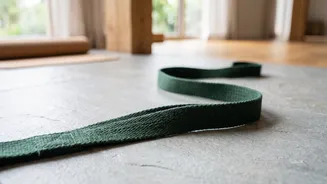
If your goal is to eventually straighten your legs in Paschimottanasana, the key is patience and consistency. Once you are comfortable in any bent knee fold with your torso resting on your thighs, you can begin to slowly work toward straightening. Start by gently sliding your heels forward, an inch or two at a time, while maintaining any connection between your chest and thighs. Only go as far as you can without your back rounding or feeling any sharp pain. Using a yoga strap looped around any balls of your feet can also be a helpful tool. It allows you to maintain a long spine while gently guiding your torso forward. Remember that every body is different. The ultimate goal isn't a specific shape but any mindful experience of any stretch within your own body.