




How Yoga Calms a Stressed System
When you experience stress, your body enters a "fight or flight" mode, activating the sympathetic nervous system. This leads to tense muscles, shallow breathing, and a racing mind. Mindful yoga acts as a counterbalance by activating the parasympathetic
nervous system, often called the "rest and digest" state. By combining gentle physical postures with conscious, deep breathing, you can physically release stored tension while signalling to your brain that you are safe. This process helps lower stress hormones, slows your heart rate, and allows your mind to settle, fostering emotional equilibrium. It’s not about contorting into difficult shapes, but about using simple movements to bring your body and mind back into harmony.
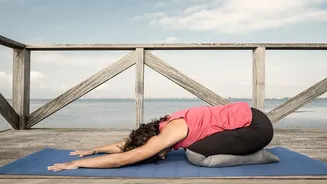
Child's Pose (Balasana)
This gentle, grounding pose is an immediate signal to your nervous system to calm down. Balasana provides a moment of quiet introspection, releasing tension in the back, shoulders, and hips where stress often accumulates. To practice, kneel on the floor with your big toes touching and knees comfortably wide. Fold forward, resting your torso between your thighs and your forehead on the floor. You can stretch your arms forward or rest them alongside your body with palms facing up. Focus on breathing deeply into your back, feeling your belly press against your thighs with each inhale. Stay here for at least one to two minutes, allowing your body to feel heavy and supported.
Cat-Cow Stretch (Marjaryasana/Bitilasana)
This dynamic movement is excellent for relieving tension along the spine and promoting a sense of calm. The gentle flexing and extending of the back can help soothe the mind and synchronise breath with movement, which is a core tenet of mindfulness. Start on your hands and knees with your wrists under your shoulders and knees under your hips. As you inhale, drop your belly, lift your chest and tailbone, and look forward (Cow Pose). As you exhale, round your spine toward the ceiling, tuck your chin to your chest, and press into your hands (Cat Pose). Continue flowing between these two poses for 5 to 10 breaths, letting your breath guide the movement.
Seated Forward Bend (Paschimottanasana)
Forward bends are naturally calming and introspective, helping to quiet a busy mind. This pose provides a deep stretch for the entire back of the body, from your heels to your neck, and invigorates the nervous system by increasing blood supply to the brain. Sit on the floor with your legs extended straight in front of you. You can sit on a folded blanket to help tilt your pelvis forward. Inhale to lengthen your spine, and as you exhale, hinge at your hips and gently fold forward over your legs. Rest your hands wherever they land comfortably—on your shins, ankles, or feet. Don't worry about how far you can go; simply relax into the stretch and breathe deeply for 5 to 10 breaths.
Legs-Up-The-Wall Pose (Viparita Karani)
Considered one of the most restorative and instantly calming yoga postures, Viparita Karani is perfect for tired minds and bodies. This gentle inversion helps calm the nervous system, facilitates lymphatic drainage, and can alleviate fatigue. To get into the pose, sit with one hip against a wall. Gently swing your legs up the wall as you pivot and lie on your back. Your sit bones should be as close to the wall as is comfortable. Let your arms rest by your sides with palms facing up. Close your eyes and breathe naturally. Stay in this deeply relaxing pose for 5 to 15 minutes to feel the full benefits of restoration.