






A Culinary Pilgrimage on a Platter
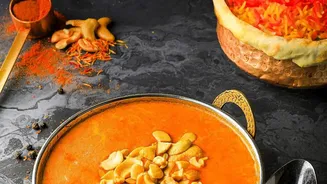
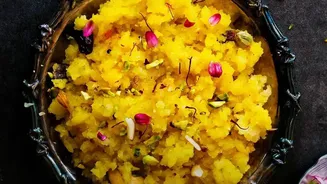
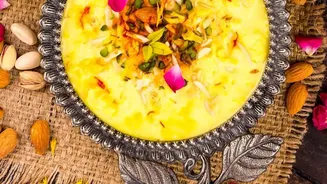
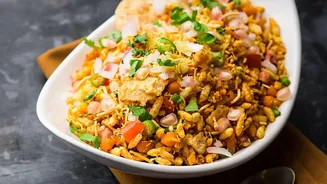
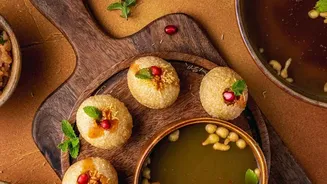
The Navratri feast is no longer confined to home kitchens. Across the country, restaurants and cloud kitchens are curating special 'vrat-friendly' menus, transforming the fasting period into a culinary exploration. These menus meticulously follow sattvic
principles, avoiding onion, garlic, and common grains while championing ingredients like buckwheat flour (kuttu), water chestnut flour (singhara), and rock salt (sendha namak). Diners can find everything from elaborate thalis featuring Sabudana khichdi and kuttu ki puri to inventive dishes like amaranth flour pancakes and roasted makhana snacks. This trend caters not only to those observing the fast but also to food enthusiasts eager to experience the unique, subtle flavours of traditional festive cuisine. It’s a testament to how food businesses are tapping into the seasonal demand, with some reporting a significant increase in sales and menu overhauls during the festival.
Homes Aglow with Tradition and Trend
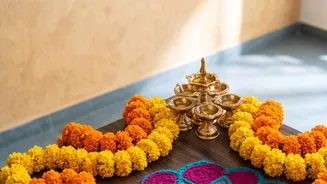
Decorating the home for Navratri has become an expressive art form, blending age-old customs with modern aesthetics. While traditional elements like earthen diyas, vibrant rangolis made of flowers or coloured powders, and intricate torans (door hangings) remain central, there's a visible shift in how people are styling their spaces. Many are now embracing eco-friendly and sustainable options, such as reusable fabric buntings, clay idols, and handmade decorations. The concept of decorating based on the specific colour assigned to each of Navratri's nine days is also gaining popularity, with families swapping out cushion covers and drapes to match the daily theme. Online marketplaces and local artisans are fuelling this trend, offering everything from timeless brass idols and urlis to contemporary LED lanterns, allowing for a personalized festive ambiance that can be both sacred and stylish.
Journeys of Faith and Festivity
Navratri has firmly established itself as a peak season for travel, motivating two distinct types of journeys. The first is the spiritual pilgrimage, with devotees travelling to revered Shakti Peethas and temples dedicated to Goddess Durga. Travel agencies cater to this with curated 'Nau Durga Yatra' packages that guide pilgrims through sacred sites. The second, and rapidly growing, category is cultural tourism. Cities in Gujarat, the heartland of Garba, become major attractions. Beyond Gujarat, metropolitan hubs like Delhi and Mumbai now host massive, ticketed Dandiya and Garba nights. These are no longer just community gatherings; they are large-scale productions featuring famous singers, live bands, and a high-energy atmosphere often described as 'Disco Dandiya'. These events attract thousands, creating a festive travel boom that merges dance, music, and celebration.
The New Festive Economy
This modern mix of food, decor, and travel highlights Navratri's evolution from a purely religious observance into a significant economic and cultural event. The nine nights now support a bustling seasonal ecosystem. Home chefs and small businesses roll out special festive menus, while decor companies see a surge in demand for both traditional and modern items. Event management firms organize grand Garba nights that are major social calendar highlights. This fusion of piety and commerce, tradition and trend, demonstrates the dynamic nature of culture in India. The festival's spirit of renewal and victory of good over evil is now also reflected in the vibrant energy of community celebration and economic activity it inspires.