



Craving something sweet doesn’t mean you have to abandon your health goals. The secret isn't total deprivation, but mindfulness. It’s about choosing smarter treats and understanding how portion size and total carbohydrates impact your body.
Why Portions and Carbs Matter
Before diving
into dessert, it’s crucial to understand two key ideas. First, portion control is everything. A smaller serving of a treat can satisfy a craving without overwhelming your system. Studies and consumer trends show a growing interest in portion-controlled treats over jumbo sizes. Second, while 'sugar' is the usual suspect, it's the 'total carbohydrates' that give a fuller picture of how a food affects blood glucose. Total carbohydrates include naturally occurring sugars (like in fruit), added sugars, starches, and fiber. Focusing on the total carb count helps you make more informed decisions, rather than just avoiding anything with 'sugar' on the label.
1. Berry and Greek Yogurt Parfait
A classic for a reason, this dessert is both satisfying and nutritious. Greek yogurt is packed with protein, which helps promote fullness and stabilizes the blood sugar response. Berries are naturally sweet and full of fiber and antioxidants. To keep it mindful, use plain, unsweetened Greek yogurt and fresh or frozen berries. The juice from thawed blueberries can act as a natural sweetener. Layer yogurt and berries in a glass. If you want a crunch, add a small sprinkle of granola or a tablespoon of chia seeds, but be aware that granola can add significant sugar and carbs.
2. Baked Apples with Cinnamon
Baking apples enhances their natural sweetness, creating a warm, comforting dessert without needing much added sugar. Apples are a great source of fiber, which aids digestion. Cinnamon is more than just a flavouring; it has anti-inflammatory properties and can help regulate blood sugar levels and reduce sweet cravings. Simply core an apple, sprinkle with cinnamon, and bake until tender. You can stuff the core with a few oats or chopped walnuts for texture. This simple preparation provides a satisfying dessert with minimal processing.
3. A Square of Dark Chocolate
For chocolate lovers, this is the ultimate mindful indulgence. Dark chocolate with a high cocoa content (70% or more) contains less sugar than milk chocolate and is rich in antioxidants, iron, and magnesium. These compounds may help reduce inflammation and lower the risk of heart disease. The key here is portion size. A single serving of 20–30 grams is often cited as a balanced amount that allows you to reap the benefits without overdoing the calories and fat. Savor one or two squares slowly to truly enjoy the complex flavour.
4. Chia Seed Pudding
Chia seeds are nutritional powerhouses, packed with fiber, protein, and omega–3 fatty acids. When soaked in liquid, they form a gel, creating a pudding–like texture. This makes for an incredibly filling and low–carb dessert option. To prepare, mix a few tablespoons of chia seeds with an unsweetened milk of your choice, like almond or soy milk. You can add a dash of vanilla or cocoa powder for flavour. Let it sit in the fridge for a few hours or overnight. Top with a few fresh berries before serving.
5. Homemade Fruit Popsicles
A refreshing treat, especially in warmer weather, homemade popsicles put you in control of the ingredients. Most store–bought versions are loaded with added sugar. To make your own, simply blend your favourite fruits, like mangoes, berries, or pineapple, with a little water and pour the mixture into popsicle moulds. For a creamier texture, you can add a bit of plain yogurt. Freezing fruit brings out its natural sweetness, making it a delicious and guilt–free option to satisfy a craving for something cold and sweet.
6. A Handful of Nuts with a Date
Sometimes the simplest desserts are the most effective. A small, controlled portion of nuts like almonds or walnuts provides healthy fats, protein, and fiber, which contribute to a feeling of fullness. Paired with one or two dates, you get a satisfying combination of crunchy, chewy, and sweet. Dates are naturally very sweet and provide a caramel–like flavour, but they are also dense in sugar and calories, so portioning is vital. This combination offers sustained energy rather than the quick spike and crash associated with sugary snacks.
7. Fruit Salad with a Twist
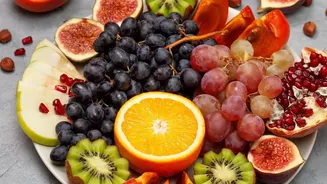
A simple fruit salad is a classic healthy dessert, but you can elevate it to make it feel more special. Combine a mix of colourful fruits to maximize your intake of different vitamins and antioxidants. Instead of a sugary syrup, create a dressing from freshly squeezed lime or lemon juice and some finely chopped mint. The citrus brightens the flavours of the fruit, while the mint adds a refreshing finish. It’s a vibrant, hydrating, and naturally sweet dessert that is both delicious and nourishing.