


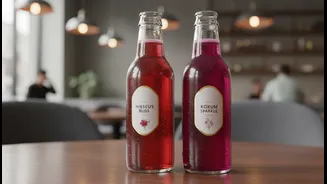




The Billion-Dollar Promise in a Bottle
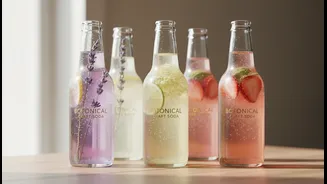
Walk into any supermarket today, and you’ll find them: sleek cans and bottles promising to do more than just quench your thirst. These are 'functional beverages', a rapidly growing category of drinks infused with ingredients that claim to enhance physical
or mental well-being. The market is flooded with options containing everything from adaptogenic herbs like ashwagandha to stress-relieving nootropics like L-theanine, and gut-friendly probiotics. Brands are tapping into a global consumer demand for health and wellness, offering convenient, drinkable solutions for stress, fatigue, poor focus, and digestive issues. The global market for these drinks is valued in the hundreds of billions of dollars, fuelled by promises of a healthier, more optimised you, one sip at a time. But with so many products making bold claims, discerning consumers are beginning to ask a crucial question: do they actually work?
Decoding the Buzzwords
To understand these drinks, you first need to understand their ingredients. The most popular additives fall into a few key categories. Adaptogens are plants and mushrooms, like ashwagandha and reishi, that are claimed to help the body manage stress. Nootropics, or 'smart drugs', are substances said to improve cognitive functions like memory and focus; common examples include L-theanine and Lion's Mane mushroom. Then there are probiotics, live bacteria intended to support gut health, which are often found in fermented drinks like kombucha or added to juices. While many of these ingredients have roots in traditional medicine, their inclusion in mass-market beverages is a relatively new phenomenon, leaving many to wonder about their efficacy.
The Science vs. The Sip
The core issue with many functional beverages is the gap between the proven benefit of an ingredient and its effect in a commercial drink. An ingredient's effectiveness depends heavily on dosage, formulation, and bioavailability. For example, studies showing that ashwagandha can reduce stress often use concentrated extracts in daily doses of 300-600mg. A trendy drink might contain ashwagandha but in a much smaller, potentially ineffective amount. Similarly, for probiotics to be effective, they must not only be present in adequate amounts but also survive the acidic journey through the stomach to reach the intestines—a challenge for many liquid formats. L-theanine, often paired with caffeine, has more robust evidence for promoting 'calm alertness', with studies showing effects at doses commonly found in drinks (around 100-200mg). However, many other claims lack strong scientific backing, leading experts to advise caution. In India, the Food Safety and Standards Authority of India (FSSAI) has strict regulations, requiring that any health claim be substantiated with scientific evidence and that the effective dosage is present in the product. This means a vague claim like "boosts immunity" is much harder to make than a specific, FSSAI-approved one like "Vitamin C contributes to normal immune function."
How to Be a Smarter Consumer
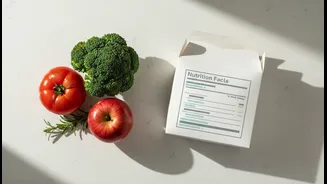
Navigating this confusing landscape requires a critical eye. First, ignore the flashy marketing on the front of the can and turn directly to the ingredient list and nutritional information on the back. Look for the specific quantity of the active ingredient. If a drink claims to help you focus with L-theanine, check if the dose is near the 100-200mg range supported by research. Be wary of 'proprietary blends' that don't disclose the amount of each ingredient. Second, check for added sugars. Many functional drinks are loaded with sugar, which can negate any potential health benefits. Third, look for third-party certifications or evidence of clinical studies, although this is rare. Brands that are transparent about their sourcing and dosages are generally more trustworthy. Finally, remember that consistency is often key. Many of these ingredients, especially plant-based nootropics, may require regular consumption over weeks or months to show any effect, which is often not how people consume these beverages.