





The Taste of the Monsoon
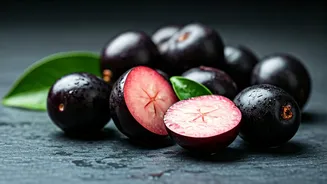
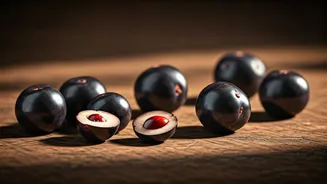
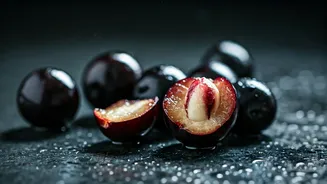
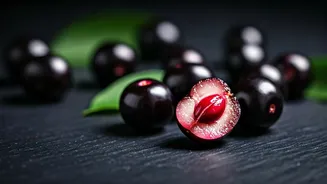
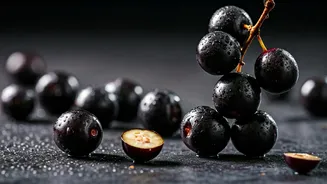
For many of us, the arrival of Jamun, also known as black plum or Java plum, is a true sign that the monsoon is here. This humble, deep-purple fruit is more than just a seasonal treat; it's a piece of our collective childhood. Remember the joy of buying
a paper cone filled with Jamun, sprinkled with black salt, and competing with friends to see whose tongue got the darkest? The flavour is an unforgettable mix of sweet, tart, and astringent that is uniquely its own. But beyond the nostalgia, the Jamun is a nutritional powerhouse that comes and goes in a flash. Its season is short, typically lasting from June to August, making every handful a precious opportunity.
A Treasure Trove of Health Benefits
Don't let its small size fool you; the Jamun is packed with a wide array of health benefits. It is an excellent source of vitamins C and A, iron, and potassium. The deep purple colour comes from anthocyanins, powerful antioxidants that help fight free radicals in the body, which can reduce oxidative stress and lower the risk of chronic diseases. Traditional Ayurvedic and Unani medicine have prized Jamun for centuries, using not just the fruit but also its leaves, bark, and seeds. It's known for its cooling properties, making it a perfect fruit for the hot and humid Indian weather. It also aids digestion and is beneficial for maintaining healthy skin and eyes, thanks to its rich vitamin content.
A Friend to Diabetics
One of the most celebrated properties of Jamun is its potential benefit for people managing diabetes. The fruit has a low glycemic index, which means it releases sugar into the bloodstream slowly, preventing sharp spikes in blood glucose levels. Furthermore, compounds like jamboline and jambosine found in the seeds are believed to help slow down the rate at which the body converts starch into sugar. For this reason, Jamun seed powder (churna) is a popular traditional remedy. While the fruit can be a healthy addition to a diabetic-friendly diet, it's crucial to consume it in moderation and as part of a balanced meal plan. It is not a replacement for medication or medical advice.
Creative Ways to Enjoy Jamun
While eating them fresh with a pinch of kala namak is a classic, there are many other exciting ways to incorporate this super-fruit into your diet. **Jamun Shots:** Deseed the fruit and blend it with a little water, black salt, and roasted cumin powder for a refreshing and healthy cooler. **Jamun Popsicles:** Puree the pulp with a touch of honey or jaggery, pour into popsicle moulds, and freeze. It's a perfect healthy treat for kids and adults alike. **Jamun Salad:** Add deseeded, halved Jamuns to a fresh salad with cucumber, onions, and a light lemon-based dressing. The tartness of the fruit adds a wonderful dimension. **Jamun Raita:** Finely chop the fruit and mix it into chilled yogurt with roasted cumin and salt. It’s a delicious twist on a classic side dish.
How to Pick the Best
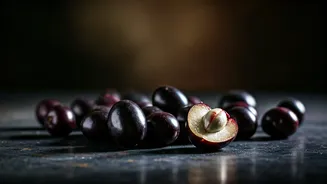
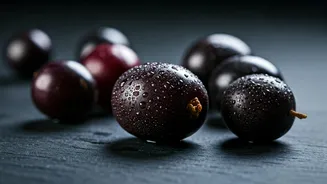
When you're at the market, look for Jamuns that are plump, firm, and have a deep, uniform purplish-black colour. Avoid fruits that are bruised, mushy, or have any signs of mould. Lighter, reddish-purple fruits are likely to be unripe and overly astringent. Once you bring them home, it’s best to consume them within a day or two for the best flavour and texture. Store them in the refrigerator in a paper bag or a loosely covered container to keep them fresh. Wash them thoroughly just before you plan to eat them, not before storing, as excess moisture can make them spoil faster.