




The Real Dangers of Monsoon Trails
The allure of trekking through misty mountains and past roaring waterfalls during the monsoon is undeniable. However, experienced trekkers and safety experts warn that the primary danger isn't simply getting wet. The real, life-threatening risks are more
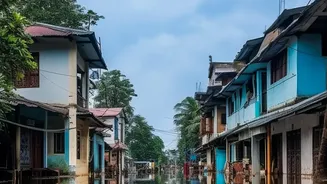
specific and can arise with terrifying speed. The most significant is flash flooding in narrow gullies and stream beds. It doesn't even need to be raining where you are; heavy rainfall upstream can channel immense volumes of water through a trail, turning a dry path into a raging torrent in minutes. Another major hazard is the terrain itself. Rocks common in the Western Ghats, like basalt and laterite, become incredibly slippery when wet, making steep sections treacherous. Finally, seasonal streams that are easy to cross in other seasons can become deep, fast-flowing, and impassable after a downpour, trapping trekkers.
A Digital Lifeline When Off The Grid
While mobile phone connectivity is notoriously unreliable in the remote areas where trekkers venture, a different kind of technology offers a powerful safety net: the Personal Locator Beacon (PLB). A PLB is a compact, rugged, handheld device that does one thing exceptionally well: send a distress signal in a life-or-death emergency. It doesn't rely on cellular networks. Instead, when activated, it transmits a powerful 406 MHz signal to the Cospas-Sarsat international satellite system, a network of satellites monitored by search and rescue authorities worldwide. This isn't a tool for checking the weather or sending casual messages; it is strictly for situations where you face grave and immediate danger and self-rescue is impossible.
How Beacons Enable Real-Time Rescue
When a trekker activates a PLB, the device’s built-in GPS determines its precise coordinates. This location data is embedded in the distress signal sent to the satellites. The satellites then relay this information to a ground station, which automatically forwards it to the relevant regional search and rescue (SAR) authorities. This process drastically reduces the time it takes for rescuers to know you're in trouble and, crucially, exactly where to find you. The accuracy can be within a few hundred feet. While the beacon doesn't provide an alert about an impending flood, it becomes a trekker's most critical tool if they become trapped, injured, or swept away by one. This real-time location sharing during an active emergency is what makes it a life-saving upgrade for monsoon safety.
Growing Adoption in Indian Trekking
As adventure tourism grows across India, so does the focus on safety. Several state governments and eco-tourism bodies are looking to formalise trekking and integrate technology. In Odisha, for instance, new regulations for trekking in protected areas require empanelled tour agencies to carry safety equipment including GPS devices and satellite phones. Similarly, following incidents in Karnataka, there is growing consensus on the need for technological interventions for tracking, with experts pointing to the effectiveness of handheld GPS trackers used in other countries. While the private use of some satellite devices still faces regulatory hurdles, their role as a critical piece of safety equipment is becoming undeniable. Trekking companies are also increasingly incorporating walkie-talkies and satellite messengers for their groups to ensure communication lines remain open.
Technology is a Tool, Not a Substitute for Judgment
Experts and rescue professionals are quick to point out that a PLB is a last resort, not a free pass to take unnecessary risks. The fundamentals of monsoon trekking safety remain paramount. This includes thoroughly researching your trail, choosing routes known to be safer during the monsoon, and avoiding those with high exposure to flash floods or landslides. Always check weather forecasts, trek with experienced local guides, and carry appropriate gear like high-traction footwear and waterproof layers. A GPS beacon can be the difference between life and death when something goes wrong, but sound judgment, proper planning, and respect for nature's power are what prevent you from needing it in the first place.