


Ditching the Itinerary for Intention
Welcome to the era of 'slow travel'. Born from the same philosophy as the slow food movement, this approach rejects the idea that a good trip means seeing as much as possible in the shortest amount of time. Instead, it champions longer stays in fewer
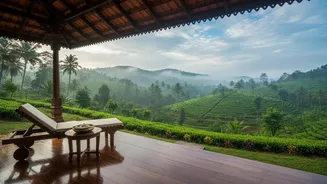
locations, fostering a genuine connection with the local culture, environment, and community. This mindset particularly resonates with Gen Z. Faced with digital burnout and a desire for authentic experiences, younger travelers are increasingly prioritizing rest, personal growth, and sustainability over simply collecting passport stamps. Rather than a packed schedule, the goal is a renewed sense of self and a real understanding of a place.
Enter the Micro-Retreat
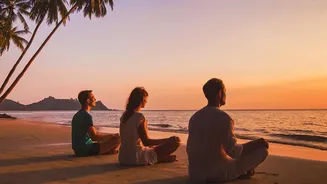
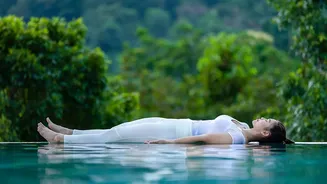
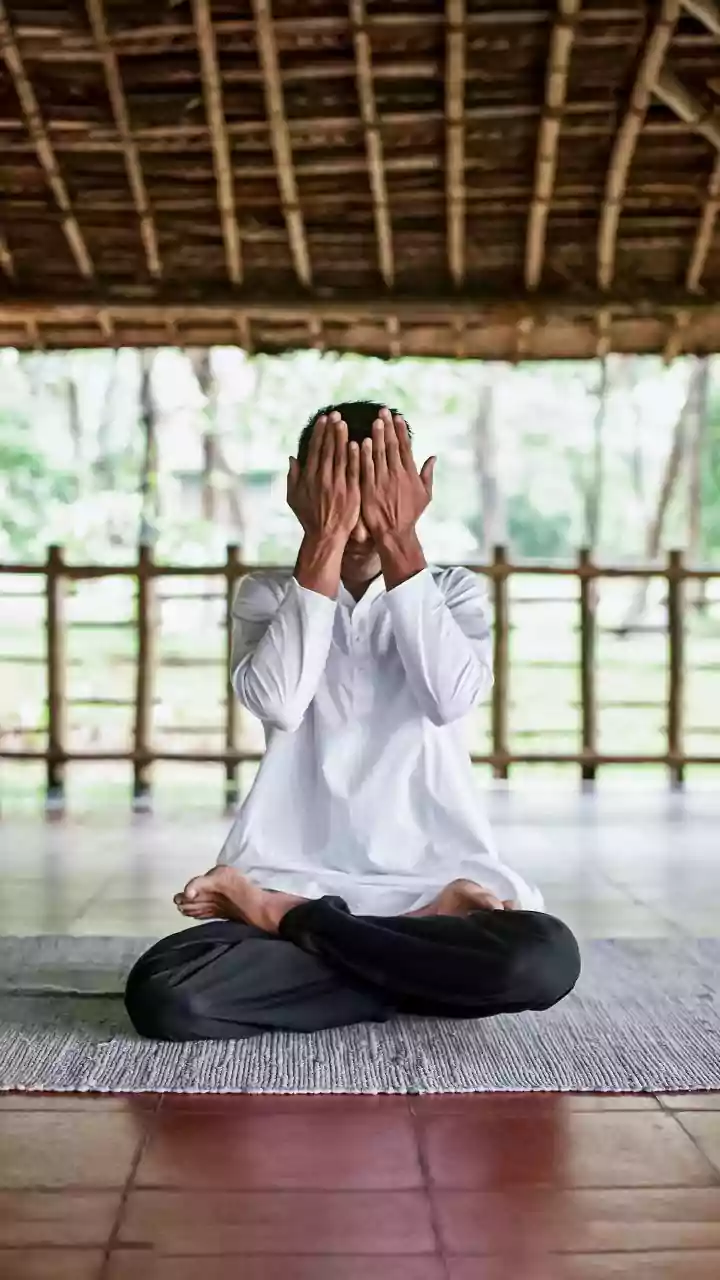
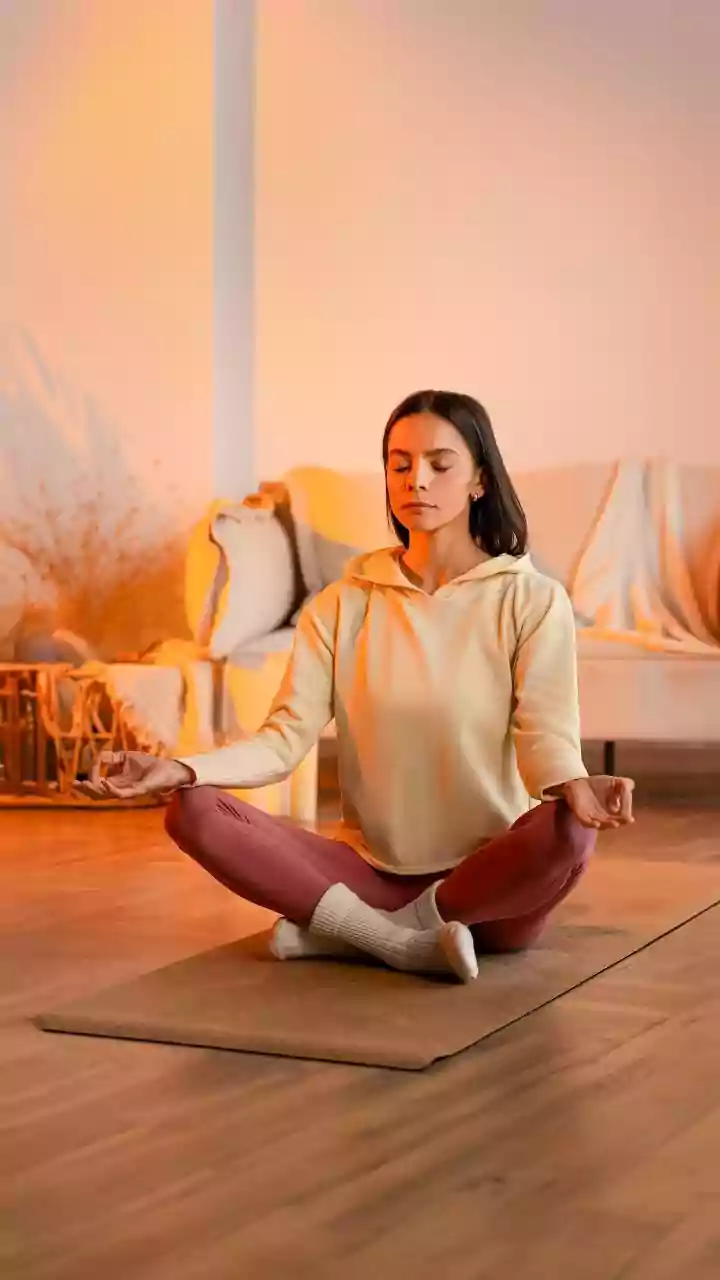
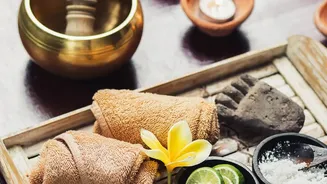
So where does one go to practice this intentional new way of traveling? Enter the micro-retreat. These are not week-long, prohibitively expensive wellness escapes. A micro-retreat is a short, focused getaway, typically lasting just a few days, centered around a specific theme or purpose. Think of a weekend dedicated to yoga, a three-day creative writing workshop in the countryside, a guided digital detox, or a culinary immersion with local chefs. The key is that they are accessible, affordable, and intensive. They offer a concentrated dose of restoration and skill-building without requiring a huge commitment of time or money, making them a powerful tool for combating stress and regaining clarity.
A Perfect Match for a New Generation
The connection between slow travel and micro-retreats is clear: the latter provides the perfect structure for the former. For a generation that values experiences over possessions but often faces budget and time constraints, micro-retreats are an ideal solution. They offer the depth and authenticity that slow travel promises, but in a compact, manageable format. A recent Expedia report highlighted a massive surge in interest among Gen Z for farm stays and quieter getaways that offer a break from the hustle. These short, immersive trips allow travelers to disconnect from their daily routines, connect with like-minded individuals, and return feeling genuinely recharged rather than more exhausted.
More Than Just a Vacation
Ultimately, the rise of both slow travel and micro-retreats points to a larger cultural shift. It’s a move away from travel as a performative act—racking up destinations for social media—and toward travel as a form of self-care and personal development. The global wellness retreat market is projected to nearly double to over $360 billion by 2032, largely fueled by a generation seeking proactive solutions to burnout. These travelers aren't just looking for an escape; they are seeking transformation. They want to learn a new skill, shift their perspective, or simply create the space to hear their own thoughts again. It signals a new priority where the main souvenir you bring home is a renewed sense of well-being.