
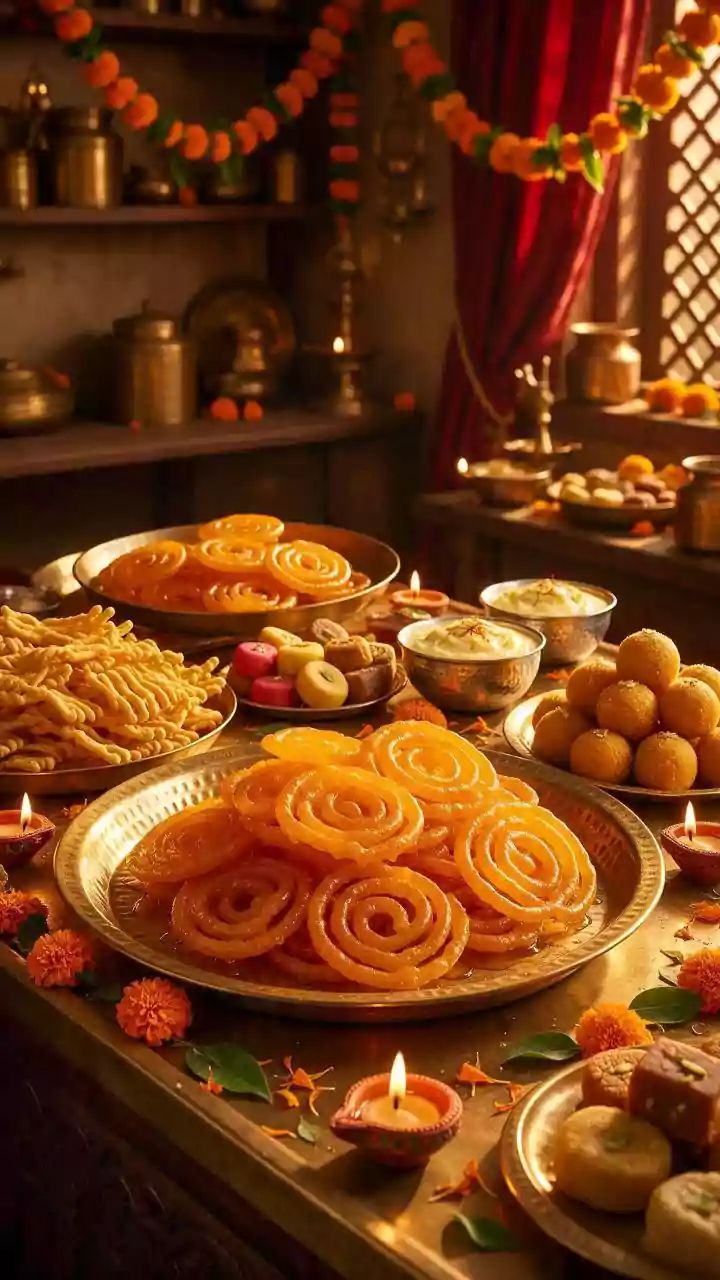



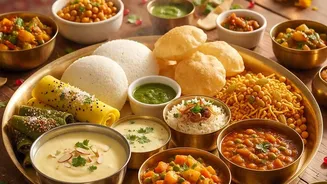
Every Diwali, Maharashtrian homes fill with the aroma of Faral, a platter of festive snacks. But this cherished tradition is no longer a regional secret; it's winning hearts and taste buds across India. What's behind this delicious takeover?
The Heart of a Maharashtrian Diwali
First, what
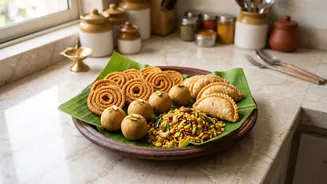
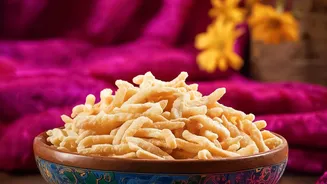
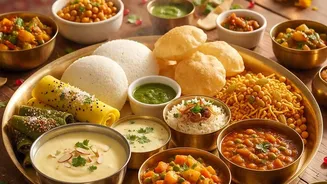
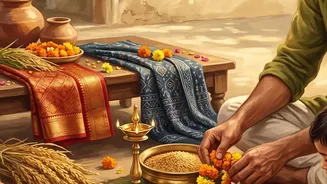
exactly is Faral? It's not a single dish, but a lovingly prepared collection of sweet and savoury snacks that defines Diwali in Maharashtra. This festive platter is a study in balance. On the savoury side, you'll find the iconic spiral-shaped 'Chakli', a crunchy snack made from spiced rice and lentil flour. Then there’s 'Poha Chivda', a spiced mixture of flattened rice, nuts, and curry leaves. For those with a sweet tooth, there are 'Shankarpali', sweet, diamond-shaped fried biscuits, and 'Karanji', crescent-shaped pastries filled with a sweet mixture of coconut, jaggery, and cardamom. And no Faral is complete without Ladoos, particularly the rich 'Besan Ladoo' made from gram flour and ghee. Traditionally, these snacks are made at home in large batches days before the festival, a process that brings families together. They are then shared generously with neighbours, friends, and guests, embodying the spirit of community and celebration.
A Taste of Home, Anywhere in India
One of the simplest reasons for Faral's growing footprint is migration. As people from Maharashtra move to cities like Bengaluru, Delhi, and Hyderabad for education and work, they carry their traditions with them. This creates two effects. Firstly, it establishes a 'taste of home' demand for those who miss their family's homemade treats. For many, the aroma and flavour of Faral are deeply tied to childhood memories and the festive spirit. Secondly, it introduces these unique snacks to a new audience. Non-Maharashtrian friends, neighbours, and colleagues are invited to share in the festivities, getting their first taste of Chakli or Shankarpali. This cultural exchange, happening in countless homes and offices, has planted the seeds of Faral's popularity in new soil.
The Rise of the Home Chef and Online Delivery
The tradition of making Faral at home is time-consuming and laborious. This reality, combined with busy modern lifestyles, has created a thriving market for ready-made Faral. Stepping up to meet this demand are countless home chefs and women's self-help groups, many of whom have turned generational recipes into successful businesses. Initially serving local communities, these entrepreneurs are now leveraging the power of e-commerce and social media. Through Instagram, WhatsApp, and dedicated websites, they ship freshly made, preservative-free Faral across the country. Platforms dedicated to homemade food now list numerous home chefs offering curated Faral boxes, making it easier than ever for someone in Chennai to order authentic snacks from a cook in Pune. This direct-to-consumer model has made Faral accessible to anyone with an internet connection.
Beyond the Usual Mithai Box
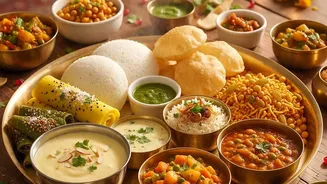
There's a larger culinary trend at play: a growing appetite for authentic, regional Indian food. Consumers are increasingly looking beyond the standardndissue Kaju Katli and Soan Papdi that dominate mainstream festive gifting. They are seeking novelty, authenticity, and a connection to a specific culture. Faral perfectly fits this niche. Its unique combination of sweet, salty, and spicy flavours offers a more complex and interesting snacking experience than a typical box of mithai. As food lovers and bloggers share vibrant pictures of Faral platters on social media, curiosity turns into demand. People are no longer just looking for a sweet; they're looking for a story and a culinary experience, and Faral delivers on both fronts.