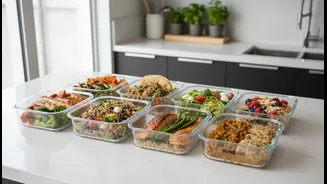









The Promise: Convenience and Control
The primary appeal of a meal subscription is undeniable: it saves time. For busy professionals and families across Indian cities, the daily grind of planning, shopping, cooking, and cleaning is a significant burden. These services eliminate the hassle,
delivering pre-portioned, often fully cooked meals right to your doorstep. This structure provides built-in portion control, which can be a valuable tool for anyone looking to manage their calorie intake or lose weight. Furthermore, they offer a chance to explore a variety of dishes and cuisines without committing to buying a pantry full of new ingredients. The market in India is booming, with services catering to specific dietary needs like keto, vegan, or high-protein diets, promising a personalised approach to nutrition.
The Reality: What's Really in the Box?
While convenience is a clear win, the 'healthy' aspect requires closer inspection. The quality of a meal subscription hinges entirely on its ingredients and preparation. Many services do an excellent job of using whole foods, lean proteins, and complex carbohydrates. However, some pre-made meals, regardless of their branding, can be high in sodium, which acts as a preservative. They might also contain hidden sugars or unhealthy fats in sauces and dressings. The nutritional value can vary wildly between different companies and even between different meals from the same company. A 'detox' juice might be loaded with fruit sugar, and a 'healthy' grain bowl could be drenched in a high-calorie dressing.
Beware the 'Health Halo' Effect
This brings us to 'health-halo' marketing, a tactic where a single positive attribute is used to make a product seem healthier than it is. You'll see buzzwords like 'organic,' 'natural,' 'gluten-free,' or 'superfood' featured prominently on packaging. While a cookie made with organic flour is still a cookie, the 'organic' label can create a halo, tricking our brains into thinking it's a guilt-free choice. Meal services can use this to their advantage. A meal advertised as 'gluten-free' might not be inherently healthier if it's also high in refined carbohydrates and sodium. The key is to look beyond these trendy marketing terms.
How to Be a Savvy Subscriber
So, how can you make these services work for you? The answer lies in doing your homework. First, demand transparency. A reputable service should provide complete, easy-to-find nutritional information for every meal, including calories, macronutrients (protein, carbs, fat), and sodium content. Look for services that use whole, minimally processed ingredients and offer customisation for your dietary needs. Read reviews from other customers to gauge taste and reliability. It's also wise to check the terms of the subscription; some services can have tricky cancellation policies. Don't be afraid to ask questions. Where do they source their ingredients? Are their meals prepared fresh daily? What kind of cooking oils do they use?
The Verdict: A Tool, Not a Magic Bullet
Healthy meal subscriptions can absolutely be a powerful tool for improving your diet, especially when you're short on time. They offer convenience, portion control, and variety that can support your health goals. However, they are not a magic bullet. Their effectiveness depends entirely on the quality of the service and your ability to see past the marketing hype. By focusing on the actual nutritional content rather than buzzwords, you can navigate the growing market and find a service that genuinely supports a balanced and healthy lifestyle. The goal is to use these services to complement your diet, not to blindly outsource your health.