





Upgrade 1: The Smarter Container
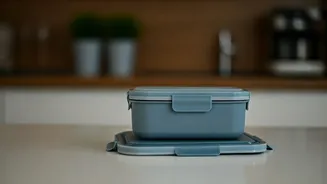
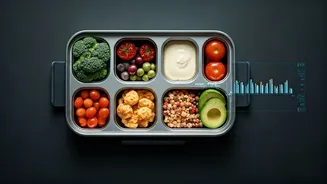
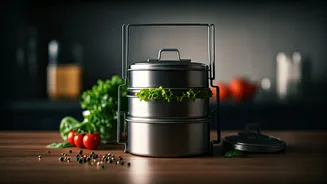
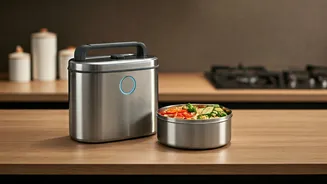
The classic stack of steel containers is a marvel of efficiency, but modern life demands more. Today’s lunchboxes are inspired by the Japanese bento concept, offering multiple compartments in one container. This design is perfect for a balanced Indian
meal—dal, sabzi, roti, and salad—without the risk of everything mixing. Brands now offer high-quality, food-grade stainless steel boxes that are leak-proof and more compact. For those who miss hot meals, electric lunchboxes are a game-changer. Models from companies like Milton, Borosil, and Veigo can gently heat your food at your desk in about 20-30 minutes, ensuring a fresh-tasting meal without a microwave. These electric tiffins often feature multiple steel containers within a heating case, preserving the compartmentalized nature of a traditional meal.
Upgrade 2: A Nutritional Makeover
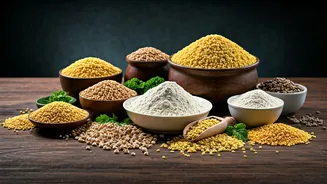
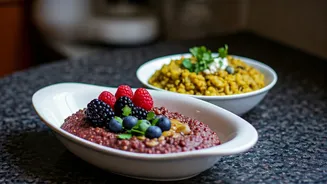
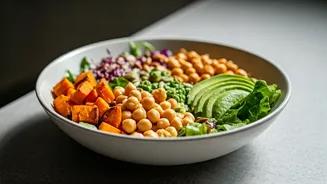
The traditional lunchbox often leans heavily on carbs and rich gravies. A 2026 upgrade is about balance. Nutrition experts suggest incorporating a wider variety of food groups. Think beyond just roti and sabzi. Add a protein-packed element like a small portion of paneer bhurji, boiled chickpeas, or a grilled chicken salad. Introducing a portion of fresh salad with a light dressing or some sliced fruits provides essential vitamins and fibre. Even simple swaps make a difference, like using quinoa or brown rice instead of white rice for a lower glycemic index and sustained energy release. The goal isn't to eliminate comfort food but to supplement it with nutrient-dense additions that prevent the dreaded post-lunch slump.
Upgrade 3: The Art of Indian Meal Prep
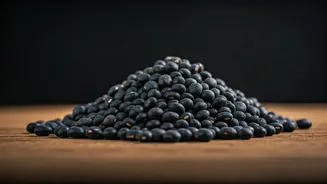
The biggest hurdle to a great lunch is often the morning rush. This is where meal prepping, adapted for the Indian kitchen, becomes your superpower. Spending a few hours over the weekend can set you up for success. You can prepare base gravies like a bhuna masala, which can be frozen and used for quick curries. Boiling lentils, chickpeas, or kidney beans in advance saves significant cooking time during the week. Pre-chopping vegetables and storing them in airtight containers is another simple but effective strategy. You can even prepare and freeze parathas or knead dough for the next few days. This system allows you to assemble a fresh, home-cooked meal in minutes each morning.
Upgrade 4: Embracing Sustainable Choices
As we become more environmentally conscious, our lunch habits should reflect that. The beauty of the traditional tiffin is its reusability. Modern upgrades can build on this legacy. When buying a new lunchbox, consider durable materials like high-grade stainless steel, glass, or even sustainable options like bamboo or wheat straw fibre. These materials are non-toxic, don't retain odours, and last for years, making them both a healthy and eco-friendly choice. Moving away from single-use plastics for packing chutneys or salads is crucial. Small, reusable stainless steel or silicone containers are perfect replacements, reducing daily waste and contributing to a greener planet.