


From Locker Treasure to Liquid Asset
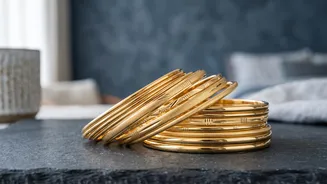
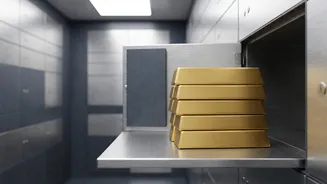
For generations, gold in Indian households was a sacred saving, locked away for major life events. Today, that sentiment is evolving. Consumers are increasingly viewing their old, unused, or inherited jewellery not just as stored wealth, but as a liquid
asset. This has given rise to a powerful trend where old gold is brought back to the counter to be exchanged for new, fashionable pieces. Industry reports show a massive surge in this behaviour, with some major jewellery chains reporting that exchange-led purchases now account for nearly half of their sales. This shift from passive hoarding to active upgrading is fundamentally altering the dynamics of the jewellery market.
The Twin Drivers: High Prices and New Tastes
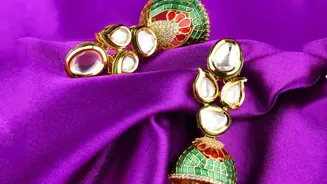
Two primary forces are accelerating this trend. First, record-high gold prices have made buying new jewellery with fresh cash a costly affair. Exchanging old gold allows consumers to offset the high cost, making new purchases more accessible. Instead of paying the full price, they only need to cover the difference, making charges, and taxes. Second, there's a significant change in aesthetic preferences, especially among millennial and Gen Z buyers. The demand is for lightweight, wearable, and minimalist designs that fit a modern lifestyle, rather than heavy, traditional sets destined for a locker. Outdated designs are being traded in for more contemporary pieces, reflecting a desire for jewellery to be an expression of personal style rather than just a traditional investment.
How Jewelers Are Fuelling the Cycle
Organised jewellery retailers have been quick to recognize and capitalize on this trend. Brands like Tanishq, Kalyan Jewellers, Malabar Gold & Diamonds, and Joyalukkas are actively promoting old gold exchange schemes with transparent policies and attractive offers. These programs provide a steady supply of raw material, reducing their dependence on expensive gold imports, which also aligns with government calls to recycle domestic gold. By using advanced XRF machines for purity testing in front of the customer, they build trust and make the process seamless. These exchange schemes create a cycle of customer retention, encouraging more frequent store visits for upgrades rather than just one-off purchases.
A New Definition of Value Emerges
The trend signifies more than just a smart financial move; it points to a new, pragmatic definition of value. While the emotional connection to gold remains, it is now balanced with practicality and personal choice. Consumers are becoming more strategic, treating their jewellery collection as a renewable asset that can be updated to match their current needs and tastes. This behaviour also extends to wedding purchases, where families are exchanging older pieces to acquire modern bridal sets. The focus is shifting from the sheer weight of the gold to the design, wearability, and personal story behind a piece. Some consumers are even opting to sell old gold for cash to meet other financial needs, highlighting its role as a multipurpose financial tool.