





The Golden Rules of Sweet Storage
Before diving into specific sweets, a few universal principles apply. First, always let freshly made or purchased sweets cool down completely before storing them. Trapped heat creates condensation, which is the enemy of freshness. Second, your best friend
is an airtight container. Whether glass or high-quality steel, a tight seal prevents air exposure, which causes sweets to dry out and lose flavour. Finally, never store sweets in the cardboard boxes they came in; these boxes can absorb moisture and impart a papery smell. Transfer them to a proper container as soon as you get home.
For Milk-Based Delights (Mawa, Peda, Kalakand)
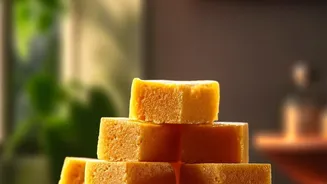
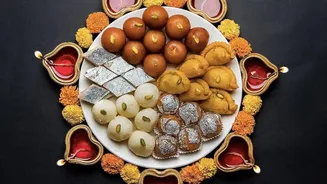
Sweets made with milk, mawa (khoya), or paneer are the most perishable and require immediate attention. These include popular treats like mawa barfi, pedas, and kalakand. Their high moisture content makes them prone to spoiling quickly. The rule here is simple: refrigerate. Stored in an airtight container, these sweets will typically last for two to four days. Some sources suggest they can be consumed for up to a week, but it's always best to consume them as soon as possible for the best taste and texture. If you notice a sour taste or smell, discard them immediately.
The Special Case of Modak
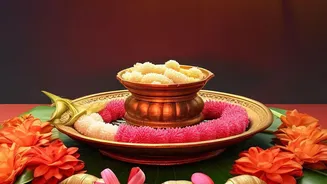
As Ganpati's favourite sweet, modaks deserve special care. The storage method depends on the type. The classic steamed version, Ukadiche Modak, is best eaten fresh. If you have leftovers, they can be kept in an airtight container in the refrigerator for one to two days. To revive them, simply re-steam them for a few minutes until soft. Fried modaks or those made with a dry fruit filling have a longer shelf life and can be stored at room temperature for several days. For an even longer-term solution, uncooked, shaped ukadiche modak can be frozen and steamed directly before serving.
For Ghee and Flour-Based Sweets (Ladoo, Barfi)
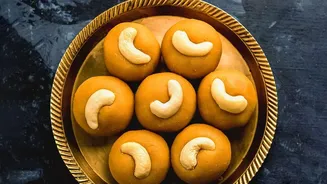
Sweets with a base of ghee, gram flour (besan), or nuts have a lower moisture content, which gives them a longer shelf life. Treats like Besan Ladoo, Motichoor Ladoo, and Kaju Katli can generally be stored at room temperature in a cool, dry place for about a week. An airtight container is still crucial to maintain their texture and prevent them from becoming stale. While refrigeration can extend their life further—up to two or three weeks for some like Kaju Katli—it can sometimes make them hard. If you do refrigerate them, let them sit at room temperature for about 15 minutes before serving to soften.
How to Tell if a Sweet Has Gone Bad
Food safety is paramount during festivals. Beyond the recommended storage times, trust your senses. A sour or off smell is a clear sign that a milk-based sweet has spoiled. For dry sweets, look for changes in texture; if they become overly sticky, hard, or show any signs of mould, it's time to throw them away. Unusually bright or artificial colours can sometimes signal the use of chemical additives, so it's always wise to buy from trusted vendors who prepare fresh batches. When in doubt, it is always better to be safe and discard any sweet that seems suspicious.