





Sarson ka Saag & Makki di Roti
This iconic duo from Punjab is the undisputed king of winter meals. Sarson ka Saag is a hearty, flavourful curry made by slow-cooking mustard greens (sarson), often blended with spinach (palak) and bathua, until they become a creamy, homogenous delight.
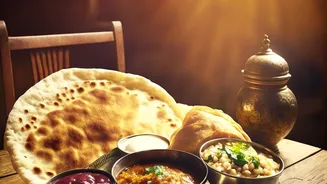
The inherent sharpness of mustard leaves is mellowed by hours of simmering and a generous tadka of ghee, garlic, ginger, and onions. Paired with Makki di Roti, a rustic flatbread made from maize flour, it's a match made in culinary heaven. The slightly sweet, coarse texture of the roti perfectly complements the rich, earthy saag. Served with a dollop of white butter and a piece of jaggery, it's a meal that warms you from the inside out.
Undhiyu
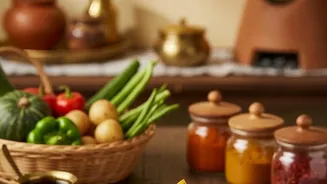
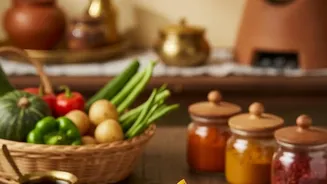
Hailing from Gujarat, Undhiyu is a one-pot dish that is a true celebration of winter's bounty. Its name comes from the Gujarati word 'undhu', meaning 'upside down', which refers to the traditional method of cooking the dish underground in an inverted clay pot. This complex, slow-cooked curry features a medley of winter vegetables like surti papdi (hyacinth beans), purple yam, sweet potatoes, baby potatoes, and raw bananas. The vegetables are stuffed with a masala of coconut, peanuts, and spices, and layered in a pot with methi muthia (fried fenugreek leaf dumplings) that add a unique bitter-spicy note. It’s a festive dish, especially popular during the Uttarayan kite festival, offering a beautiful mix of sweet, spicy, and tangy flavours.
Gajar ka Halwa
No Indian winter is complete without the aroma of Gajar ka Halwa wafting through the kitchen. This beloved dessert is made with a special variety of red carrots that are available only during the winter months, which are sweeter and juicier than their counterparts. The carrots are grated and then slow-cooked in milk until they soften and absorb all the creamy goodness. Ghee, sugar, and cardamom are added to create a rich, fragrant, and decadent sweet. Garnished with a generous helping of nuts like almonds, pistachios, and cashews, this warm dessert is the perfect sweet ending to a winter meal.
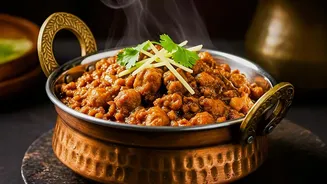
Nihari
A legendary slow-cooked stew with Mughal origins, Nihari is a quintessential winter breakfast in many parts of the Indian subcontinent, particularly Old Delhi. The name 'Nihari' comes from the Arabic word 'Nahar', meaning 'morning', as it was traditionally eaten at dawn to provide energy for the day. It consists of meat, usually beef or lamb shank, simmered for hours (often overnight) with a host of aromatic spices until it becomes unbelievably tender. The stew is thickened with a little whole wheat flour and served with a garnish of julienned ginger, green chillies, and a squeeze of lime. Its rich, flavourful broth and melt-in-the-mouth meat make it a deeply satisfying and warming dish.
Panjiri and Gond ke Laddu
These are not just sweets; they are winter-time energy boosters rooted in Ayurvedic wisdom. Panjiri is a crumbly mixture from Punjab made with whole wheat flour roasted in ghee, and loaded with nuts, edible gum (gond), and seeds. Similarly, Gond ke Laddu are nutritious sweet balls made with edible gum, ghee, wheat flour, jaggery, and an assortment of nuts and spices like dry ginger. Both are known for their 'warming' properties, believed to generate heat in the body, lubricate joints, and boost immunity against winter colds. Traditionally given to new mothers for recovery, a spoonful of Panjiri or a single Laddu is the perfect healthy indulgence to fight off winter chills.
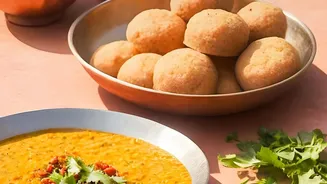
Litti Chokha
This rustic and hearty dish from Bihar is a complete meal in itself, perfect for a cold day. The 'Litti' are dough balls made from whole wheat flour, stuffed with a spicy mixture of sattu (roasted gram flour), herbs, and pickles. Traditionally, they are roasted over a charcoal fire, which gives them a distinctive smoky flavour. The 'Chokha' is a spicy and flavourful mash of roasted vegetables, typically brinjal (eggplant), potatoes, and tomatoes, mixed with chopped onions, garlic, and green chillies. To serve, the litti is broken and dipped generously in ghee before being eaten with the chokha, creating a comforting and wholesome experience.
Nolen Gurer Payesh
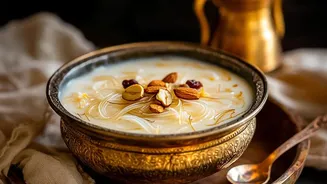
Winter in Bengal is synonymous with the arrival of Nolen Gur, or fresh date palm jaggery. This seasonal liquid jaggery has a unique smoky aroma and a rich, caramel-like flavour that is unlike any other sweetener. One of the most cherished delicacies made with it is Nolen Gurer Payesh, a creamy rice pudding. Slow-cooked rice and milk form the base, but it's the addition of Nolen Gur towards the end of the cooking process that transforms the dish. The jaggery imparts its signature flavour and a beautiful light brown hue to the kheer. Served warm, this dessert is a simple yet profoundly delicious embodiment of seasonal Bengali cooking.