




The Fern’s Dilemma: A Thirst for Humidity
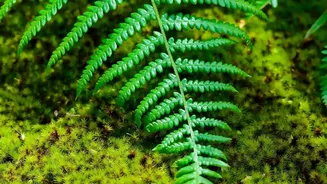
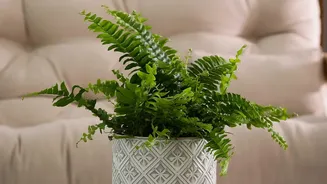
Most ferns are native to shaded forest floors and tropical jungles, where the air is consistently moist. They thrive in high humidity, a condition rarely found in centrally heated or air-conditioned homes. This discrepancy is the root cause of many fern-related
woes. When the air is too dry, moisture is pulled from the fern's delicate fronds faster than its roots can absorb water, leading to the dreaded crispy, brown edges that plague so many indoor gardeners. While ferns absorb water and nutrients through their root system, recreating a humid microclimate around their foliage is key to mimicking their natural habitat and ensuring they flourish.
Why Heavy Droplets Do More Harm Than Good
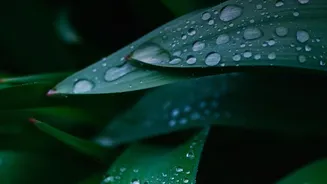
In an attempt to provide moisture, many plant owners drench their fern’s foliage. However, using a standard spray bottle that produces large, heavy droplets can be counterproductive. These droplets are too large to be absorbed effectively and often just sit on the leaves. This can lead to several problems. Firstly, it can leave behind unsightly mineral deposits, or white spots, especially if you're using hard tap water. More seriously, waterlogged foliage that doesn't dry quickly creates an ideal environment for fungal diseases and root rot, which can be fatal to the plant. Instead of helping, a coarse spray often wastes water and puts the plant's health at risk.
The Magic of a Fine, Atomised Mist
This is where the technique of fine misting comes in. Using a mister that produces a continuous, cloud-like spray fundamentally changes how the plant interacts with the water. An ultra-fine mist coats the fronds evenly with microscopic droplets that don't weigh the foliage down or create large, wet patches. This method has two primary benefits. It provides a gentle, even coating of moisture that the plant can benefit from, and more importantly, it temporarily raises the ambient humidity in the immediate vicinity of the plant. This 'humidity bubble' slows down the rate of transpiration—the process of water evaporating from the leaves—giving your fern a much-needed break from dry air.
Choosing Your Misting Tool
Not all sprayers are created equal. While any basic spray bottle is better than nothing, investing in a tool designed for fine misting can make a significant difference. Look for 'continuous spray' or 'atomiser' spray bottles. These often use a pressurised system or a specialised nozzle to produce a sustained, airy mist with just a few pumps or a single long squeeze. This not only provides the ideal droplet size for your ferns but also makes the task easier and more enjoyable, especially if you have several plants. While some decorative brass or glass misters are aesthetically pleasing, their primary function should be to produce a fine, gentle spray.
Best Practices for Effective Misting
To get the most out of misting, timing and consistency are key. The best time to mist your ferns is in the morning. This gives the foliage ample time to dry throughout the day, minimising the risk of fungal issues that can develop in cool, damp, overnight conditions. Aim to mist two or three times a week, though you may need to do it more often in very dry environments. For the best results, use distilled, filtered, or rainwater to avoid mineral buildup on the leaves. When you spray, target the undersides of the fronds as well to ensure complete coverage and better mimic a truly humid environment.
Misting Is Not a Substitute for Watering
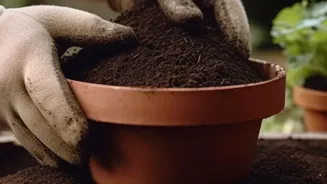
It’s crucial to remember that misting is for humidity, not hydration. A fern's primary water source is its roots. Continue to water your fern at the soil level, aiming to keep the soil consistently moist but never soggy. A good rule of thumb is to water when the top inch of soil feels dry to the touch. When you do water, do so thoroughly until it runs out of the drainage holes, then empty any excess from the saucer to prevent the plant from sitting in water, which leads to root rot. Misting complements proper watering by addressing the plant's atmospheric needs, creating a holistic care routine that keeps your fern healthy from root to tip.