





Know Your Rights: The DGCA Passenger Charter
The foundation of your rights as an air traveller in India is the Passenger Charter, enforced by the Directorate General of Civil Aviation (DGCA). These rules, specifically the Civil Aviation Requirements (CAR) Section 3, Series M, Part IV, legally require
all airlines operating in the country to provide assistance and, in some cases, compensation for delays, cancellations, and denied boarding. These are not goodwill gestures; they are mandated protections. Understanding these rules can transform a frustrating wait into a situation where you are cared for and compensated as required by law.
Immediate Support: What to Expect in the First Few Hours
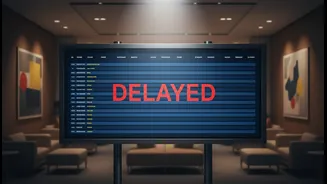
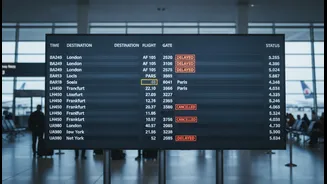
The moment your flight is officially delayed, the clock starts ticking on the airline's obligations. For a delay of two hours or more, you are entitled to free meals and refreshments at the airport. The exact timing depends on the flight's scheduled duration: a delay of two hours for shorter flights, three hours for mid-range flights, and four hours for longer ones will trigger this provision. If you've already checked in, the airline must provide this assistance. Do not hesitate to politely approach the airline staff and request the vouchers or arrangements for your meals.
Long Delays: When Accommodation and Refunds Kick In
If a delay stretches significantly, your entitlements increase. When a domestic flight is delayed by more than six hours, the airline must give you the choice of an alternative flight or a full refund of your ticket. If a delay extends overnight, the airline is generally required to provide you with free hotel accommodation, including transportation to and from the airport. This duty of care is a crucial right for passengers who would otherwise be left stranded. It's important to note that Indian regulations for delays focus on care and services rather than direct cash payments.
The 'Force Majeure' Exception
Airlines are exempt from paying financial compensation when a delay or cancellation is caused by "extraordinary circumstances" beyond their control. This is known as 'force majeure' and includes events like extreme weather, political instability, air traffic control restrictions, and security threats. However, this exception has its limits. While the airline doesn't have to pay cash compensation in these situations, they are still obligated to provide care, such as meals and hotel accommodation for very long delays. They must also offer you a full refund or an alternative flight.
When You Are Owed Financial Compensation
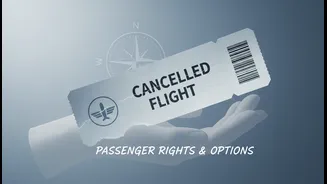
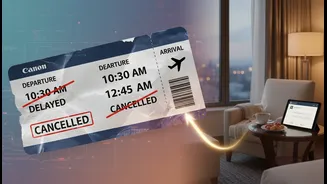
While delays primarily entitle you to care, financial compensation is mandated in other disruptive situations. If you are denied boarding on a flight that you have a confirmed ticket for (usually due to overbooking), you are entitled to significant compensation. This can be up to 400% of your one-way base fare plus fuel charges, with a cap of ₹20,000, depending on how long you have to wait for an alternate flight. Furthermore, if your flight is cancelled without at least two weeks' notice, you may be eligible for compensation ranging from ₹5,000 to ₹10,000, in addition to a full refund or an alternate flight.
How to Escalate an Unresolved Issue
What if an airline doesn't provide the support you are entitled to? The first step is always to speak with the airline's ground staff or customer service. If your requests are not met, don't give up. You can file a formal grievance through AirSewa, the government of India's official platform for air travel grievances. Available as a website and a mobile app, AirSewa allows you to log your complaint, track its status, and ensure it reaches the concerned airline and is monitored by the DGCA. This is a powerful tool to hold airlines accountable to their legal obligations.