








The Tragic Stand Behind the Solemnity
At the heart of Muharram is the story of the Battle of Karbala, which took place in 680 CE (or 61 AH in the Islamic calendar). It commemorates the martyrdom of Imam Hussain ibn Ali, the grandson of the Prophet Muhammad, along with his family and a small
band of supporters. They took a stand against the rule of the Umayyad Caliph Yazid, who is depicted in historical accounts as a tyrant. Imam Hussain refused to pledge allegiance to what he saw as an unjust and corrupt regime, choosing instead to sacrifice his life for the principles of justice and integrity. This event is not seen as a historical defeat, but as a symbolic victory of truth against falsehood and a defining moment that solidified the identity of Shia Islam.
A Period of Mourning, Not Celebration
Unlike festivals marked by joyous celebrations, Muharram is a period of intense mourning and reflection, especially for Shia Muslims. The first ten days are the most significant, culminating in the Day of Ashura, the tenth day, when Imam Hussain was martyred. During this time, many observers wear black as a symbol of grief, attend 'majlis' or gatherings where the tragic events of Karbala are recounted, and abstain from celebratory events like weddings. The atmosphere is one of sorrow and remembrance, intended to connect the faithful with the suffering and sacrifice of Imam Hussain and his companions, who were deprived of water and ultimately killed. The purpose is to reflect on the values he died for and to draw spiritual lessons from his stand.
India’s Unique Processions of Remembrance
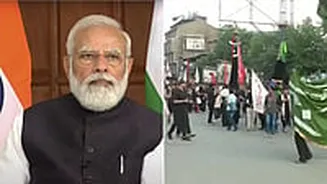
In India, Muharram observances have a unique cultural flavour. On Ashura, cities and towns witness large, solemn processions that are a powerful public expression of grief. A key feature of these processions in South Asia is the 'Taziya'—intricate, colourful replicas of Imam Hussain's mausoleum in Karbala. These are carried through the streets, accompanied by mourners chanting elegies and beating their chests as a sign of lamentation. In cities like Lucknow and Hyderabad, the tradition of Taziyadari is centuries old and known for its elaborate artistry. Beyond the Shia community, people from various faiths often participate in or observe these processions, viewing it as an expression of solidarity against injustice.
Devotion Through Fasting and Charity
While mourning is central for the Shia community, Sunni Muslims also hold Ashura as a significant day, but for different reasons. They observe it with voluntary fasting, a practice rooted in the belief that the day commemorates when the Prophet Moses (Musa) and his people were saved from the Pharaoh. For them, it is a day of gratitude and prayer. Across communities, Muharram is also a time for good deeds. Many set up 'sabeels'—stalls providing free water and sherbet to the public—symbolising the thirst endured by Imam Hussain and his family in Karbala. These acts of charity and worship are seen as a way to honour the spirit of sacrifice and compassion that defines the observance.
A Universal Message of Conscience
More than 1,400 years later, the story of Karbala endures because its message transcends time and religion. It is remembered as an eternal lesson on the importance of standing for one's convictions, even in the face of overwhelming odds. The sacrifice of Imam Hussain is seen as a stand for human dignity against tyranny, a principle that resonates universally. It’s a narrative that has inspired thinkers beyond Islam; Mahatma Gandhi famously said, "I learned from Hussain how to be oppressed yet victorious." This period reminds observers that the fight for justice and moral integrity is a timeless responsibility, calling not just for remembrance, but for reflection on one's own actions in the face of injustice today.