



The Global Palette Endures
The love for international food in India isn't fading. From Italian pasta and wood-fired pizzas to the more recent explosion of Japanese and Korean cuisines, the Indian diner has an adventurous and global palate. The surge in popularity of K-dramas and pop culture
has directly translated into a craving for dishes like bibimbap, Korean fried chicken, and ramen, especially among younger generations. This demand is met by a bustling scene of restaurants offering everything from authentic sushi to Middle Eastern shawarma, a trend that is expanding beyond metros into Tier-2 and Tier-3 cities. These global formats have become a staple, a go-to choice for celebrations, casual dinners, and home delivery.
A Homecoming for Flavour
While the global food scene thrives, a powerful counter-current is gaining momentum: the celebration of hyper-regional Indian cuisine. For decades, restaurant menus were dominated by a handful of popular pan-Indian dishes. Now, chefs and restaurateurs are proudly championing the distinct flavours of individual states and communities. Restaurants are moving beyond the classics to showcase the unique culinary traditions of regions once overlooked in the mainstream dining scene. This includes the robust, earthy flavours of Bihar, the subtle complexities of Assamese food, and the coastal delicacies of Odisha and Kerala. It marks a significant shift from broad-stroke Indian food to a more nuanced, specific, and authentic experience.
From Home Kitchens to High Streets
This culinary renaissance is driven by a new generation of passionate chefs and entrepreneurs, many of whom are turning their own heritage into celebrated restaurant concepts. In Delhi, The Potbelly was a pioneer, facing initial skepticism before proving that Bihari cuisine, with its rich diversity beyond Litti Chokha, could command a premium dining experience. Similarly, ventures like O'Tenga in Mumbai and Project Otenga in Delhi are introducing diners to the authentic, subtle flavours of Assam, sourcing ingredients directly from the region to ensure authenticity. These establishments are more than just restaurants; they are cultural projects, re-educating palates and correcting the misconception that regional food is somehow less refined than its global counterparts.
More Than Just a Meal
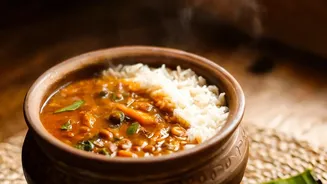
The rise of regional food is about more than just taste; it's about identity and storytelling. Chefs are diving deep into their culinary roots, reviving forgotten recipes, and spotlighting indigenous ingredients like foraged greens from the Himalayas or unique local cheeses. This movement challenges the long-held notion that only Western or heavily standardized Indian dishes qualify for a fine-dining experience. By presenting heritage recipes with contemporary flair, chefs are proving that the food cooked in Indian homes for generations has a place in the most ambitious and celebrated kitchens. It’s a moment of cultural pride, where a comforting bowl of dal or a complex fish curry is presented with the same reverence as a plate of pasta.
A Shared and Celebrated Table
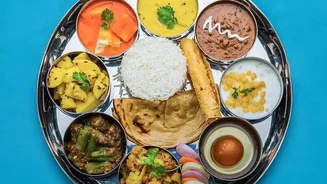
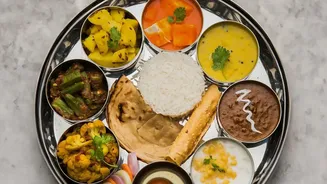
The modern Indian diner is no longer choosing between Indian and international. Instead, they are enjoying the best of both worlds. The same person who seeks out authentic ramen one night might explore the nuances of a Himalayan tasting menu the next. This isn't a battle for supremacy but an expansion of choice. The trend signifies a maturing of the Indian food landscape, where 'authentic' is the new watchword, whether it applies to a Neapolitan pizza or a traditional Assamese thali. As diners become more curious and knowledgeable, they are fueling a demand for food that is honest, rooted in its origins, and tells a compelling story.