


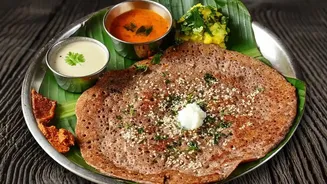
The New Definition of 'Healthy'
For generations, a healthy Indian diet was implicitly understood, built around whole grains, lentils, fresh vegetables, and spices. Today, that understanding is becoming more explicit and demanding. A growing consciousness around health and well-being,
accelerated by the pandemic, has turned Indian consumers into discerning label-readers. People are actively seeking out products that do more than just fill the stomach; they want foods that contribute to immunity, gut health, and overall fitness. This has fueled a surge in demand for organic produce, foods with no preservatives, and products fortified with vitamins and minerals. The shift is from passive consumption to purposeful eating, where every item in the cart is evaluated for its contribution to a healthier lifestyle.
Convenience Without Compromise
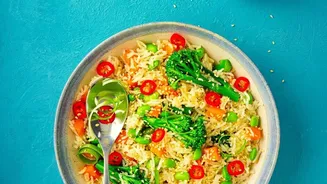
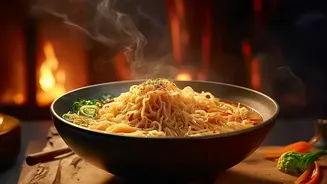
Rapid urbanization and a rise in dual-income households mean that time is a luxury many can't afford. This has supercharged the market for ready-to-eat (RTE) and ready-to-cook meals. The Indian RTE market is expanding at a remarkable pace, driven by consumers who want quick meal solutions without sacrificing taste or health. Brands are responding with a diverse array of options, from frozen and shelf-stable regional meals to chilled salads and wraps. Crucially, this isn't about just accepting bland convenience. The new expectation is for protein-rich, preservative-free options that offer both convenience and nutritional value, proving that fast food can also be good food.
Tradition Reimagined
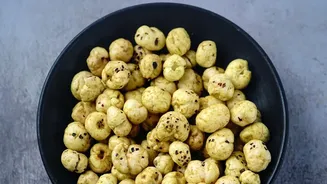
The evolution of the Indian palate doesn't mean a departure from tradition. Instead, familiar favourites are being reinvented for the modern consumer. The Indian snacks market, which is projected to grow significantly, is a prime example of this trend. While classic namkeens and chips remain popular, there is a booming category of 'better-for-you' traditional snacks. Think baked samosas, millet-based murukku, roasted makhana, and vegetable chips. These products retain the nostalgic flavours Indians love but are prepared using healthier methods and ingredients. This fusion of old and new allows consumers to indulge without the guilt, stocking their pantries with both classic comfort snacks and their healthier counterparts.
The Rise of Functional Foods
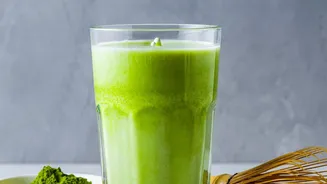
Perhaps the most significant shift is the mainstream adoption of 'functional foods'—products that offer specific health benefits beyond basic nutrition. This category, which includes everything from probiotic yogurts and fermented drinks to foods enriched with proteins and omega-3 fatty acids, is growing robustly in India. This trend is deeply connected to India's own heritage of using food as medicine. Ingredients like turmeric, ashwagandha, millets, and moringa, long valued in Ayurveda, are now being celebrated as 'superfoods' and incorporated into everyday products. Consumers are increasingly looking for foods that support specific goals like digestive health, immunity, or energy, making the grocery aisle look more like a wellness aisle.
The Digital Kirana
Fueling all these changes is the digital transformation of grocery shopping itself. The rise of e-commerce, quick-commerce platforms, and direct-to-consumer (D2C) brands has fundamentally altered how Indians discover and buy food. Digital platforms have given a massive stage to new-age brands offering niche and healthy products that might never have found space on a traditional retail shelf. This online ecosystem allows for greater product transparency, consumer education, and personalized experiences, accelerating the adoption of new food habits. For many urban Indians, the weekly grocery run has been replaced by a few taps on a smartphone, bringing a world of evolving food choices directly to their doorstep.