





The Global Move to Digital Borders
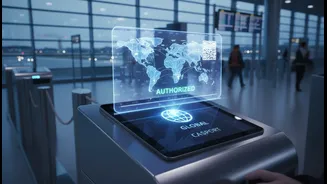
Countries around the world are upgrading their border security and immigration processes, moving away from physical visa stickers and ink stamps. For travellers, this means a future of streamlined, automated checks. The primary goals are to enhance security,
prevent identity fraud, and create a more efficient system for managing the flow of visitors. For Indian tourists, this transition requires a new level of preparation and an understanding of the different digital systems being implemented by popular destinations, most notably in Europe and the United Kingdom.
Europe's New Rules: EES and Digital Visas
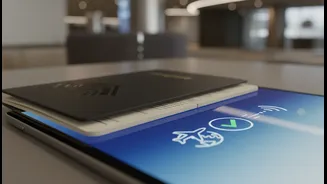
The Schengen Area, which covers 29 European countries, is undergoing a significant overhaul. The first major change is the Entry/Exit System (EES), which became fully operational in 2026. This system replaces manual passport stamping with a digital record. Upon first entry, the system will capture a traveller's facial image and fingerprints. This data is stored for three years, making subsequent border crossings faster. The EES automatically calculates a traveller's permitted stay under the 90/180-day rule, flagging any overstays instantly.Following this, the EU is phasing in a fully digital Schengen visa process, expected to be live in 2026 and fully rolled out by 2028. Instead of applying through individual country websites, applicants will use a single online EU portal to upload documents. Upon approval, you will receive a digital barcode linked to your passport, not a physical sticker. It is important to note that Indian citizens will still need a Schengen visa; these systems change the application and border crossing process, not the requirement itself.
Understanding the UK's ETA System
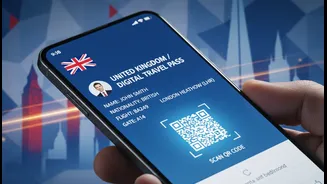
There has been significant confusion regarding the UK's Electronic Travel Authorisation (ETA) system. It is crucial for Indian passport holders to understand that the ETA does not apply to them. The ETA is a requirement only for nationals of countries that were already visa-exempt for short visits to the UK, such as the USA, Canada, and EU member states. Indian citizens must still apply for a full UK Standard Visitor Visa through the traditional process, which includes submitting biometric data at a visa application centre. While the UK is also moving towards a more digital border, with eVisas replacing physical documents for those who require them, the fundamental need for Indian tourists to secure a visa before travel remains unchanged.
What About ETIAS?
You may have also heard about the European Travel Information and Authorisation System (ETIAS). Similar to the UK's ETA, this system is for travellers from visa-exempt countries and is scheduled to launch in late 2026. It is not a visa. Since Indian passport holders are not on the Schengen visa-exempt list, they do not need to apply for ETIAS for general tourism. The requirement to obtain a Schengen visa remains the primary rule for travel to the Schengen Zone. The ETIAS system is part of the broader digitisation of Europe's borders but does not replace the visa process for Indians.
How Indian Travellers Can Prepare
Navigating this new digital landscape requires being proactive. First and foremost, always check the official government immigration websites for the country you plan to visit for the most accurate and up-to-date requirements. Be wary of unofficial websites that claim to offer visa or authorisation services. When travelling to the Schengen Area, be prepared for your first entry under the EES to take slightly longer as your biometric data will be registered. For future trips, the process should be quicker. Keep digital copies of your visa, passport, and other travel documents accessible on your phone. Finally, apply for any required visas well in advance of your planned travel dates, as processing times can vary.