





Ditch Cotton, Embrace Synthetics
This is the golden rule of monsoon travel. While cotton is breathable in dry heat, it becomes a traveller's nightmare in the rain. It absorbs moisture, takes forever to dry, and feels heavy and damp against your skin. Instead, build your travel wardrobe
around quick-drying synthetic fabrics like polyester, nylon, and rayon. These materials wick moisture away from your body and will dry in a few hours in a hotel room, even in high humidity. Think quick-dry T-shirts, synthetic-blend trousers, and lightweight shirts. This single switch will dramatically reduce your luggage weight and keep you far more comfortable.
Master Your Footwear Game
Wet feet are not just uncomfortable; they can lead to skin issues. Leave your favourite leather shoes, canvas sneakers, and suede boots at home—they will be ruined. The best footwear for the monsoon is a pair of sturdy, rubber-soled sandals or floaters with good grip. They let your feet breathe, dry instantly, and can be easily washed after a walk through muddy streets. Crocs or similar EVA-based footwear are also excellent choices. For treks or more active days, a pair of waterproof hiking shoes with Gore-Tex lining is a worthy investment, but for general city and leisure travel, open, water-friendly footwear is king.
Create a Fortress for Your Gadgets
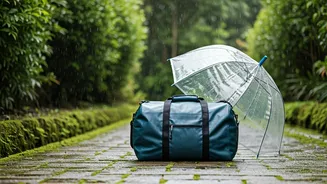
Water is the enemy of electronics. Your smartphone, camera, power bank, and laptop need a multi-layered defence. Start with the basics: invest in a few high-quality zip-lock bags for your phone and chargers. For more robust protection, consider a dedicated waterproof phone pouch you can wear around your neck. A 'dry bag', popular with kayakers, is an excellent investment. You can put all your electronics inside this roll-top bag and then place it in your main backpack for near-guaranteed protection even in a torrential downpour. As a bonus tip, throw a few silica gel packets (the kind you find in new shoe boxes) into your electronics bag to absorb any ambient moisture.
Pack a Compact Health and Wellness Kit
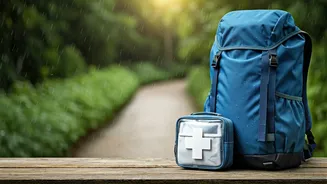
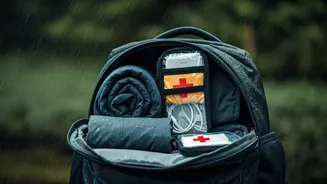
The monsoon season can bring an increase in water-borne diseases and mosquitos. Your medical kit needs a few seasonal adjustments. The most important addition is a strong insect repellent containing DEET to protect against mosquito bites. Also include antiseptic wipes, band-aids for small cuts (which can get infected easily in the damp), a general pain reliever, and any personal medications. It’s also wise to carry a hand sanitiser and perhaps some water purification tablets as a backup, just in case you find yourself in a situation where you can't access bottled water.
The One Jacket Rule
You don't need multiple heavy jackets. A single, high-quality, lightweight, and waterproof jacket or poncho is your best friend. Look for one that is breathable, so you don’t feel like you’re wearing a plastic bag in the humidity. A good rain jacket can double as a windbreaker on cooler evenings and can be easily rolled up and stuffed into a small daypack. Forget the bulky umbrella; it’s clumsy to carry, ineffective in wind, and a nuisance in crowded places. A hooded jacket keeps your hands free and provides far better protection.
Adopt a Digital-First Mindset
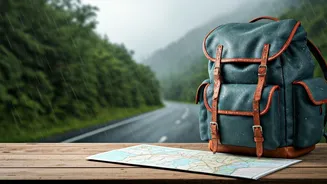
Paper gets soggy and ruined. Before you leave, digitise your essential documents. Take clear photos of your passport, visa, flight tickets, and hotel confirmations, and save them to a cloud service like Google Drive or Dropbox. This ensures you can access them from any device even if your phone is lost or your printouts are destroyed. Similarly, instead of carrying bulky guidebooks, download offline maps and digital versions of guides. This not only protects your information from the elements but also significantly lightens your load.