




Gridlock on the Ground
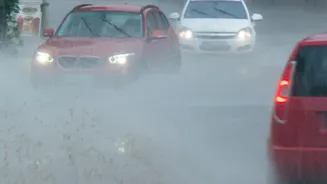
Heavy rainfall is a primary cause of chaos on urban roads. One of the most significant issues is waterlogging, which occurs when drainage systems are overwhelmed by excessive rain. Impermeable surfaces like concrete and asphalt prevent water from being
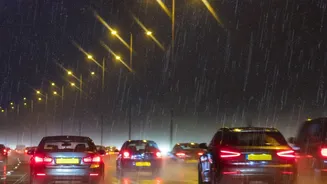
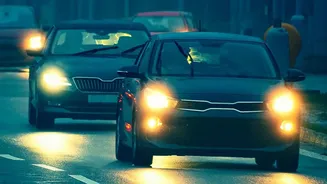
absorbed, leading to flash floods on streets and in low-lying areas. Even a few inches of water can stall vehicles, damage engines, and lead to massive traffic jams. Studies show that both rainfall intensity and water depth lead to decreased vehicle speeds and road capacity. Slippery roads and reduced visibility significantly increase the risk of accidents. Drivers are advised to slow down, increase following distance, and avoid using cruise control in wet conditions to reduce the chances of hydroplaning, a dangerous situation where tires lose contact with the road.
Public Transport Under Pressure
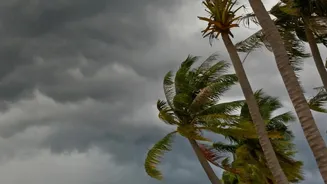
Public transportation, the backbone of many cities, is also highly vulnerable. Heavy rain can flood subway stations and waterlog tracks, leading to service suspensions and closures. Buses face similar challenges to cars, including impassable flooded roads and severe traffic congestion, which cause significant delays and route diversions. Strong winds add another layer of complexity. High-profile vehicles like buses can be difficult to control in strong crosswinds, posing a safety risk. For rail services, overhead power lines can be damaged by falling trees or high winds, while tracks themselves can be washed out by flooding, bringing entire networks to a halt. These disruptions often lead to a sharp reduction in ridership as commuters either stay home or seek other modes of transport.
Trouble in the Skies
Air travel is notoriously sensitive to weather. In fact, weather is the single largest cause of flight delays and cancellations. Heavy rain, strong winds, and low visibility can all make takeoffs and landings unsafe. Airports operating near their maximum capacity are particularly susceptible; even minor weather-related disruptions can cause a ripple effect, leading to hours-long delays and hundreds of cancellations across the country. For example, on one day impacted by storms, Chicago's O'Hare airport experienced over 1,400 delays. While airlines and airports have advanced systems to manage weather, severe and widespread storms can overwhelm these preparations, forcing ground stops and diversions that strand thousands of passengers.
The Hazards for Pedestrians and Cyclists
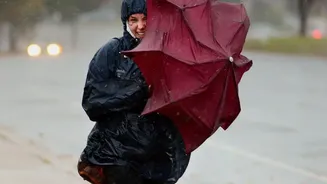
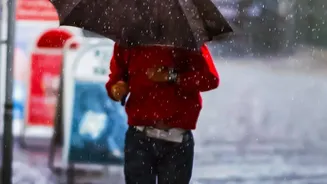
For those who travel by foot or by bike, strong winds and rain create a different set of dangers. Pedestrians must navigate flooded sidewalks, slippery surfaces, and splashes from passing vehicles. Strong wind gusts can make walking difficult and turn umbrellas into hazards. Cyclists face a heightened risk due to poor visibility for both themselves and drivers. Braking distances are longer on wet roads, and puddles can hide dangerous potholes. During severe weather, there is also the risk of falling debris, such as tree branches or parts of buildings, which poses a serious threat to anyone outdoors. It is often safest for pedestrians and cyclists to postpone their travel until conditions improve.