

Ghent, Belgium: Medieval Charm Without The Crowds
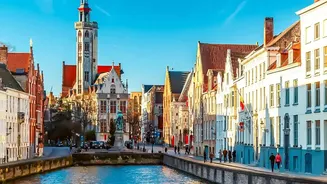
Often overshadowed by Brussels and Bruges, Ghent offers the same fairy-tale canals and medieval architecture but with a more relaxed, authentic vibe. The city boasts one of the largest low-traffic pedestrian zones in Europe, making its historic core a joy
to explore on foot. You can wander from the imposing Gravensteen (Castle of the Counts) to the iconic Graslei and Korenlei quays, where historic guild houses are reflected in the Lys River. The view from St. Michael's Bridge, capturing Ghent's three famous medieval towers in a single frame, is a highlight. Beyond the architecture, Ghent is a lively university town with a thriving street art scene and a deep-rooted culinary culture. It's a city where history feels alive, not like a museum, allowing for slow, curious strolls through its cobblestone lanes.
Ljubljana, Slovenia: Europe's Green Oasis
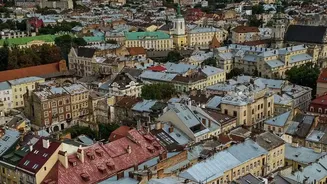
Slovenia's capital is a true hidden gem and a pioneer in sustainable urban living. Named a European Green Capital in 2016, Ljubljana's entire historic centre has been closed to motorised traffic since 2008, creating a vast and peaceful pedestrian zone. The emerald-green Ljubljanica River is the city's heart, its banks lined with cafés, markets, and architect Jože Plečnik's famous Triple Bridge. The compact city is incredibly easy to navigate on foot; you can walk from the bustling Central Market to the serene Tivoli Park without hassle. For the best views, a short walk or funicular ride takes you up to Ljubljana Castle, which offers a panoramic perspective of the red-roofed old town against a backdrop of the distant Alps. With its blend of green spaces and vibrant culture, Ljubljana feels like a city built on a human scale.
Bologna, Italy: The Culinary Capital You Can Walk
While tourists flock to Rome and Florence, those in the know head to Bologna, Italy's undisputed food capital. Nicknamed 'La Grassa' (the Fat One), the city is the birthplace of ragù and fresh egg pasta. What makes it truly special is its walkability, thanks to nearly 40 kilometres of historic porticoes (covered walkways). These UNESCO-listed arcades allow you to wander through the entire city centre sheltered from sun and rain, discovering bakeries, cafés, and markets along the way. The medieval market district, the Quadrilatero, is a bustling labyrinth of streets where you can sample world-class cheeses, cured meats, and fresh produce. Unlike more tourist-heavy Italian cities, Bologna feels intensely local and lived-in, rewarding visitors who take the time to explore its arcaded streets at a leisurely pace.
Lyon, France: A Gastronomic and Historic Powerhouse
While Paris gets the spotlight, Lyon is often called the true stomach of France. It is a city that seamlessly blends world-class gastronomy with a rich, walkable history. The Presqu'île, the peninsula between the Rhône and Saône rivers, is a hub of grand boulevards, shops, and restaurants, making it an ideal base for exploring on foot. From there, you can cross into Vieux Lyon (Old Lyon), one of Europe's largest Renaissance districts, and get lost in its colourful, narrow streets and famous 'traboules'—hidden passageways that connect buildings and courtyards. For a different vibe, the Croix-Rousse neighbourhood, once home to silk workers, offers a local, village-like feel with sweeping views over the city. The city's riverside paths provide a scenic escape, perfect for long, flat walks with beautiful views of the historic buildings.