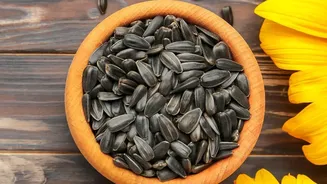



Tiny but mighty, sunflower seeds are a popular addition to breakfast bowls and smoothies. But what's the real story behind their nutritional punch, especially when it comes to vitamin E and fats? Let's unpack the benefits and how to enjoy them wisely.
The Vitamin E Powerhouse
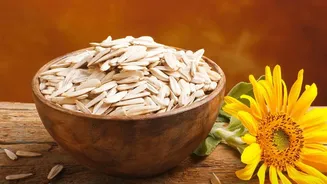
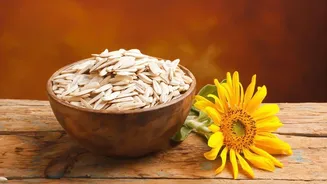
One of the standout features of sunflower seeds is their exceptional vitamin E content. In fact, they are one of the best whole-food sources of this vital nutrient. A single one-ounce (about 28 grams) serving of shelled sunflower seeds can provide a significant portion of your recommended daily intake. Vitamin E is a powerful antioxidant, which means it helps protect your body's cells from damage caused by free radicals, unstable molecules that contribute to aging and chronic diseases. This antioxidant activity is particularly beneficial for reducing inflammation and supporting overall immune health. For a breakfast food, this is a major win, helping you start your day with a protective boost against cellular stress.
A Deep Dive into the Fats
The word 'fat' can sometimes be alarming, but it's crucial to distinguish between different types. Sunflower seeds are rich in 'healthy' unsaturated fats, specifically polyunsaturated and monounsaturated fats. Nearly 90% of the fat in sunflower seeds is this beneficial unsaturated kind. These fats play a key role in heart health. Studies have shown that consuming seeds, including sunflower seeds, is linked to lower rates of cardiovascular disease, high cholesterol, and high blood pressure. The healthy fats in these seeds, particularly linoleic acid, can help relax blood vessels and lower 'bad' LDL cholesterol levels. However, it's also true that they are calorie-dense, so portion control is essential to reap the benefits without contributing to unwanted weight gain.
The Omega-6 to Omega-3 Balance
Here's where understanding gets a little more nuanced. Sunflower seeds are very high in omega-6 fatty acids, which are essential fats our bodies can't make. While omega-6s are beneficial, helping to lower LDL cholesterol, they need to be in proper balance with omega-3 fatty acids. The typical modern diet often contains far more omega-6s than omega-3s, with some estimates suggesting a ratio as high as 15:1 or more, when a healthier ratio is closer to 2:1. An imbalance can be pro-inflammatory. This doesn't mean you should avoid sunflower seeds. Instead, the expert advice is to focus on increasing your intake of omega-3s from sources like fatty fish, flaxseeds, and walnuts to create a better balance, rather than cutting out healthy omega-6 sources.
More Than Just Vitamin E and Fat
While vitamin E and fats are headliners, sunflower seeds offer a full supporting cast of nutrients. They are a good source of plantbased protein and dietary fiber, which help you feel full and support digestive health. They are also packed with essential minerals. A single serving contains significant amounts of selenium, another powerful antioxidant that works with vitamin E. You'll also get magnesium, which is important for nerve function and blood pressure regulation, as well as copper, manganese, zinc, and iron. This impressive mineral profile makes them a nutrient dense food, meaning they deliver a lot of nutritional value for their calories.
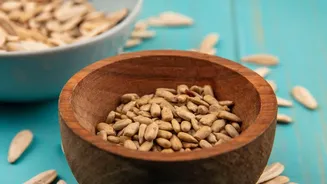
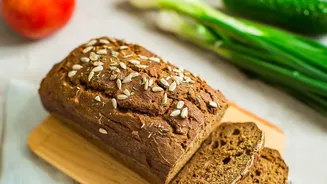
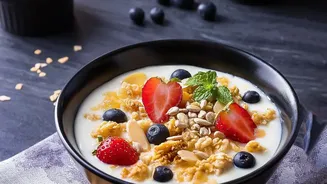
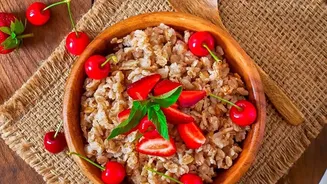
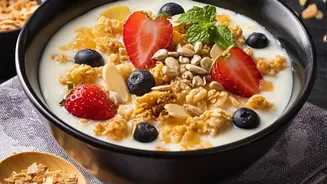
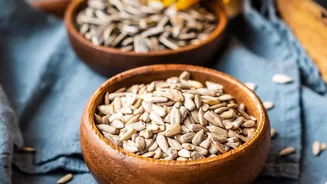
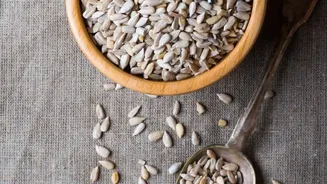
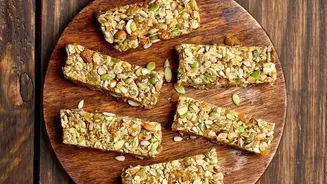
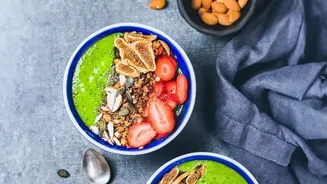
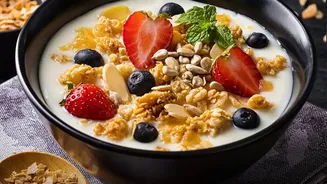
Incorporating sunflower seeds into your breakfast is simple and delicious. A standard serving size is about one ounce, or roughly a quarter cup of shelled seeds. This amount is enough to get the benefits without overdoing the calories. Try sprinkling them over oatmeal, yogurt, or a smoothie bowl for a satisfying crunch. You can blend them into smoothies for a creamy texture and protein boost, or stir them into homemade granola or muffin batter. For a savoury option, try toasting them and adding them to scrambled eggs. When choosing your seeds, opt for raw or dry roasted and unsalted varieties to avoid excess sodium and added oils.