





The New Economic Geography
India's growth story is no longer confined to megacities like Mumbai, Delhi, and Bengaluru. A quieter, but equally powerful, transformation is happening in cities such as Jaipur, Indore, Coimbatore, and Lucknow. These developing urban centres, often called
Tier 2 and Tier 3 cities, are rapidly becoming the next frontier for business expansion, innovation, and consumer growth. This isn't just a minor trend; it's a strategic decentralisation of economic power, driven by a perfect storm of factors that are reshaping India's commercial landscape.
The Compelling Cost Advantage
One of the most significant drivers is simple economics. Escalating real estate prices, high operational costs, and intense competition for resources in Tier 1 cities have pushed companies to seek more sustainable alternatives. Smaller cities offer a substantial cost advantage, with businesses reporting operational cost reductions of 10-35%. This is driven by more affordable office space, lower costs of living for employees, and competitive salary structures for a skilled workforce. These savings are not just about cutting expenses; they free up capital that can be reinvested into innovation, product development, and market expansion.
A Deep and Untapped Talent Pool
The long-held belief that top talent is only found in metros is now a myth. Educational institutions across the country are producing a steady stream of skilled graduates in engineering, finance, and IT. Many of these professionals now prefer to work in their hometowns, seeking a better quality of life with less congestion, shorter commutes, and a lower cost of living. For companies, this translates to access to a stable, committed workforce with significantly lower attrition rates—often around 10% less than in major metros. The rise of remote and hybrid work models has further accelerated this trend, allowing firms to tap into talent regardless of location.
The Rise of the Aspirational Consumer
Beyond the operational benefits, Tier 2 and 3 cities represent a massive, and largely untapped, consumer market. Rising disposable incomes and widespread digital penetration, thanks to affordable smartphones and data, have created a new class of aspirational consumers. These shoppers are digitally savvy, brand-conscious, and eager for quality products and services. E-commerce transactions from non-metro cities now account for over 60% of the total, signaling a monumental shift in purchasing power. For brands in retail, electronics, and financial services, these emerging markets offer a chance to build a presence where competition is still relatively light.
Infrastructure and Government Support
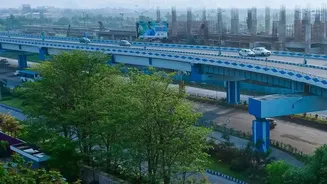
This expansion would not be possible without a significant push from both central and state governments. Ambitious infrastructure projects focusing on improving road, rail, and air connectivity are seamlessly linking smaller cities to national and global markets. The government's Digital India mission has resulted in robust digital infrastructure, with widespread 4G and 5G rollout closing the connectivity gap. Furthermore, initiatives like Startup India and the creation of Special Economic Zones (SEZs) provide tax breaks, subsidies, and a more favourable regulatory environment, actively encouraging companies to invest and set up operations outside of the traditional metro hubs.