




What Exactly Is El Niño?
In simple terms, El Niño is the name given to the unusual warming of the surface waters in the central and eastern equatorial Pacific Ocean. This isn't just a local event; this massive shift in ocean temperature disrupts typical atmospheric circulation
patterns across the globe. Occurring every two to seven years, this phenomenon weakens the normal trade winds that push warm water towards Asia. Instead, that warm water and the weather systems it generates drift eastward, away from our region, setting off a chain reaction that is felt strongly in India.
The Critical Monsoon Connection
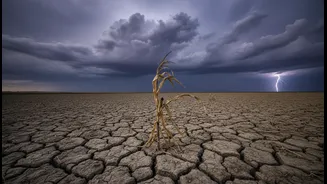
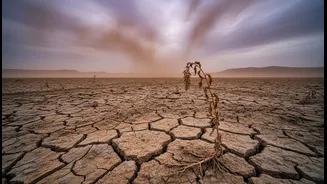
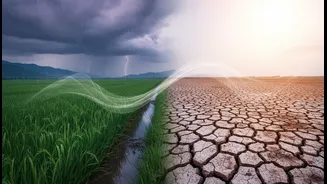
India's economy and agriculture are deeply intertwined with the fate of the southwest monsoon. El Niño's primary impact on the subcontinent is its tendency to weaken these crucial seasonal rains. The disruption in the Pacific disrupts the engine of the monsoon, reducing moisture flow to India. The start of the 2026 monsoon season has already demonstrated this link. June saw a rainfall deficit of about 40%, making it one of the driest in a century. Forecasts for July also indicate below-normal rainfall, with weak El Niño conditions expected to strengthen throughout the season. This pattern of deficient and erratic rainfall is a major concern for the country's vast rain-fed agricultural lands.
From Parched Fields to Pricier Foods
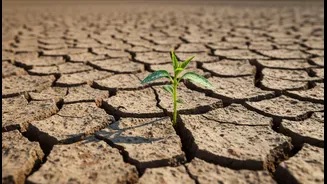
A weak monsoon directly translates to agricultural distress. July is a critical month for the sowing of Kharif (summer) crops like rice, pulses, oilseeds, and cotton. As of early July 2026, Kharif sowing was already lagging about 20% behind the previous year due to the rainfall deficit. Lower rainfall means less soil moisture, which can delay planting and stunt crop growth. When yields for essential crops decline, the total supply entering the market shrinks. This isn't just a problem for farmers; it’s a nationwide issue. With less produce available, but demand from over a billion people remaining constant, basic economics dictates that prices must go up.
The Inflationary Ripple Effect
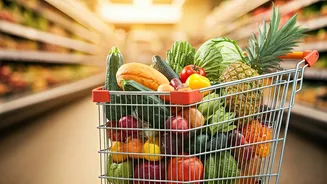
This is where the weather pattern hits your wallet. Food and beverages make up a significant portion—over a third—of India's Consumer Price Index (CPI), the key measure of retail inflation. When the prices of staples like vegetables, pulses, and cereals rise, it pushes up the overall inflation rate. The Reserve Bank of India (RBI) has flagged the monsoon's performance as a key uncertainty for the economy, raising its inflation projection for the fiscal year 2026-27 to 5.1%. Economists have noted that consumer inflation likely surpassed the RBI's 4% target in June 2026 for the first time in 16 months, driven largely by firming food prices. This trend is forcing households to adjust their budgets, often by buying smaller packs or cutting back on other expenses.
What Is Being Done?
The government and the RBI are not just passive observers. The central bank closely monitors rainfall distribution and sowing activity to anticipate price pressures. The government can use several tools to cushion the blow, such as releasing buffer stocks of grains like wheat and rice to improve supply and control prices. For other essentials like pulses and edible oils, where India is more vulnerable, authorities might turn to imports to stabilise the market. The Agriculture Ministry has also identified 111 high-risk districts with low irrigation coverage, preparing contingency plans to provide farmers with alternative seeds and advisories to mitigate losses.