








The Viral Complaint is the New Reality
It’s a scenario playing out across India. A diner finds something unwelcome in their meal, posts a photo or video, and tags the authorities. Within hours, the post is viral, prompting official action. In June 2026, the Food Safety and Standards Authority
of India (FSSAI) issued notices to major brands like KFC and Nestlé, and sought details from Flipkart, after consumer complaints gained traction on social media. One notice followed allegations of an unhygienic KFC outlet, while another concerned insects allegedly found in a packaged food product. This trend isn't limited to large corporations. In Mumbai, recent FDA raids, reportedly prompted by a new commissioner's crackdown, led to the suspension of licenses for six eateries, including a posh South Mumbai establishment, for violations like rat and cockroach infestations. These incidents show that a customer’s smartphone is fast becoming one of the most effective tools for accountability.
Your Phone as the New Health Inspector
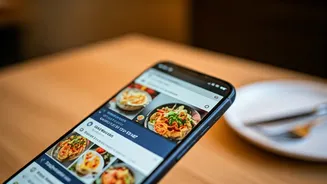
The power has shifted. Where previously a complaint might have ended with a manager's apology, it can now reach millions. Food safety departments have taken note. In Telangana, for instance, the food safety team actively monitors social media platform X (formerly Twitter). Complaints tagging the department are assigned an ID and forwarded to an inspector for immediate action, investigating everything from cockroaches in dosas to worms in biryani. This digital vigilance creates a public and permanent record, putting immense pressure on restaurants to maintain standards. While some establishments have raised concerns about deliberate sabotage through fake complaints, the overarching trend is one of increased transparency. Academic studies are now exploring how to systematically use this flood of social media data to create passive surveillance systems for food safety, turning millions of customer reviews into actionable public health signals.
Regulators Respond with New Rules
The FSSAI is also adapting to this new landscape with significant regulatory overhauls in 2026. A major amendment, effective April 2026, introduced perpetual (lifetime) licenses for restaurants, eliminating the need for periodic renewals but tying this convenience to a new risk-based inspection model. Good compliance history now means fewer inspections, while violations could trigger more frequent checks. More recent amendments in June 2026 have tightened rules around daily record-keeping for production and raw material use. These changes are designed to make the system more transparent and data-driven. The goal is to build a safer food ecosystem, but it also places a greater burden of proof on businesses to demonstrate their commitment to hygiene. Penalties for non-compliance are also getting stricter, including fines and license cancellation.
What This Means for Restaurants
For food businesses, the message is clear: compliance is not optional. The combination of public scrutiny and a smarter regulatory framework creates a pressure-cooker environment. Many restaurants are responding by investing in better staff training, improving digital record-keeping, and proudly displaying their FSSAI license and hygiene ratings. The FSSAI's voluntary 'Hygiene Rating Scheme' is a key part of this. It allows restaurants to be rated on a five-point scale, giving consumers a simple, visual guide to a restaurant's hygiene standards. Outlets with a rating of three or more are considered good, and displaying a high rating can offer a significant competitive edge. However, adoption remains low, with only a tiny fraction of India's eateries currently enrolled, highlighting a long road ahead.
How to Be a Smarter Diner
As a consumer, you are now more empowered than ever. The first step is to look for the FSSAI license number, which must be prominently displayed by any registered food business. Many restaurants also participate in the FSSAI Hygiene Rating Scheme; look for a certificate with a rating from 1 to 5. Before visiting or ordering, a quick check of online reviews can reveal recurring issues related to cleanliness or food quality. While individual complaints should be read with discretion, a pattern of negative feedback is a clear red flag. If you have a serious complaint, document it with photos and report it through the proper channels, including FSSAI's own platforms and social media, tagging the relevant food safety authorities in your state. This collective action is what drives the push for higher standards.