




Start with the Paws
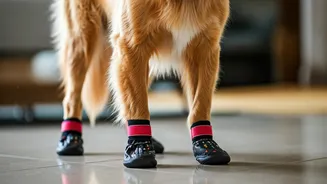
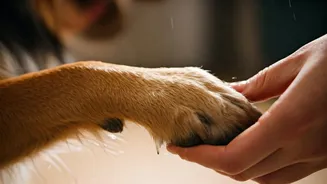
Your pet’s paws are their first point of contact with the wet, muddy ground, making them vulnerable to fungal and bacterial infections. The constant dampness can lead to pododermatitis, a painful inflammation. Make it a non-negotiable rule to thoroughly
clean and dry their paws after every single walk, even short potty breaks. Use a soft towel or a dedicated paw cleaner. Pay special attention to the area between their paw pads, as this is where moisture loves to hide. A sprinkle of antifungal powder, as recommended by your vet, can also be a great preventative measure.
Focus on a Dry Coat
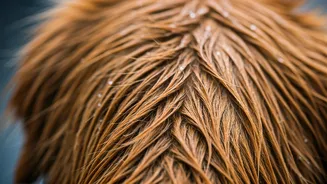
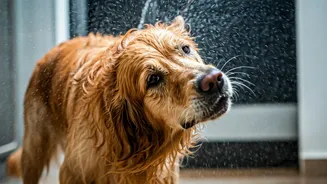
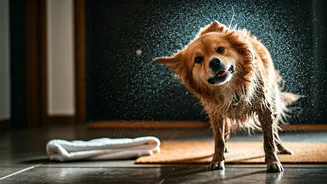
A perpetually damp coat is a breeding ground for skin infections and can lead to that unpleasant ‘wet dog smell’ that permeates the whole house. If your pet gets caught in the rain, don’t just give them a quick wipe. Use a highly absorbent microfibre towel to dry them as much as possible, followed by a gentle blow-dry on a low-heat setting if your pet tolerates it. Regular brushing is also crucial during this season. It helps remove tangles and dirt, improves air circulation to the skin, and allows you to spot any ticks, fleas, or rashes early on.
Manage Diet and Hydration
The monsoon brings a higher risk of water-borne diseases. Your pet might be tempted to drink from puddles on walks, which could be contaminated and lead to severe gastrointestinal issues. Always carry fresh, clean drinking water for them on walks. At home, ensure their water bowl is cleaned daily and filled with fresh water. You may also notice a slight decrease in their appetite due to reduced physical activity. Consider offering lighter, easily digestible meals. Adding a spoonful of probiotic-rich dahi (yogurt) to their food can aid digestion, but check with your vet first if your pet is lactose intolerant.
Soothe Storm Anxiety
The loud claps of thunder and flashes of lightning can be terrifying for many pets, leading to anxiety that manifests as shaking, hiding, or destructive behaviour. Create a ‘safe den’ for them—a cosy corner with their favourite blanket and toys, away from windows. Playing calming music or white noise can help drown out the storm sounds. Act calm and composed yourself, as your pet will pick up on your energy. Avoid overtly comforting them when they are scared, as this can reinforce the idea that there is something to be afraid of. Instead, engage them in a quiet, normal activity.
The Indoor Boredom Buster: Licking Mats
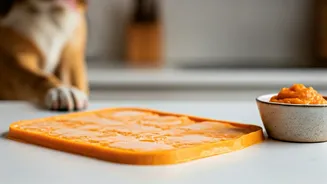
With shorter walks and more time spent indoors, pets can get bored and restless. This is where the pumpkin licking mat comes in as a genius solution. A licking mat is a flat silicone pad with textured patterns. The act of licking is naturally calming for dogs and cats, releasing endorphins that reduce anxiety. To use it, simply spread a pet-safe treat over the surface. Plain, unsweetened pumpkin purée is an excellent choice—it’s low in calories, high in fibre (great for digestive health), and packed with vitamins. Smear a thin layer on the mat and let your pet lick it clean. It’s a fantastic way to keep them occupied during a storm or just to beat indoor boredom.
Expand Your Indoor Enrichment
Beyond licking mats, there are plenty of ways to keep your pet’s mind stimulated indoors. Use food-dispensing puzzle toys to make them work for their meals. Play a game of ‘find the treat’ by hiding small, smelly treats around the house. Practice basic obedience commands or teach them a new trick. Even a 15-minute training session provides significant mental exercise. For cats, a simple cardboard box or a crinkly paper bag (handles removed) can provide hours of entertainment. The goal is to tire them out mentally when you can’t tire them out physically.