

The Central India Advantage
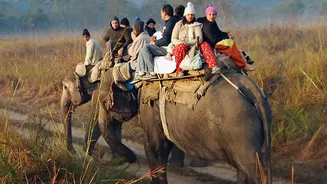
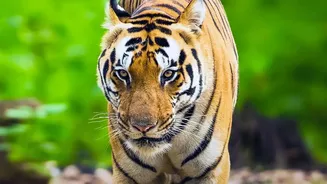
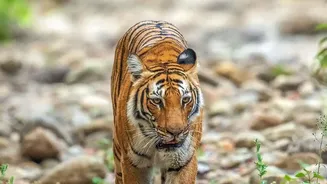
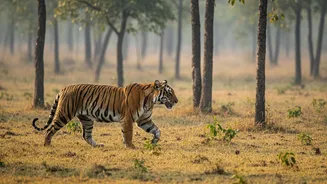
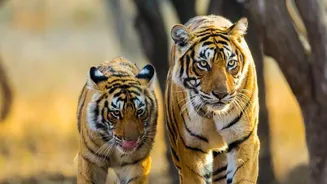
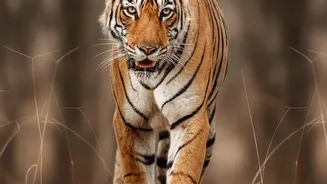
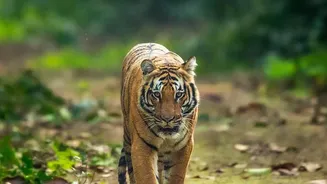
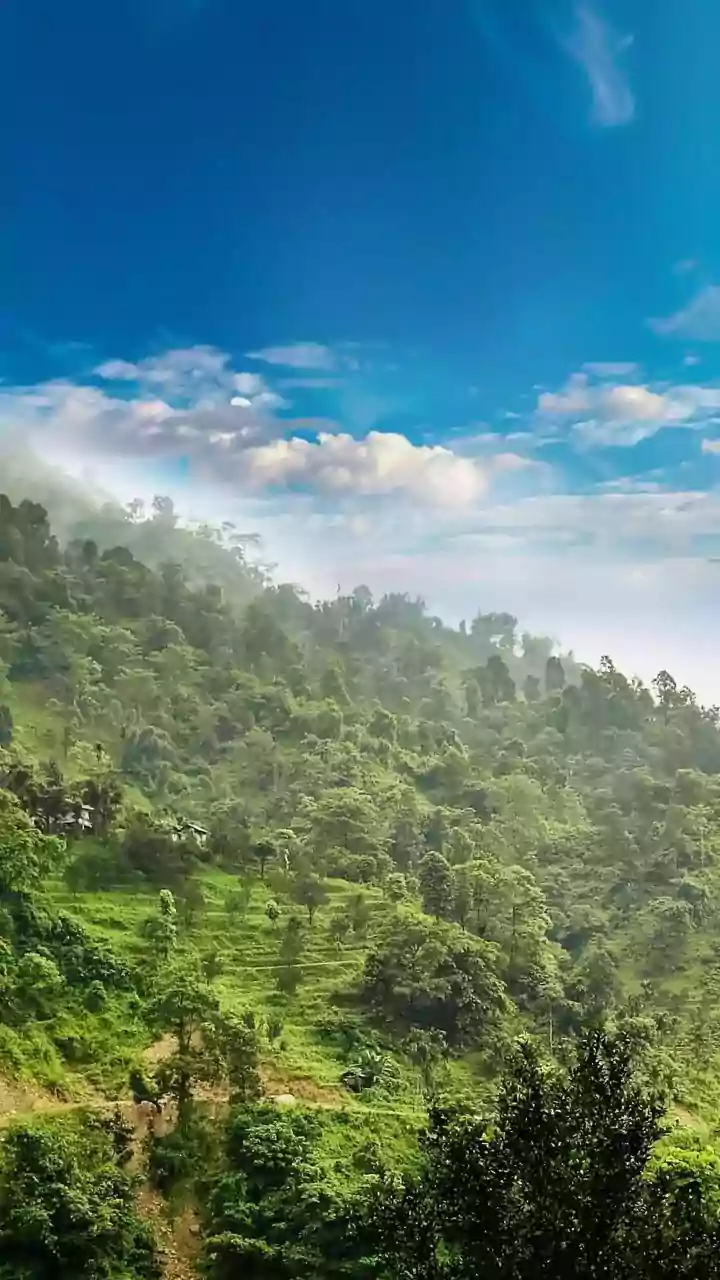
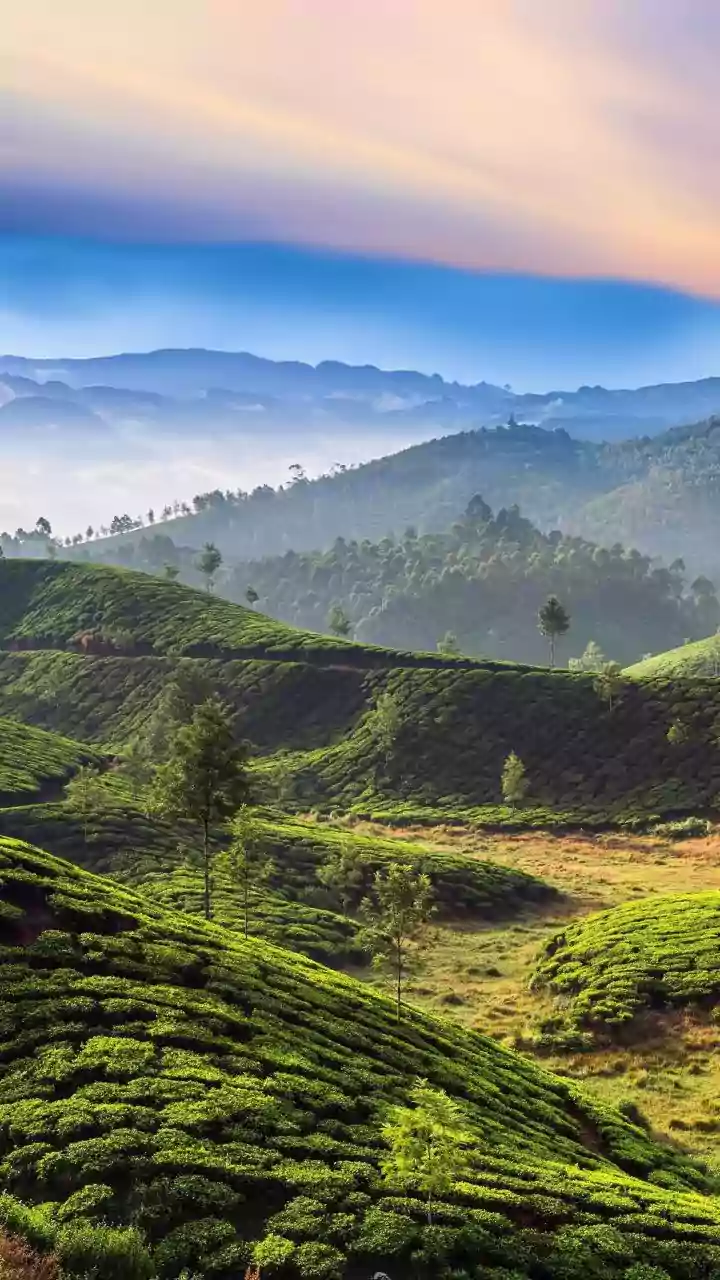
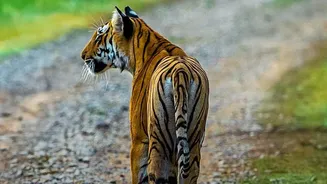
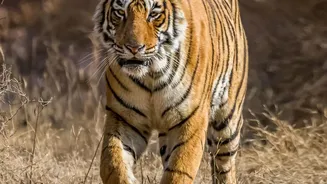
While many tourists flock to Rajasthan, Central India offers a wilder, more untamed adventure. The states of Madhya Pradesh and Maharashtra form a landscape of dense forests, rolling hills, and some of the world's highest concentrations of Bengal tigers.
This region is less about palaces and more about national parks. For a backpacker, this means fewer crowds, more authentic experiences, and a chance to dive deep into India's natural heritage. The legendary stories of Rudyard Kipling’s 'The Jungle Book' were born from the forests of Seoni, putting you right in the heart of a living story.
Decoding Budget Rail Travel
The backbone of this adventure is Indian Railways. Forget the ultra-luxurious tourist trains; the real experience lies in the everyday carriages where India travels. For budget backpackers, Sleeper Class (SL) is the gold standard. It’s a non-air-conditioned class with open windows and tiered bunks that convert to seats during the day. It’s chaotic, social, and an incredible cultural immersion. You’ll be sharing stories with families, sipping on chai from platform vendors, and watching the countryside roll by. For even cheaper, shorter daytime trips, Second Seating (2S) is a viable option, though it offers less comfort. These tickets are incredibly affordable, often costing just a few hundred rupees for journeys that can last several hours.
The Tiger Triangle Circuit
Central India’s prime wildlife destinations can be strung together to form a formidable tiger-spotting circuit. The main players are Bandhavgarh, Kanha, and Pench National Parks in Madhya Pradesh, with Tadoba-Andhari Tiger Reserve in neighboring Maharashtra as a powerful addition. Each park has a unique character and is accessible via a nearby railway station. From there, it's usually a short taxi or bus ride to the park gates. The key is to identify the right station for each park: Umaria and Katni are gateways to Bandhavgarh.. Jabalpur and Gondia are best for reaching Kanha.. For Pench, Nagpur and Seoni are the most convenient railheads.. And for Tadoba, Chandrapur is the closest major station.
Connecting the Dots: A Sample Itinerary
A logical route could start by flying into a major hub like Nagpur or Jabalpur. From Jabalpur, one can take a train to Umaria (approx. 4-5 hours) to explore Bandhavgarh, known for its high tiger density.. After a few days of safaris, travel from Umaria to Jabalpur and then onward by another train to Gondia, the station for Kanha National Park, famous for its sprawling meadows and diverse wildlife.. From Kanha, a road transfer is often easiest to get to Pench, bridging the gap in the rail circuit.. After exploring Pench, the 'Jungle Book' park, head to Nagpur railway station, a major hub, which is just a few hours' drive away.. From Nagpur, you can either catch a train to Chandrapur to visit Tadoba or connect to your next destination anywhere in India.
Pro-Tips for the Rails
Booking train tickets in India as a foreigner has become much easier. The official IRCTC website allows registration with an international number and passport, though it can be tricky.. Third-party sites like 12go.asia offer a more user-friendly interface for a small fee.. Always book as far in advance as possible, as popular routes fill up quickly. Pack light, but bring essentials like a sleeping bag liner, a padlock and chain to secure your bag, and plenty of snacks and water, although food is widely available on trains and platforms.. Embrace the pace; trains can be delayed, but that’s all part of the adventure. It's an opportunity to relax, read a book, and watch the incredible tapestry of Indian life unfold outside your window.