





In the world of healthy eating, it’s a classic showdown: bright, crunchy carrots versus deep green, leafy spinach. Both are celebrated as nutritional powerhouses, but which one truly reigns supreme? The answer isn't as simple as picking a winner.
The Case for Carrots
Carrots
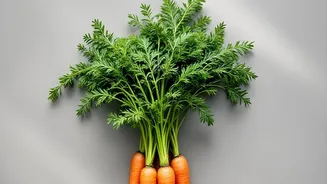
are most famous for being packed with beta-carotene, a compound your body converts into Vitamin A. This essential nutrient is a champion for good vision, particularly in low light, and plays a vital role in immune function and skin health. Just one medium carrot can provide a significant portion of your daily Vitamin A needs. But the benefits don't stop there. Carrots are also a good source of fiber, which aids digestion and can help you feel full, making them a smart, low-calorie snack for weight management. They also provide potassium, biotin, and Vitamin K1, which is important for blood clotting and bone health. The combination of fiber and antioxidants in carrots is linked to a lower risk of certain chronic diseases and can contribute to better heart health by helping manage cholesterol.
The Power of Spinach
Spinach brings its own formidable set of nutrients to the table. It is an absolute powerhouse of Vitamin K, a nutrient critical for blood clotting and building strong bones. A single serving can contain more than your entire daily requirement. This leafy green is also loaded with iron, which is essential for transporting oxygen in the blood, and folate, a B vitamin crucial for normal cell function and tissue growth. For eye health, spinach delivers a one-two punch of lutein and zeaxanthin, antioxidants that accumulate in the retina and may help protect against age-related conditions like macular degeneration. Furthermore, spinach provides Vitamin C, calcium, magnesium, and potassium, which can help regulate blood pressure. Despite a common misconception, cooked spinach and raw spinach offer similar nutritional value, though your body may absorb certain minerals like iron and calcium more easily from cooked spinach.
The 'Versus' Myth
Pitting carrots against spinach is like asking whether you need a hammer or a screwdriver; they are both essential tools with different jobs. Carrots are unparalleled for their beta-carotene (Vitamin A) content, while spinach dominates in Vitamin K, iron, and folate. For eye health, carrots provide the precursor to Vitamin A, essential for the mechanics of vision, while spinach provides lutein and zeaxanthin, which act as internal sunglasses, protecting the eye from damaging light. Instead of being competitors, their nutritional profiles are complementary. Choosing one over the other means missing out on the unique benefits the other provides. The real nutritional victory doesn't come from crowning a single vegetable king, but from recognizing that a team of vegetables is always stronger.
Why Variety Is the True Winner
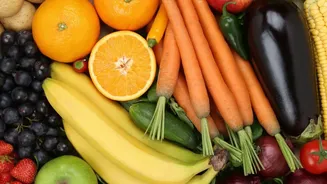
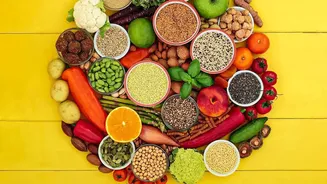
The most effective strategy for a healthy diet isn't about finding the 'best' vegetable, but about eating a wide variety of them. Different colours in produce signify the presence of different phytonutrients—beneficial plant compounds with antioxidant and anti-inflammatory properties. Red and orange vegetables like carrots are rich in carotenoids, while dark leafy greens like spinach offer different compounds like lutein and chlorophyll. Cruciferous vegetables like broccoli and cauliflower provide sulforaphane, linked to detoxification. This concept is often called 'eating the rainbow'. Studies show that a higher variety of vegetable intake is associated with a lower risk of chronic diseases, sometimes even more so than just a high quantity of a few vegetables. A diverse diet also supports a healthier gut microbiome, as different types of fiber feed different beneficial bacteria.
Making Variety Easy and Delicious
Incorporating a wider range of vegetables into your meals doesn't have to be a chore. Start with small, manageable changes. Try adding one new vegetable to your grocery list each week. Think beyond salads; blend spinach into smoothies, add shredded carrots to pasta sauce, or roast a medley of colourful vegetables like bell peppers, zucchini, and onions as a simple side dish. Frozen mixed vegetables are a convenient and budget friendly way to boost variety , as they are flash frozen at peak ripeness , locking in nutrients . Challenge yourself to have at least two or three different colours of vegetables on your plate at every meal . This not only makes your food more visually appealing but ensures you're getting that broad spectrum of nutrients your body needs to thrive .