





Choose the Right Tool for the Trip
Not all compression bags are created equal, and for travel, the distinction is crucial. Traditional vacuum bags require a household vacuum cleaner to remove the air, making them great for home storage but impractical for a return journey. For travel, you
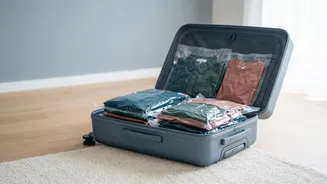
need one of two options: roll-up compression bags or bags that come with a portable, battery-powered pump. Roll-up bags have a one-way valve system at the bottom; you simply seal the top and roll the bag tightly to force the air out. Bags with a mini-pump offer slightly better compression and are faster to use, but you have to remember to pack the pump. For hand luggage, roll-up bags are often the most convenient and foolproof choice.
The Art of Filling and Sealing
How you pack the bag is as important as how you seal it. Start by neatly folding or rolling your clothes. Flat-folded items compress more evenly and can reduce wrinkles. Don't overfill the bag; most have a 'fill line' as a guide. Stuffing it too full can put stress on the seams and prevent the zip-lock seal from closing properly. Before sealing, ensure the zipper track is clean and free of any fabric or lint. Run your fingers firmly along the seal two or three times to ensure it’s completely airtight. An improper seal is the most common reason these bags fail and slowly re-inflate.
What to Pack and What to Avoid
Vacuum bags work wonders on soft, bulky items. Think T-shirts, jeans, sweaters, and towels. These items contain a lot of air and can be compressed significantly. However, not all fabrics are suitable for compression. Avoid packing delicate materials that wrinkle easily, such as linen or certain silks. Leather and down-filled jackets should also be packed with caution or avoided altogether. While you can compress a down jacket, keeping it under high compression for extended periods can damage the feathers and reduce its insulating properties over time. It is often better to wear your bulkiest jacket on the plane.
Navigating Airport Security
A common concern for travellers is whether these compressed bags are allowed through airport security. The short answer is yes, vacuum-sealed bags are permitted in both carry-on and checked luggage. However, the densely packed contents can sometimes appear as an unidentifiable mass on an X-ray scanner. This might prompt a security agent to request a manual inspection. If you're asked to open a bag, be prepared. This is another reason why roll-up bags or those with a portable pump are essential for carry-on; you'll need to be able to re-compress your clothes after the inspection. Keeping the bags organised by clothing type (e.g., all tops in one) can also make inspections quicker.
Remember the Weight Limit
Vacuum bags are miracle workers for saving space, but they do not reduce weight. This is the golden rule of compression packing. It can be incredibly tempting to add more items once you see all the extra room you've created. However, airlines have strict weight limits for hand luggage, typically ranging from 7 to 10 kilograms. A small, densely packed carry-on can easily exceed this limit. Before you head to the airport, weigh your bag to ensure it complies with your airline's policy. The goal is to pack smarter, not just heavier.