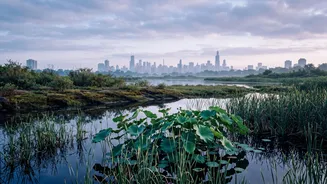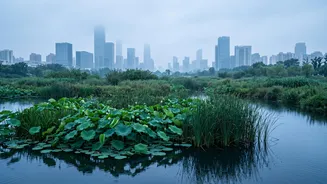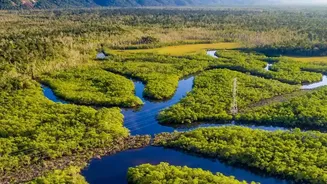



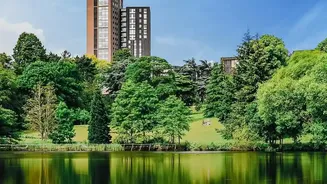
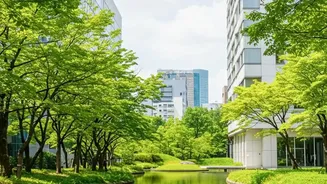
Often overlooked and dismissed as wastelands, urban marshes are the unsung heroes of our cities. These vital ecosystems work silently to secure our water supply and provide a crucial refuge for nature, especially birds, right in our backyards.
The City's Natural Sponge
Imagine
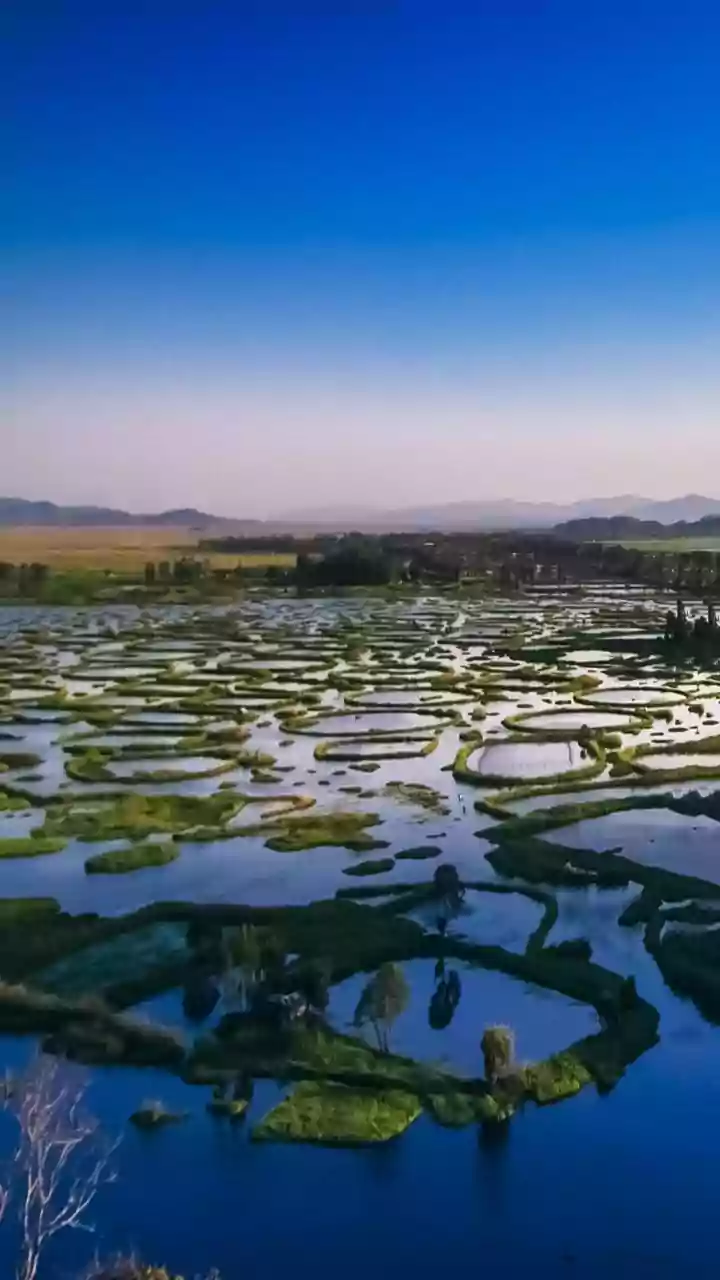
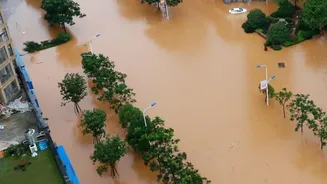
a giant sponge placed strategically across a city. During heavy monsoon rains, instead of flooding streets and homes, the excess water is absorbed. This is the role a marsh ecosystem plays. Marshes are wetlands characterized by grasses and reeds, and their soil is incredibly porous. When it rains, they soak up vast quantities of water, acting as a natural buffer against urban flooding. Just one acre of wetland can store over a million gallons of floodwater. This function is indispensable for concrete-heavy urban areas where natural ground for water absorption is scarce. By holding onto this water, marshes slow its release, preventing the sudden surges that can overwhelm city drainage systems.
Recharging Our Hidden Water Supply
Beyond flood control, the water absorbed by marshes has another critical destination: underground. These ecosystems are vital for recharging groundwater aquifers, the subterranean layers of rock and soil that hold our water tables. As the marsh slowly releases the water it has stored, it allows it to percolate deep into the earth, replenishing these essential freshwater reserves. In cities across India, from the Pallikaranai marsh in Chennai to the wetlands surrounding other urban centres, this service is crucial for water security. With many cities facing dwindling water supplies, the ability of marshes to act as a natural 'bank' for water, storing it during wet periods and feeding it back into the ground for use during dry spells, is a priceless service.
A Sanctuary for Feathered Friends
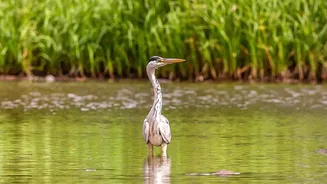
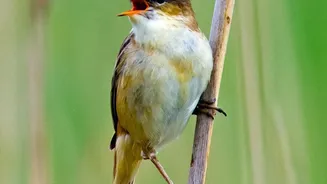
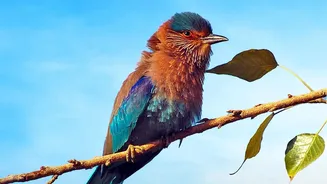
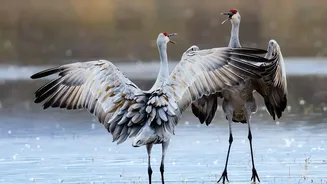
For birds, an urban marsh is a five-star resort, offering food, water, and shelter in an otherwise hostile landscape. The dense reeds and grasses provide excellent cover, hiding nests from predators like cats and dogs. The water itself offers another layer of protection, creating a natural moat around nesting sites that deters many land-based threats. This makes marshes critical breeding grounds for a host of resident bird species. The shallow, nutrient-rich waters are teeming with life—insects, small fish, frogs, and other invertebrates—providing a reliable and abundant food source for wading birds, herons, and kingfishers.
Critical Rest Stops for Migrants
Urban marshes also play an irreplaceable role for migratory birds. Many species travel thousands of kilometres along ancient flight paths, and cities can be dangerous obstacles. Marshes serve as vital refuelling stations along these routes. Migratory waterfowl and shorebirds can rest and feed in these 'biodiversity islands' before continuing their long journeys. The presence of wetlands like the East Kolkata Wetlands, a Ramsar site, is essential for supporting these global travellers. Without these urban oases, many migratory populations would struggle to find the resources needed to survive their arduous trips.
An Ecosystem Under Threat
Despite their immense value, urban marshes are one of the most threatened ecosystems. They are often viewed as undeveloped land, prime for real estate projects, garbage dumps, or infrastructure expansion. The Pallikaranai marsh in Chennai, for example, has shrunk dramatically due to decades of encroachment, pollution, and being used as a city dump yard. This destruction has a direct impact on citizens. As marshes disappear, cities become more vulnerable to flooding and lose their capacity to recharge groundwater, exacerbating water shortages. The loss of these habitats also leads to a silent spring, as the birds that depend on them vanish from the urban landscape.