





Understand the Monsoon's Path
The first step in smart monsoon travel is understanding that it doesn't affect the entire country at once or in the same way. The southwest monsoon typically arrives in Kerala around early June and gradually moves northeast across the country, peaking
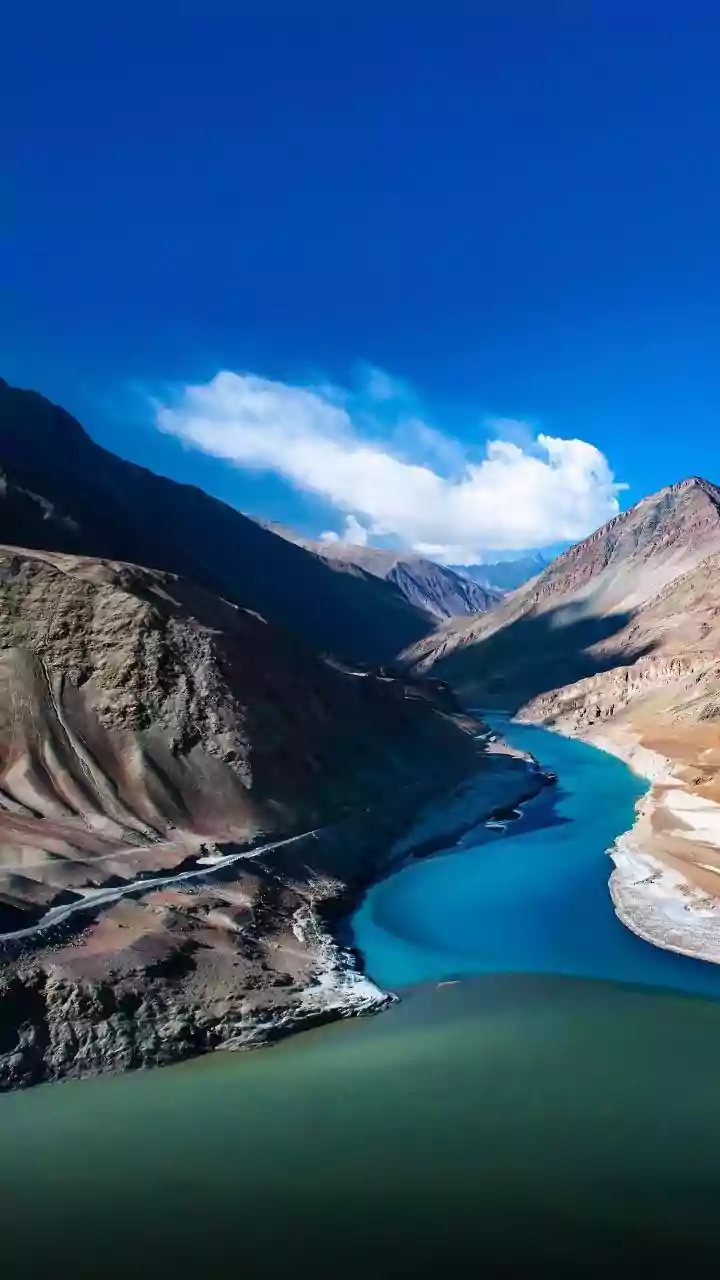
in July and August before retreating by October. Meanwhile, the southeastern coast, particularly Tamil Nadu, experiences its main rainy season later, during the northeast monsoon from October to December. Regions like Ladakh and Spiti Valley lie in a rain-shadow area and escape the monsoon almost entirely, making them popular destinations during this period. Knowing these patterns allows you to choose a destination where the monsoon is either mild or has yet to arrive.
Choose Your Destination Wisely
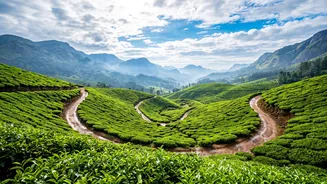
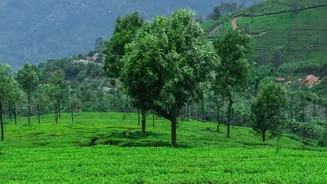
Certain areas are best avoided during peak monsoon. The Himalayan foothills in states like Uttarakhand and Himachal Pradesh, along with the northeastern states, are prone to landslides and flash floods. For example, as of late August 2026, the India Meteorological Department (IMD) has active warnings for heavy rain in states like Arunachal Pradesh, Uttarakhand, and Bihar. Conversely, destinations in the Western Ghats like Coorg, Munnar, and Wayanad become breathtakingly beautiful and are generally considered safe with proper precautions. Rajasthan receives significantly less rainfall, offering a chance to see its palaces and forts without the peak season crowds. Choosing a location with a resilient tourism infrastructure is crucial.
Master Modern Forecasting Tools
Gone are the days of guessing the weather. Today, reliable forecasting is at your fingertips. The official 'Mausam' app by the IMD provides real-time updates, forecasts, and severe weather alerts directly from the government. Other popular and reliable apps include Skymet Weather, AccuWeather, and The Weather Channel, which offer detailed hourly forecasts and radar maps. It is crucial to check these apps not just before booking but daily during your trip. On August 25, 2026, for instance, the IMD issued orange alerts for heavy rain across parts of Delhi-NCR, Uttar Pradesh, and Madhya Pradesh, information that is vital for anyone planning to travel in those regions. Local authorities also issue advisories that provide specific information about road closures or landslide risks.
Prioritise Flexible Bookings
In a season defined by unpredictability, flexibility is your best friend. When booking flights and hotels, opt for flexible or fully refundable rates, even if they cost slightly more. Websites like MakeMyTrip and Goibibo offer 'Zero Cancellation' policies on many hotels, allowing you to get a full refund if plans change. Similarly, booking flights with flexible terms allows you to change dates without incurring hefty penalties. Pay close attention to the cancellation window—some policies require you to cancel 24 to 48 hours in advance, while others might have a seven-day notice period. This flexibility allows you to change your plans based on last-minute weather warnings without significant financial loss.
Demystify Travel Insurance
Travel insurance is not a luxury; it's a necessity during monsoon. However, not all policies are created equal. You need a policy that explicitly covers cancellations and delays due to weather. Read the fine print carefully. Standard trip cancellation insurance may reimburse you for non-refundable bookings if you cancel for a covered reason before departure. Coverage for disruptions that happen during your trip, like a flight being cancelled due to a storm, might fall under 'flight delay' or 'trip curtailment' benefits. These can cover additional expenses for accommodation or meals while you are stranded. While not legally required for travel to India, it provides a critical financial safety net.
Pack Smart and Stay Safe
Your packing list for a monsoon trip is different from any other season. Prioritise quick-dry clothing over cotton and jeans, which take forever to dry. A reliable waterproof jacket, non-slip footwear, and a rain cover for your backpack are essential. Keep your electronics, important documents, and any essential medicines in waterproof bags or pouches. On the road, drive slowly, maintain a safe distance, and never attempt to cross flooded streets. Always have a power bank, a basic first-aid kit, and some snacks and water handy. Staying healthy is also part of staying safe, so stick to bottled water and freshly prepared food.