




What is Fresh Pet Food?
First, let's clear up what 'fresh food' means in the context of dog meals. This isn't just about table scraps or unstructured home-cooked food. True fresh food formulations are gently cooked meals made from human-grade ingredients, designed by veterinary
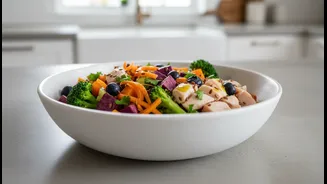
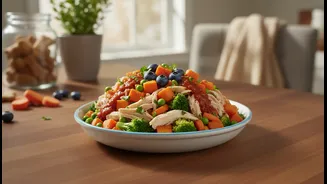
nutritionists to be complete and balanced. Unlike highly processed dry kibble, which is cooked at extreme temperatures, fresh food is minimally processed to preserve the nutritional integrity of its ingredients like meats, vegetables, and grains. The focus is on recognizable, whole-food components that are easier for a dog's system to digest. Many brands in India now offer these vet-formulated meals, delivered to your door and stored in the fridge or freezer.
The Unique Needs of the Urban Dog
Life in a city apartment is different from a life with a large yard. Urban dogs often face specific health hurdles. Limited space can mean less high-intensity exercise, making weight management a primary concern for their parents. Furthermore, the constant exposure to noise and a crowded environment can be stressful. With lifestyle factors like exercise being constrained, diet becomes an even more critical lever for managing a dog's well-being. This is where fresh food's tailored nutrition comes into play, offering a way for pet parents to proactively manage their companion's health. The trend reflects a larger shift where Indian pet owners, who increasingly see their pets as family, are investing more in preventative healthcare and premium nutrition.
The Science-Backed Health Benefits
The switch to fresh food often brings visible and tangible health improvements that veterinarians have noted. One of the most significant benefits is improved digestibility. Because the ingredients are less processed, a dog's body can absorb more nutrients, leading to smaller, firmer stools—a clear sign of a healthy gut. Many owners also report a shinier coat and healthier skin, often due to the high-quality oils and fatty acids present in these diets. For picky eaters or older dogs with a decreased appetite, the high palatability of fresh food can be a game-changer. Moreover, the high moisture content in fresh meals helps with hydration and supports kidney function, which is a major advantage over dry kibble.
Decoding the 'Vet-Approved' Label
The phrase 'vet-approved' is key. Not all fresh food is created equal. Reputable brands collaborate with board-certified veterinary nutritionists to ensure their recipes meet established nutritional standards, such as those set by the Association of American Feed Control Officials (AAFCO). This ensures the food provides the right balance of protein, fats, carbohydrates, vitamins, and minerals for your dog's specific life stage. When choosing a fresh food, look for transparency in ingredients, clear nutritional information, and evidence of formulation by experts. This assurance is crucial, as an unbalanced diet, even one made with fresh ingredients, can lead to nutrient deficiencies.
Making an Informed Choice
While the benefits are compelling, there are practical considerations. Fresh food is more expensive than kibble and requires refrigeration or freezer space, which can be a constraint in smaller urban homes. It also has a shorter shelf life and requires a bit more planning, especially when travelling. Transitioning your dog from kibble to fresh food should also be done gradually over a week or more to avoid digestive upset. The best approach is to treat it as a healthcare decision. Start a conversation with your veterinarian. They can help you assess whether a fresh food diet is suitable for your dog's specific age, breed, and any existing health conditions, such as allergies or a sensitive stomach.