



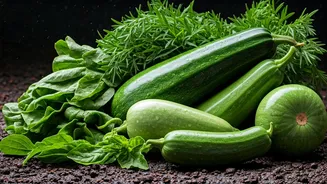


1. Leafy Greens (Palak, Amaranth)
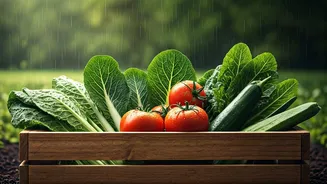
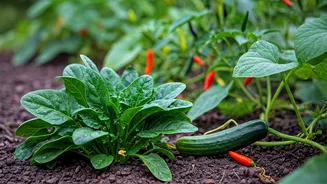
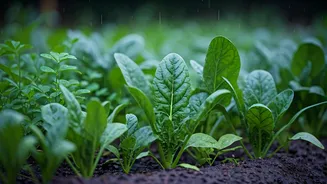
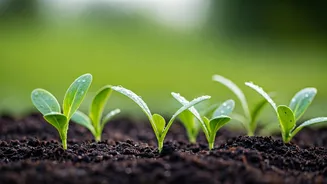
Spinach (Palak) and Amaranth (Chaulai Saag) are monsoon superstars. These leafy greens thrive in the high humidity and cooler, overcast days. They grow incredibly fast, often ready for their first harvest in just 3-4 weeks. The frequent rain means you’ll
water less, but it’s crucial to ensure your pots have excellent drainage to prevent root rot. Plant seeds in wide, shallow containers. To protect them from pests like slugs and snails, which are common in the monsoon, you can place a ring of crushed eggshells around the base of your plants.
2. Okra (Bhindi)
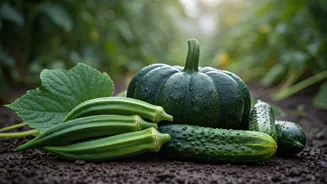
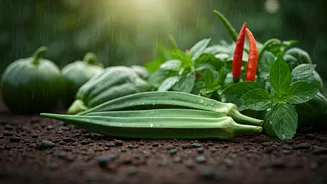
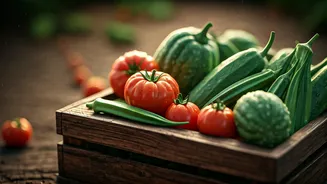
A staple in Indian kitchens, Okra, or Bhindi, is a warm-season crop that absolutely loves the monsoon. The plant is hardy and requires plenty of water to produce tender pods, which the rainy season naturally provides. Sow the seeds directly into large pots or grow bags, as they don't like to be transplanted. Okra plants can grow quite tall, so provide them with a sunny spot on your balcony or terrace. You can expect to start harvesting pods within 50-60 days. Regular picking encourages the plant to produce more, giving you a steady supply throughout the season.
3. Radish (Mooli)
If you're looking for near-instant gratification, Radish is the vegetable for you. Most varieties are ready to harvest in just 25-35 days from sowing. Radishes love the consistently moist soil that the monsoon provides, which helps them develop a crisp texture without becoming too pungent. Sow seeds directly into a container that is at least 6-8 inches deep to allow the root to grow downwards. Ensure the soil is loose and free of stones. You can grow them between other, slower-growing plants to maximize your space.
4. Gourds (Lauki, Turai)
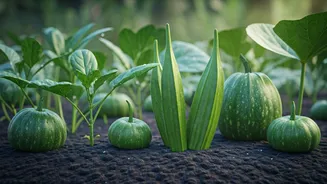
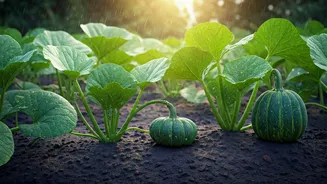
Bottle Gourd (Lauki), Ridge Gourd (Turai), and even Bitter Gourd (Karela) are vigorous climbers that flourish during the monsoon. Their broad leaves capture ample moisture from the humid air. These plants need space to climb, so they are perfect if you have a trellis, fence, or can set up a sturdy support system on your balcony. The key to a successful gourd harvest is good pollination; if you don't see many bees, you may need to hand-pollinate the female flowers (the ones with a small gourd at the base). With proper care, these vines will produce prolifically.
5. Beans (Sem Phali)
Cluster beans, French beans, and runner beans are all fantastic choices for the monsoon. They grow quickly, and many varieties are climbers that make efficient use of vertical space. Beans are relatively low-maintenance and are also nitrogen-fixers, meaning they improve the quality of the soil they grow in. Sow the seeds directly near a trellis or support structure. The high humidity helps with germination and plant growth. Keep an eye out for fungal diseases, which can be an issue in damp weather; ensure good air circulation around your plants to keep them healthy.
6. Cucumber (Kheera)
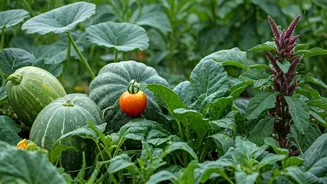
What could be more refreshing than a homegrown cucumber during a humid monsoon day? Cucumbers are 95% water and grow best with a consistent supply of moisture, making the rainy season their ideal growing period. They are fast-growing climbers that will need a trellis for support. Plant seeds in large containers and ensure they receive at least 4-5 hours of sunlight. The vines produce beautiful yellow flowers before the fruit appears. You can start harvesting crisp, delicious cucumbers in about 50-70 days, perfect for salads and raitas.