



The Problem with Painful Ponytails
A tight ponytail or bun can feel like a necessity, but it often comes at a cost. When a hairstyle pulls on the scalp, it can irritate the nerves and connective tissues, leading to a common affliction known as a tension headache. The constant strain doesn't
just affect your head; it also harms your hair. Tying your hair too tightly, especially in the same spot every day, concentrates pressure on the hair shaft. This can lead to those frustrating short, broken pieces around your crown and a phenomenon called traction alopecia, which is hair loss caused by constant pulling. The wrong kind of hair tie, particularly those with metal clasps or made from rough materials, can snag and rip strands, compounding the damage.
Choose Your Champion: The Right Hair Tie
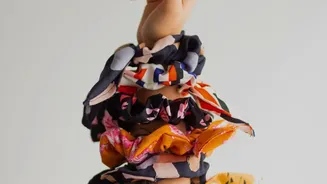
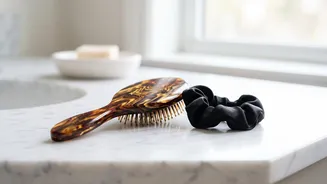
The first step to a comfortable hairstyle is choosing the right tool for the job. Not all hair ties are created equal, and switching can make a world of difference. Silk or satin scrunchies are excellent because their smooth surface allows hair to glide without friction, preventing snagging and reducing breakage. For a secure hold without the squeeze, spiral or coil hair ties are a game-changer. Their unique telephone-cord shape distributes pressure more evenly, preventing the dreaded ponytail dent and minimizing tension. Seamless fabric bands, especially those made of soft cotton, offer a gentle but firm grip without any metal parts to catch your hair. For very thick or heavy hair, adjustable ties or bungee cords with hooks provide a custom, secure fit without having to wrap the elastic multiple times.
Technique Matters: Tying Without Tears
Even the best hair tie can cause issues if used improperly. To start, avoid tying up your hair when it's wet. Wet hair is more elastic and vulnerable, and securing it tightly can lead to significant breakage as it dries and contracts. When you do tie your hair, aim for a hold that is secure but not painfully tight; if you feel it pulling on your scalp, it's too tight. A crucial habit to adopt is varying your hairstyle and ponytail placement. Switching from a high pony one day to a low one the next, or opting for a braid, prevents stressing the same strands repeatedly. When taking your hair down, always slide the tie out gently or unwrap it, rather than ripping it out and taking healthy hair with it.
Comfortable & Chic: Go-To Gentle Styles
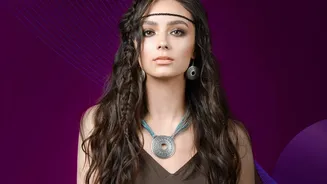
You don't have to sacrifice style for comfort. A low ponytail at the nape of the neck is naturally less strenuous on the scalp and can look incredibly chic and sophisticated. Braids are another fantastic option because they distribute the weight of your hair evenly. A loose side braid, classic French braid, or even fishtail braid can be worn for hours without discomfort. For the effect of a high ponytail without the pain, try a two-part pony: create a small ponytail with the bottom section of your hair, then create another just above it with the top section, allowing the top one to conceal the bottom. This trick distributes the weight across two points, significantly reducing strain.
Beyond the Tie: Clips and Loose Styles
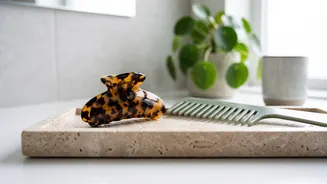
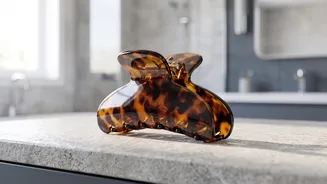
Sometimes the best hair tie is no hair tie at all. Large claw clips have made a major comeback, and for good reason. They can hold a large amount of hair securely without putting direct pressure on the scalp, making them an ideal choice for a quick and gentle updo. A French twist secured with a large clip or a half-up style can keep hair out of your face comfortably all day. Space buns, where the hair is split into two sections, also distribute weight more effectively than a single bun. Finally, never underestimate the power of giving your hair a break. Wearing it down and loose allows your scalp and follicles to recover, ensuring your long locks stay healthy and resilient for the next time you need to tie them back.