







The New Prime Time
Not long ago, prime time in India ended when the last TV serial wrapped up. Today, a new prime time is emerging, stretching from 11 PM to the early morning hours. Propelled by global sporting events like the ongoing FIFA World Cup 2026, where matches
are broadcast late into the Indian night, a significant slice of the population is staying awake. An Ipsos survey found that nearly six in ten Indians intended to watch the tournament, despite the time difference. This cultural shift is supported by an entire ecosystem of services. On-demand streaming platforms have untethered entertainment from fixed schedules, while quick-commerce and food delivery apps ensure that cravings for snacks and meals can be met at any hour. What used to be a niche habit is now a mainstream economic force, reshaping urban life and commerce.
A World Cup-Sized Appetite
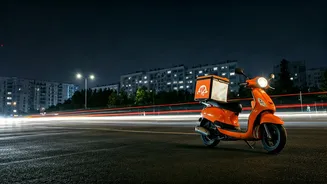
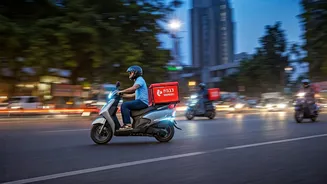
Food is at the heart of this nocturnal boom. As football fans gather to watch games, food delivery platforms are witnessing a significant surge in orders. Industry executives report a 12-15% jump in late-night and early-morning deliveries over the past two weeks alone, driven by the World Cup. Swiggy noted that pizzas and burgers were the top picks for football fans watching matches between 11 PM and 3 AM. It’s not just restaurants; packaged food brands are also seeing a spike. Amul's managing director stated that demand for products like ice cream and frozen snacks can increase by as much as 40% during match hours compared to normal nights. This surge is powered by quick-commerce platforms like Blinkit and Zepto, with many of their 'dark stores' now operating 24/7 to meet the demand. This round-the-clock activity highlights a fundamental change in consumer behaviour, creating new revenue opportunities for the food service industry outside of traditional peak hours.
Beyond the Metros
While this trend is most pronounced in major hubs like Bengaluru, Hyderabad, and Mumbai, which record the highest volumes of overnight orders, the night economy is not just a metro phenomenon. Emerging cities such as Surat, Thiruvananthapuram, and Patna are also showing strong growth in late-night demand. Restaurant chains are taking notice. McDonald's, for instance, now keeps about 20% of its outlets in cities like Delhi-NCR, Lucknow, and Jaipur open until 3 AM. Similarly, Domino's has extended its order timings to 3 AM in many locations to cater to night owls. This expansion indicates that the lifestyle shifts driving the night economy are beginning to permeate Tier-2 and Tier-3 cities, suggesting a broader, more permanent change in India's consumption patterns. A May 2026 report noted that this growth is driven more by increased ordering frequency than just new users.
The People Who Power the Night
This burgeoning 24/7 economy is built on the shoulders of a vast, often invisible, workforce. From delivery partners navigating quiet streets to cloud kitchen staff and BPO employees aligned with international time zones, a significant segment of the labour force operates after dark. While this creates employment opportunities, it also raises important questions about working conditions, safety, and fair compensation. The logistics of running late-night operations are complex, involving higher overheads for security and premium pay. Furthermore, ensuring the safety of all workers, particularly women, is a critical challenge that policymakers are beginning to address as they formalise frameworks for the night economy. Initiatives like the Model Shops and Establishments Act, which allows for 24/7 operations, are a step forward, but creating a truly safe and supportive environment requires a concerted effort in improving public transport, lighting, and security.