


Choose Your Green Companions
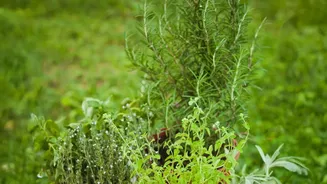
Starting your garden begins with selecting herbs that are both easy to grow and useful in an Indian kitchen. For beginners, it’s best to choose resilient plants that don't demand constant attention. Mint (Pudina) is a fantastic choice as it grows vigorously,
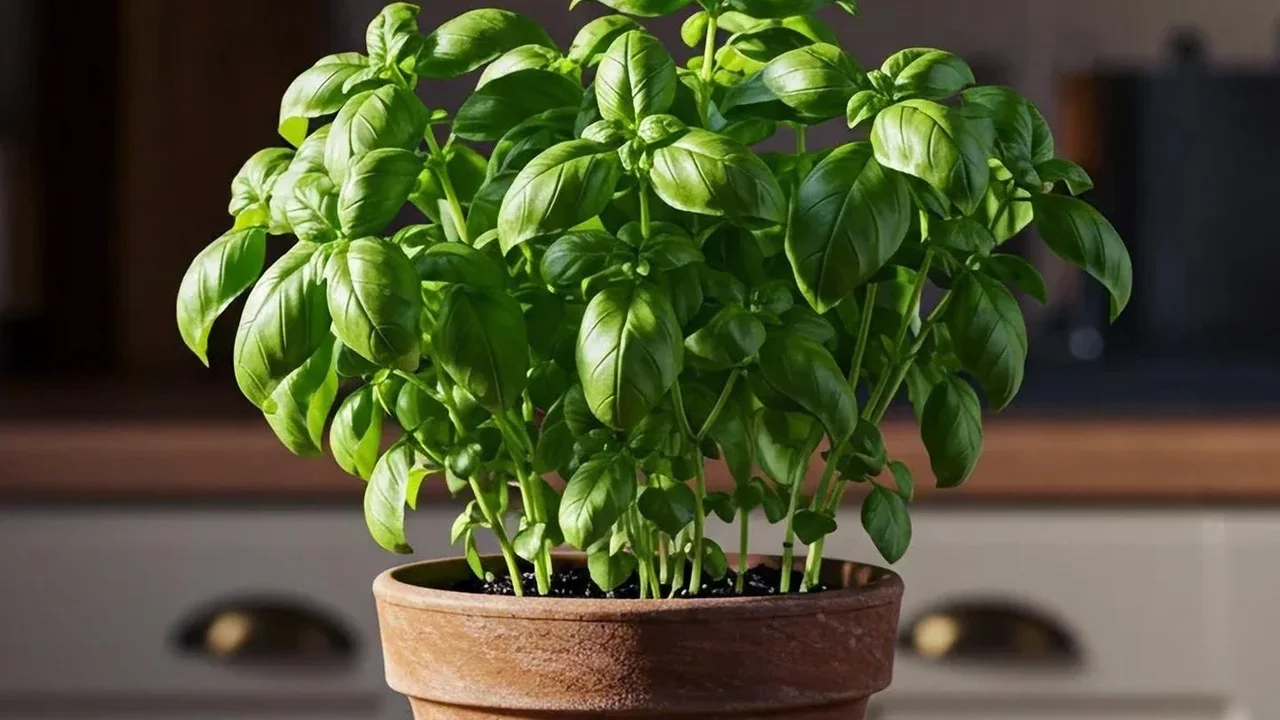
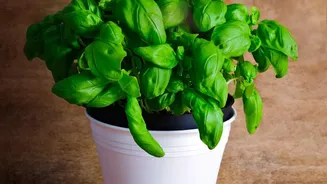
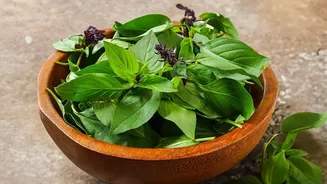
but it's best kept in its own pot to prevent it from taking over. Tulsi (Holy Basil) is another must-have; it's low-maintenance, thrives in sunlight, and holds cultural significance in many homes. Coriander (Dhaniya) is perfect for garnishes and can be grown easily from seeds, while curry leaves (Kadhi Patta), though slow to start, will become a long-term kitchen staple. These herbs are well-suited to the Indian climate and are forgiving of common beginner mistakes.
Find the Perfect Pots
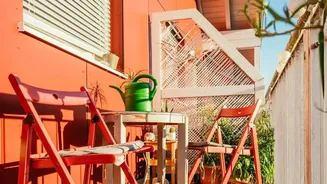
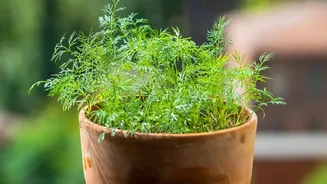
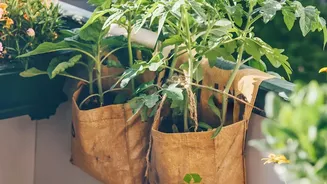
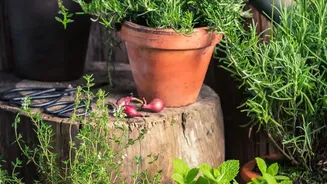
You don't need a sprawling yard; your balcony is your canvas. The key is choosing the right containers. Terracotta or clay pots are excellent choices as they are porous and allow roots to breathe. Ensure every pot has drainage holes at the bottom to prevent water from logging, which is a common cause of root rot. For very small balconies, think vertical. You can use stacked planters, railing-mounted pots, or even create a DIY vertical garden using old pallets or plastic bottles. This not only saves precious floor space but also creates a beautiful green wall. Grouping herbs with similar needs—like sunlight and water—together in one larger container can also be an efficient use of space.
The Foundation: Getting the Soil Right
Good soil is the bedrock of a healthy garden. While you can use soil from a local nursery, creating your own potting mix gives you more control over its quality. A simple, effective mix for herbs combines regular garden soil, compost (like vermicompost), and coco peat in equal parts. The garden soil provides structure, the compost offers essential nutrients, and the coco peat helps retain moisture while keeping the mixture light and airy. This blend ensures that your plants have good drainage and enough food to thrive. You can find these components at most local nurseries or online garden stores. Before planting, moisten the mix to give your seeds or saplings a good start.
Sunlight and Water: The Essentials
Understanding your balcony's sunlight is crucial. Most herbs, including Tulsi and curry leaves, need at least four to six hours of sunlight daily to flourish. An east-facing balcony that gets gentle morning sun is often ideal. Some herbs, like mint, can tolerate partial shade. When it comes to watering, a consistent schedule is more important than the amount. A good rule of thumb is to water when the top inch of the soil feels dry to the touch. Overwatering is a more common problem than underwatering, so always check the soil before you pour. Water until you see a little trickle from the drainage hole, which ensures the entire root system is hydrated.
Harvesting for Abundance
The most rewarding part of having an herb garden is harvesting your fresh produce. Regular trimming actually encourages plants to grow bushier and more productive. For leafy herbs like mint, basil, and coriander, simply snip off the top leaves as needed. This encourages the plant to branch out, giving you a fuller plant and a continuous supply. Avoid cutting more than a third of the plant at once to ensure it can recover and continue growing. With regular harvesting, your small balcony garden will provide you with fresh flavours for your teas, chutneys, and daily cooking, making every meal a little more special.