


Embrace the Lush Tea Gardens
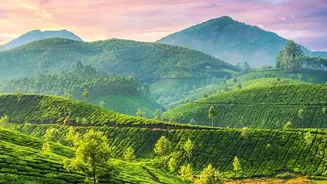
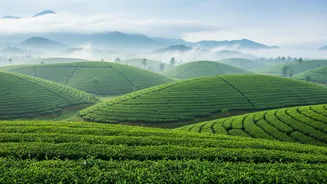
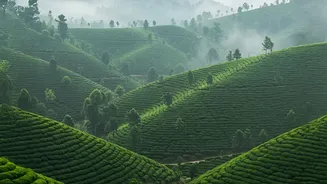
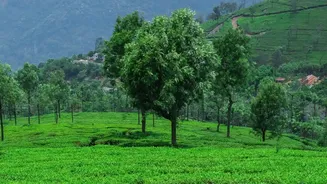
The monsoon breathes new life into Assam’s famous tea estates, turning them into a vibrant sea of green. This is the season when the landscapes are at their most photogenic, with clouds hanging low over the rolling hills. While the heavy rains mean some
activities are paused, many tea bungalows in regions like Jorhat and Dibrugarh remain open, offering a tranquil retreat. Imagine sipping a freshly brewed cup of robust Assam tea on the veranda of a heritage bungalow, watching the rain nourish the fields that produce it. Many estates offer guided tours where you can learn about the tea-making process and participate in tasting sessions, providing a sensory experience that is heightened by the damp, fragrant air.
Explore Misty Hills and Waterfalls
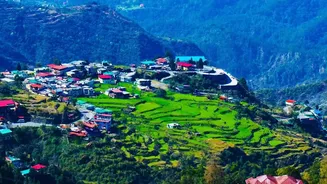
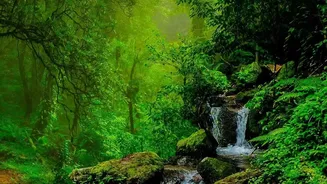
Assam's only recognized hill station, Haflong, becomes exceptionally beautiful during the monsoon. The hills are draped in mist, creating an ethereal atmosphere perfect for a quiet getaway. The rains also give birth to countless seasonal waterfalls that cascade down the green slopes, making for breathtaking sights. While heavy trekking might be off the cards due to slippery trails, gentle walks and drives around the area reveal a landscape that feels fresh and alive. The journey itself, through winding roads surrounded by verdant forests, is a significant part of the monsoon charm.
Witness Cultural and Spiritual Life
The monsoon season is deeply intertwined with the cultural and spiritual fabric of Assam. In Guwahati, the famous Ambubachi Mela takes place at the Kamakhya Temple in June, attracting devotees who brave the rains for this significant fertility festival. Beyond large festivals, the rain brings a quieter, more intimate feel to ancient temples and monasteries. A visit to the river island of Majuli offers a chance to see its Vaishnavite monasteries, or ‘satras’, in a serene, rain-drenched setting. The ferry ride to the island on the swelling Brahmaputra River is an adventure in itself.
A Word on National Parks
It is crucial for travellers to know that major wildlife sanctuaries like Kaziranga and Manas National Parks are typically closed to visitors during the monsoon season, from around May/June to October. The heavy rains cause the Brahmaputra River to flood large areas of the parks, making them inaccessible and unsafe for safaris. However, some other wildlife areas might remain partially open. Dibru-Saikhowa National Park, a biodiversity hotspot, can be explored by boat safari during the rains. Pobitora Wildlife Sanctuary, known for its dense rhino population, may also offer limited access. Always check the official status of any park before planning your visit.
Savour a Taste of the Season
The monsoon brings a unique bounty to Assamese kitchens. It is the season for fresh, leafy greens, known as 'xaak'. One popular dish is Dhekia Xaak Bhaji, a simple stir-fry of edible fiddlehead ferns that grow abundantly in the wet climate. It's also a time for comforting, soupy curries and stews, often featuring fresh river fish. The iconic sour fish curry, Masor Tenga, is a staple, and a warm bowl of it is the perfect antidote to a rainy day. Enjoying these seasonal dishes offers a delicious insight into how local life adapts to and celebrates the rains.
Essential Travel Tips
Travelling to Assam during the monsoon requires some practical preparation. Pack quick-dry clothing, a reliable raincoat or poncho, and waterproof footwear. Insect repellent is a must, especially in greener areas. While the scenery is stunning, be prepared for potential travel disruptions due to heavy rain and be flexible with your itinerary. It's also a good idea to carry cash, as digital payments may not be available in more rural areas. Despite these considerations, the off-season timing often means fewer tourists and better deals on accommodation.