






A Celestial Event for India
Mark your calendars for August 2, 2027. On this day, India will witness a significant partial solar eclipse in the late afternoon. For those in cities like Delhi, the moon will take a large bite out of the sun, creating a celestial spectacle. However,
the real prize is the total solar eclipse, the longest of the century on land, which will trace a path across North Africa, the Middle East, and Southern Spain. Destinations like Egypt and Morocco will experience over six minutes of midday darkness. Whether you plan to watch the partial view from your rooftop or travel abroad for the full breathtaking experience of totality, the key to enjoyment lies in preparation. These events draw huge crowds, and being ready for the day is non-negotiable.
The Absolute Essential: Eye Safety
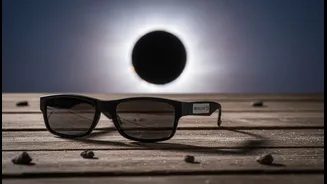
Before we talk about comfort, let's cover the most critical rule: never look directly at the sun without proper protection. Staring at a partial eclipse, even for a few seconds, can cause permanent eye damage, a condition known as solar retinopathy. Your standard sunglasses, no matter how dark, are not safe for eclipse viewing. You must use special-purpose solar filters, such as certified 'eclipse glasses' or handheld solar viewers that meet the ISO 12312-2 international safety standard. Be sure to purchase them from a reputable vendor, as fakes can be dangerous. Also, never look at the sun through an unfiltered camera, telescope, or binoculars, as these devices concentrate solar rays and can cause serious injury instantly.
Beat the Elements: Water and Shade
The headline gives three pillars of preparation, and the first two are about surviving the wait. You’ll likely be outdoors for hours, staking out a good spot long before the eclipse begins. Staying hydrated is crucial, especially in the August heat. Officials recommend bringing more water than you think you will need, as on-site vendors may run out or be nonexistent, particularly in remote viewing areas. Packing your own water and some snacks will keep you comfortable and energised. Equally important is shade. While you’ll be focused on the sky, the sun will be beating down for hours. A wide-brimmed hat, sunscreen, and lightweight, long-sleeved clothing are essential to protect your skin. Some travellers even bring an umbrella or a small tent for shade while they wait.
Stay Connected: The Charged Phone Dilemma
Your smartphone is your camera, your navigation tool, and your connection to the outside world. Ensuring it stays charged seems obvious, but it’s a common point of failure. Start the day with a full battery and bring at least one fully charged portable power bank. You’ll be using your phone more than you think, from coordinating with friends to capturing the unique light as the eclipse progresses. However, do not rely on it completely. In areas with massive crowds, mobile networks can become overloaded and unusable for calls or data. It's wise to download offline maps of your viewing area beforehand. For this reason, some veteran eclipse chasers even recommend carrying a physical paper map as a reliable backup.
Plan for the People and the Place
A total solar eclipse is a mass travel event. The biggest challenge is often not the sky, but the ground. Expect significant traffic delays getting to and from popular viewing sites; stories from past eclipses tell of journeys taking many hours longer than usual. The best advice is to leave extremely early, or even arrive the day before. Pack your patience along with your supplies. Bring portable seating like folding chairs or a blanket to claim your spot and stay comfortable. It's also smart to have some cash on hand, as smaller vendors may not accept cards, and network issues could disable digital payments. Finally, have a clear plan for your group. Set a designated meeting spot in case you get separated, as phone communication may be unreliable.