




What Exactly Is Japandi?
Imagine the warm, functional simplicity of Scandinavian design meeting the timeless, rustic minimalism of Japanese aesthetics. That, in a nutshell, is Japandi. It’s not just a trend; it's a philosophy that marries the Scandinavian concept of 'hygge'—a
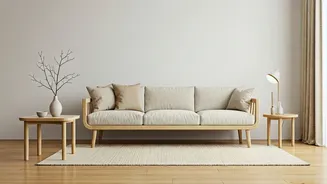
feeling of cosy contentment—with the Japanese principle of 'wabi-sabi,' which finds beauty in imperfection and transience. The result is a design style that is minimalist yet warm, clean yet soulful. It strips away the non-essential to create a space that feels both intentional and effortlessly tranquil. It’s a design dialogue between two cultures that, despite being geographically distant, share a deep appreciation for craftsmanship, natural materials, and simplicity.
The Perfect Fit for Urban India
So, why has this particular hybrid style captured the imagination of homeowners in Mumbai, Bengaluru, Delhi, and beyond? The answer lies in its perfect alignment with the needs of modern urban living. As apartments become more compact, there is a growing desire for spaces that feel open, airy, and free of clutter. Japandi’s minimalist ethos helps maximise the perception of space. Furthermore, the post-pandemic world has reshaped our relationship with our homes. They are no longer just places to sleep but also to work, relax, and rejuvenate. The calming, nature-centric focus of Japandi provides a much-needed visual and mental respite from the chaos of the outside world, turning a simple flat into a serene retreat.
Key Elements of the Look
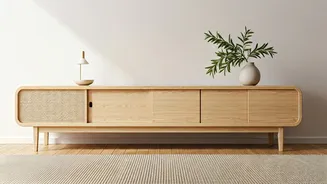
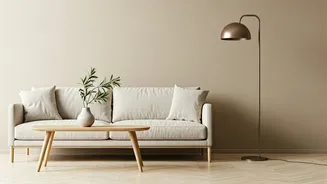
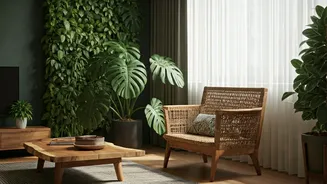
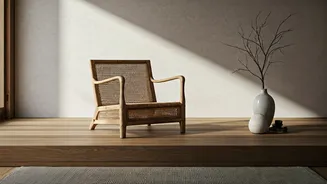
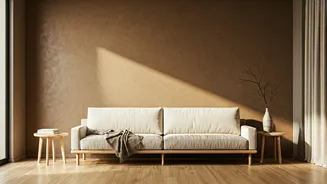
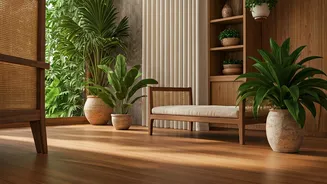
Achieving the Japandi look is less about buying specific items and more about embracing its core principles. The colour palette is key: think muted, neutral tones like beige, oatmeal, stone grey, and soft whites, often punctuated with subtle, darker accent colours like charcoal or indigo. Natural materials are the undisputed stars of the show. Light woods like oak and maple (a Scandinavian favourite) are paired with darker woods like walnut or the traditional Japanese technique of 'shou sugi ban' (charred wood). Rattan, bamboo, jute, and linen are used extensively in furniture, lighting, and textiles to add texture and warmth. The overall effect is one of grounded, organic beauty.
Functionality and Mindful Curation
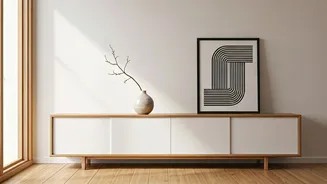
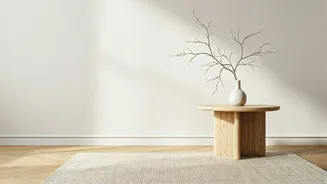
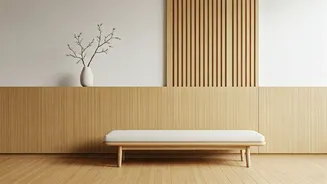
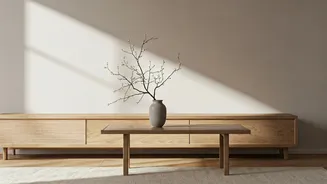
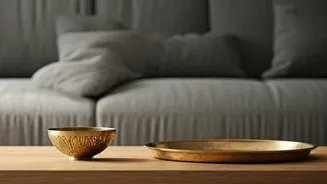
A Japandi home is never sterile or unlived-in. Every object has a purpose and a place. Furniture is chosen for its clean lines, high-quality craftsmanship, and functionality. Low-profile sofas, simple wooden benches, and uncluttered side tables are common features. The style champions a 'less is more' approach to decor. Instead of filling shelves with knick-knacks, the focus is on a few carefully chosen, meaningful pieces: a unique ceramic vase, a handcrafted wooden bowl, or a single piece of impactful art. This decluttered approach isn't about deprivation; it's about making conscious choices that contribute to a peaceful environment.
Beauty in Imperfection
Perhaps the most appealing aspect of Japandi is its embrace of imperfection, courtesy of the 'wabi-sabi' philosophy. Unlike stark, cold minimalism, Japandi celebrates the small flaws that give objects character. This could be the uneven glaze on a handmade pottery mug, the natural grain of a wooden table, or the soft wrinkles in a linen throw. This acceptance of the imperfect makes the style feel accessible and deeply human. It encourages us to create spaces that are not just beautiful for a photoshoot, but are genuinely comfortable, liveable, and reflective of a life well-lived.