




The Cosmic Legacy of Halley's Comet
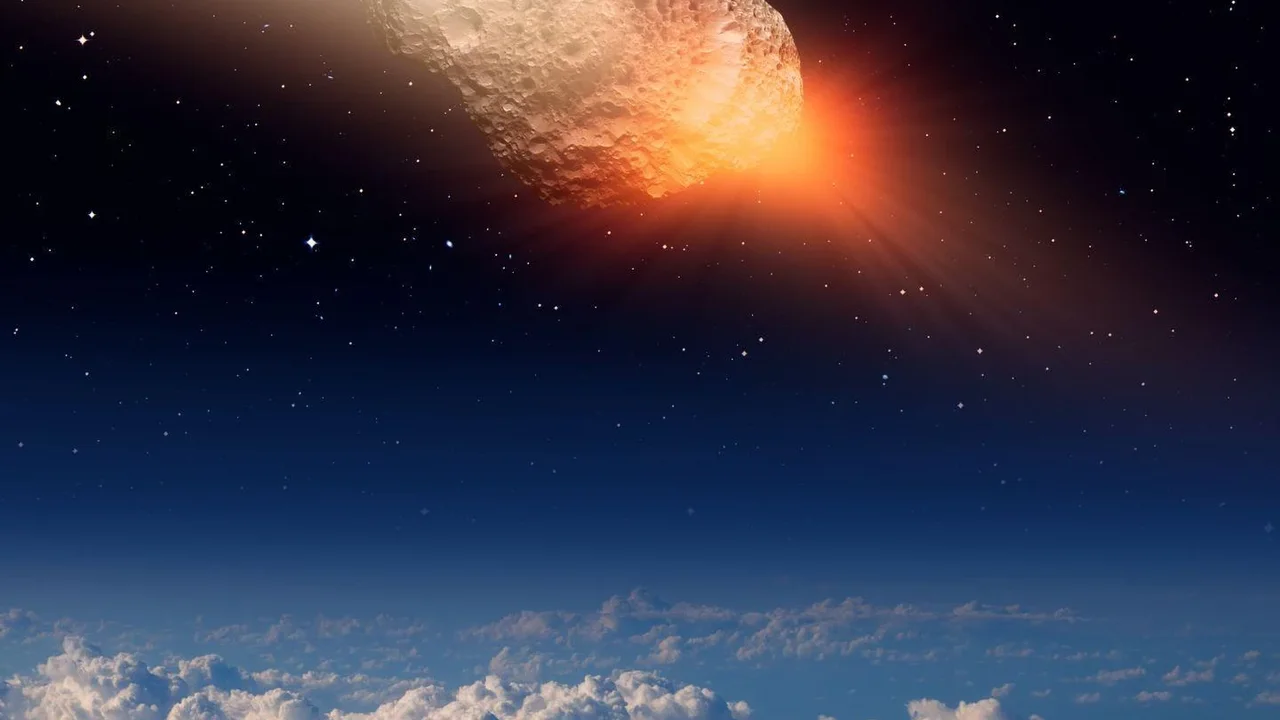
The Orionid meteor shower is an annual celestial event that occurs when Earth passes through the trail of cosmic debris left behind by one of the most famous objects in our solar system: Comet 1P/Halley. These tiny particles, most no bigger than a grain
of sand, slam into our atmosphere at incredible speeds of around 66 kilometres per second. As they burn up, they create the fast, bright streaks of light we call meteors. The Orionids are known for being one of the most beautiful showers of the year, sometimes leaving behind glowing trails that can linger for several seconds. They get their name because the meteors appear to radiate from a point in the constellation Orion, the Hunter.
The Moon's Unwelcome Glare
This year, the Orionids face a significant challenge. The shower is predicted to reach its peak activity on the night of October 21-22, 2026. Unfortunately, this coincides with a bright waxing gibbous moon, which will be about 78% illuminated. A full moon follows just a few days later on October 26. This intense moonlight acts like natural light pollution, making the sky brighter and washing out all but the most brilliant meteors. Under ideal dark-sky conditions, the Orionids can produce around 15 to 20 meteors per hour. However, with the moon's interference, the number of visible meteors will be drastically reduced. This makes planning and patience more crucial than ever for anyone hoping to catch a shooting star.
Timing Is Everything
While the moon presents a problem, it doesn't make viewing impossible. The key to success in 2026 is strategic timing. The moon will be high in the sky for most of the evening and after midnight, when the shower's radiant point is also climbing. However, there is a window of opportunity. The bright moon will set a few hours before dawn. This creates a period of darkness in the early morning hours, just as the radiant point in Orion reaches its highest point in the sky. Your best bet is to set an alarm and head out between roughly 3 a.m. local time and the first light of dawn. This brief, dark window offers the best chance to see the Orionids without the moon's glare.
Location, Location, Location
With the moon already brightening the sky, getting away from artificial city and suburban lights is non-negotiable. Find the darkest possible location you can safely access, such as a rural area, a park far from city centres, or a designated dark-sky site. Even a small amount of light pollution can compound the moon's effect and make spotting faint meteors impossible. One creative tip for dealing with the moon is to position yourself in a 'moon shadow'. Try to set up your viewing spot where a building, a hill, or a dense stand of trees blocks the moon itself from your direct line of sight. This simple trick can help your eyes adapt better to the darkness and improve your chances of seeing the meteors that do appear.
How to Watch and What to Expect
You don't need a telescope or binoculars to watch a meteor shower; in fact, they can limit your field of view. The best tool is your own eyes. Once you're at your dark location, lie back on a blanket or reclining chair and look up, taking in as much of the sky as possible. Give your eyes at least 20 to 30 minutes to fully adapt to the darkness, and avoid looking at your phone, as its bright screen will ruin your night vision. Remember to manage your expectations. Because of the moonlight, you won't see the 20-per-hour rate. You might only catch a few of the brightest meteors every hour. But the ones you do see could be spectacular fireballs, a signature of the fast-moving Orionids. Patience is the most important virtue for a skywatcher this year.