


Why Go Vertical? The Magic of Hanging Planters
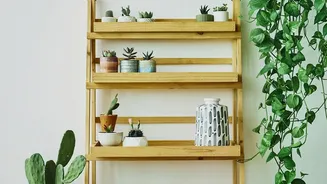
In urban apartments where every square foot is precious, hanging planters are a game-changer. By utilizing vertical space, you can introduce a variety of plants without cluttering your floors or surfaces. This design trick not only frees up functional
areas but also draws the eye upward, creating an illusion of height and making a room feel more open and dynamic. Hanging plants soften architectural lines and can transform a stark corner or bare wall into a living piece of art. Furthermore, elevating your plants ensures they get better air circulation, which can reduce the risk of pests and diseases, and keeps delicate foliage safely away from pets and small children.
Choosing Your High-Fliers: Best Plants for Hanging
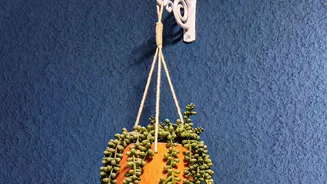
The key to a successful hanging garden is choosing plants that thrive in suspended containers. Trailing or vining plants are perfect as they create a beautiful cascading effect. For Indian homes, a few hardy and popular choices are practically foolproof. The Money Plant (Pothos), considered auspicious in many households, is incredibly resilient and thrives in various light conditions. Its heart-shaped leaves on long vines are a classic look. The Spider Plant is another excellent, low-maintenance option known for its air-purifying qualities and arching leaves that produce 'spiderettes' which dangle gracefully. For something a bit more dramatic, consider the String of Pearls or Burro's Tail; these succulents have unique, eye-catching foliage and require minimal watering.
The Perfect Pot: A Guide to Planter Styles
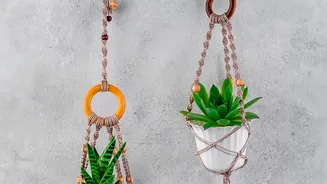
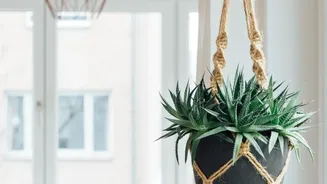
The planter you choose is just as important as the plant itself. The style of the pot contributes significantly to your room's overall aesthetic. Macrame hangers have made a huge comeback, offering a bohemian, handcrafted feel that adds texture and warmth. They work well with simple terracotta or ceramic pots. For a more modern or minimalist look, consider sleek ceramic or metal hanging pots with clean lines. Woven baskets can introduce a rustic, earthy charm. When selecting a planter, also consider its material and drainage. Most hanging plants need well-draining soil, so ensure your pot has a drainage hole or use a cachepot system to prevent waterlogging.
Location, Location, Location: Where to Hang Your Greens
Think beyond the traditional corner. Hanging planters are incredibly versatile and can be used to style various parts of your home. Frame a window with a pair of hanging ferns to create a lush, green curtain that filters natural light. Suspend a plant above your desk or in a reading nook to bring a sense of calm and focus to your workspace. In the kitchen, you can hang small pots of herbs near the window for fresh ingredients at your fingertips. A collection of planters hung at varying heights can turn a blank wall into a stunning vertical garden. You can even use tension rods in window frames or over-the-rail hooks on a balcony for a no-drill hanging solution.
A Quick How-To on Installation and Care
Hanging your plants securely is crucial. For plaster or drywall ceilings, always use a hook with an anchor that's rated to hold the weight of your plant, especially after watering. Locating a ceiling joist for heavier pots is the most secure method. For care, remember that hanging plants can dry out faster than their potted counterparts due to increased air circulation. Check the soil moisture regularly; a good rule of thumb for many common houseplants is to water when the top inch of soil feels dry. Since they are closer to the ceiling, they might receive different light than plants on a windowsill, so observe your plant and adjust its position if needed to ensure it gets the right amount of sun.