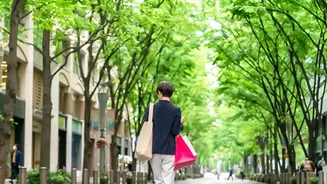







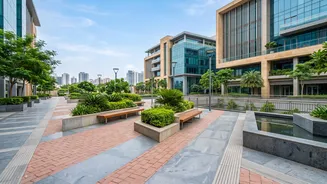
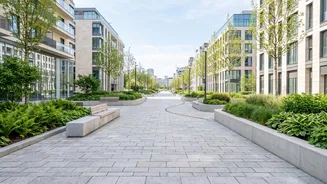
Imagine strolling through a bustling market, free from the noise and danger of traffic. Around the world, cities are rediscovering the power of pedestrian-friendly streets, transforming shopping from a chore into a delightful experience.
The People-First Principle
For decades, urban
planning prioritised cars, leading to congested, noisy, and often unpleasant city centres. Now, a global movement is reclaiming streets for people. The concept is simple: when you design a space that is safe, comfortable, and enjoyable to walk through, people are more likely to linger, explore, and, importantly, shop. Studies have shown that investments in walking and cycling improvements can increase retail sales by up to 30%. Pedestrians and cyclists may buy less per trip, but they visit more often, leading to higher overall spending. This shift transforms shopping from a purely transactional activity into an experiential one, boosting local economies and creating a stronger sense of community.
Strøget, Copenhagen: The Car-Free Pioneer
No discussion of pedestrian streets is complete without mentioning Strøget in Copenhagen. Established in 1962, it was one of Europe's first and longest pedestrian shopping areas, a bold experiment at the time. Local business owners were initially sceptical, fearing that no cars would mean no customers. The reality was the exact opposite. The 1.1 km street quickly became a massive success, proving that a traffic-free environment actually attracted more people and increased revenue for retailers. Today, Strøget is a bustling hub mixing high-end luxury brands with affordable high-street fashion, proving that prioritising people is good for business.
The Shambles, York: A Walk Through History
Stepping onto The Shambles in York is like stepping back in time. It is considered one of the best-preserved medieval streets in the world, with some buildings dating to the 14th century. Its name derives from 'fleshammels', an old term for the flesh-shelves used by the butchers who originally populated the street. The overhanging timber-framed buildings were designed to protect the meat from the sun, and today they create an incredibly unique and intimate atmosphere. Now a bustling pedestrian area, the street is filled with quirky independent shops and boutiques. Its historic charm, so potent it is often compared to the fictional Diagon Alley from Harry Potter, draws tourists and shoppers who are captivated by the unique experience.
Rue Mouffetard, Paris: A Feast for the Senses
Known to locals as 'la Mouffe', this vibrant street in Paris's Latin Quarter is a quintessential market street. Dating back to Roman times, Rue Mouffetard offers an authentic slice of Parisian life. While it hosts many shops in permanent buildings, the lower part of the street transforms into a bustling open-air market from Tuesday to Sunday, filled with stalls of fresh produce, cheeses, and baked goods. Predominantly a pedestrian zone, the narrow, cobbled street encourages a leisurely pace, inviting shoppers to immerse themselves in the sights, sounds, and smells. It’s a perfect example of how a street dedicated to food and community can become a major commercial and social destination.
The Indian Context: Chennai’s Streets for People
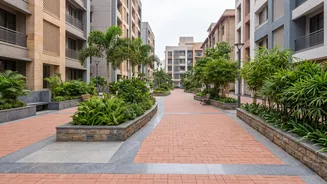
The global trend of pedestrianisation is also taking root in India. Chennai has emerged as a pioneer with its 'Streets for People' initiative. The city has transformed over 100 kilometres of streets with wider, safer footpaths, and in 2019 inaugurated the Pondy Bazaar Pedestrian Plaza, turning a busy commercial street into a walkable promenade for shoppers. The results have been transformative, with foot traffic increasing by up to 250% on some redesigned streets. The project has not only made shopping more pleasant but has also improved public safety and encouraged more people to walk. Inspired by this success, the program is being expanded to other cities in Tamil Nadu.