



The Fiery Comfort of Rasam
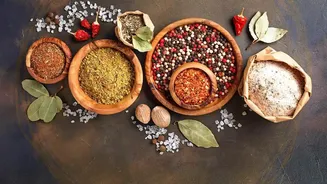
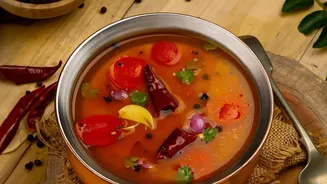
In South India, winter is synonymous with rasam. This thin, peppery soup is a beloved home remedy for colds and sore throats. Its power lies in a potent blend of spices. Black pepper, known for its ability to relieve congestion, is a star ingredient.
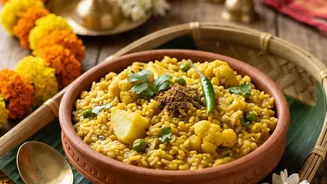
Cumin, coriander seeds, and turmeric add to its healing profile, creating a broth that is both flavourful and functional. Traditionally built on a tamarind water base, rasam is light on the stomach, aids digestion, and provides hydration. While often served with rice, a warm cup of milagu (pepper) rasam on a cold evening is a comforting ritual in itself, working to boost immunity and clear sinuses.
Tulsi: The Queen of Herbs
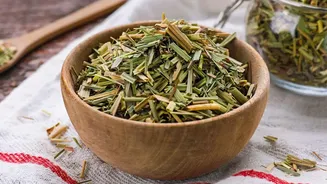
Revered in Ayurveda, Tulsi, or Holy Basil, is a cornerstone of winter wellness. Its leaves are packed with compounds that support the body’s natural defences and help combat respiratory ailments. While often consumed as a 'kadha' (a herbal decoction), tulsi leaves are frequently added to soups and broths to infuse them with their protective properties. A simple broth made by simmering tulsi leaves with ginger and black pepper can be wonderfully soothing for a sore throat. Its antimicrobial and anti-inflammatory qualities make it a valuable addition to any winter diet, helping to reduce the 'heavy' feeling associated with seasonal sluggishness and congestion.
Ginger and Turmeric: The Warming Power Duo
No Indian winter kitchen is complete without ginger and turmeric. Ginger is prized for its warming (uṣṇa) quality in Ayurveda, believed to fire up digestion and provide relief from chills. Turmeric contains curcumin, a compound celebrated for its anti-inflammatory benefits. Together, they form a formidable duo against winter woes. This combination is fundamental to many broths, from simple vegetable soups to rich, hearty shorbas. Grated ginger and a pinch of turmeric can elevate a simple lentil soup, while their paste forms the flavour base of more complex dishes, providing warmth and supporting the immune system from within.
Shorba: A Rich, Restorative Broth
With roots in Mughal cuisine, shorba is a heartier, richer soup perfect for deeply cold days. Varieties like Mutton Paya Shorba, made from lamb trotters, are slow-cooked for hours to extract collagen and nutrients, creating a deeply restorative meal. The magic, however, is in the whole spices. Cinnamon sticks, cloves, cardamom, and bay leaves are simmered along with the meat, infusing the broth with their warming properties and complex aromas. These spices are not just for flavour; in traditional medicine, they are used to generate heat in the body and support overall vitality during the cold season. A bowl of well-spiced shorba is considered a meal in itself, perfect for replenishing energy.
Cloves and Cinnamon: The Aromatic Shield
Often found in shorbas and some kadhas, cloves and cinnamon are more than just fragrant spices. Cloves have been traditionally used for their antiseptic properties and to soothe throat irritation. Cinnamon is another warming spice that is a staple in Ayurvedic winter cooking. When added to a broth, they slowly release their essential oils, creating a soup that not only tastes festive and comforting but also helps in keeping the body warm. They complement other key herbs like ginger and pepper, working together to create a synergistic blend that supports digestion and protects against the harshness of the cold weather.