





What 'Spontaneous' Really Means
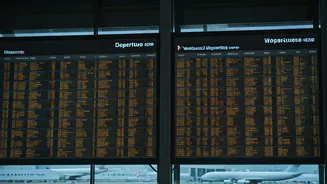
This headline-grabbing 68% figure, highlighted in recent reports from leading online travel agencies (OTAs), refers specifically to flights booked within a very short window—typically 0 to 3 days before the departure date. Compared to the same period
last year, a significantly larger number of Indian travellers are ditching long-term plans and opting for immediate getaways. This isn't just a minor fluctuation; it's a robust trend indicating a fundamental change in travel behaviour. It signals a move away from the traditional, carefully scheduled annual vacation towards a more flexible, opportunistic approach to taking breaks. The data suggests that for many, travel is no longer a distant event on the calendar but an accessible, on-demand experience.
The Flexible Work Revolution
Perhaps the single biggest driver of this trend is the seismic shift in work culture. The widespread adoption of remote and hybrid work models has untethered millions of professionals from their office desks. This newfound flexibility empowers people to make last-minute decisions without dipping into a limited pool of annual leave. A quiet Friday can easily morph into a long weekend in Goa or the hills. The ability to log in from a hotel balcony or an Airbnb has blurred the lines between work and leisure, making travel less of a logistical hurdle. A spontaneous trip no longer means taking a full day off; it might just mean changing your backdrop for a few Zoom calls before you head out to explore.
From Revenge Travel to Habitual Travel
The initial post-pandemic travel boom was dubbed 'revenge travel'—a desperate rush to make up for lost time. That phase, however, seems to be evolving. While the desire to explore remains strong, it has matured from a once-a-year blowout into a more sustained, frequent habit. Instead of one big, expensive international trip, many are opting for multiple smaller, domestic breaks throughout the year. This shift prioritises experiences over possessions and continuous well-being over delayed gratification. The psychological impact of the lockdowns, where freedom of movement was curtailed, has left a lasting impression, encouraging people to seize travel opportunities whenever they arise, rather than postponing joy.
Smarter Tech and Tempting Deals
Technology has played a crucial role in enabling this spontaneity. Travel booking apps have become incredibly sophisticated, offering seamless, one-tap booking experiences. AI-powered algorithms now push hyper-personalised, last-minute deals directly to our phones, creating temptations that are hard to resist. Airlines, facing stiff competition, have also become more adept at dynamic pricing. While booking far in advance often secures the best price, airlines sometimes release unsold inventory at discounted rates closer to the departure date to fill seats. Savvy travellers and intuitive apps are quick to spot these bargains, making an impromptu trip not just exciting but also economically viable. This ecosystem of accessible tech and dynamic pricing has effectively removed much of the friction from last-minute planning.
Where Is Everyone Going?
The destinations for these spur-of-the-moment trips are often short-haul routes that are easily accessible from major metropolitan hubs. Leisure hotspots like Goa, Jaipur, and Kochi consistently top the list. Hill stations such as Dehradun (for access to Mussoorie and Rishikesh) and Bagdogra (for Darjeeling and Gangtok) also see significant traffic, especially during long weekends. There’s also a rise in travel to cities like Bengaluru, Hyderabad, and Pune, which blend business with a vibrant cultural and culinary scene, making them perfect for a quick 'work-cation'. The common thread is convenience—destinations that offer a quick change of scenery without requiring extensive planning or travel time.