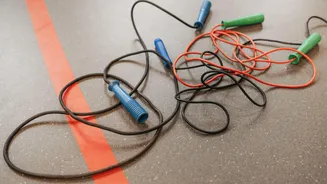







That simple rope from your childhood playground is one of the most effective, efficient, and affordable tools for serious cardiovascular fitness. But how does this humble piece of equipment deliver such a powerful workout? The magic lies in its rhythm.
The Cardio Engine
At its core, jump rope is an exercise in repetitive, rhythmic movement. Each jump, no matter how small, requires your muscles to work, which in turn demands more oxygen-rich blood. Your heart answers this call by beating faster and stronger to pump blood throughout your body, elevating your heart rate into the cardiovascular training zone. Unlike some exercises that take time to build intensity, jumping rope can raise your heart rate two to three times faster than other activities, making it an incredibly efficient way to challenge your heart and lungs. This sustained elevation in heart rate strengthens the heart muscle over time, improving its ability to pump blood and reducing your overall risk of cardiovascular disease.
An Efficient Calorie Burner
For those looking to manage their weight, jump rope is a calorie-burning powerhouse. Because it engages muscles from your lower legs up through your core and shoulders, the energy demand is significant. Depending on factors like your weight and intensity, jumping rope can burn between 11 and 13.5 calories per minute. Some estimates suggest a vigorous 20-minute session could burn over 360 calories for a 91-kg person. Multiple studies and fitness experts note that, minute for minute, jumping rope can burn more calories than running at a moderate pace. A famous study from Arizona State University even found that just 10 minutes of daily rope skipping offered the same cardiovascular improvements as 30 minutes of jogging.
More Than Just Heart Health
While the cardio benefits are undeniable, the impact of jumping rope extends throughout the body. The light, repetitive impacts of landing help stimulate bone-forming cells, which can improve bone mineral density. This is particularly valuable for maintaining skeletal health as we age. Furthermore, the act of jumping rope is a complex neurological task. It forces your brain, eyes, hands, and feet to work in perfect synchrony, enhancing your coordination, balance, and agility. This neuromuscular training improves your body's overall efficiency of movement and can reduce the risk of falls and injuries in other activities.
Getting Started The Right Way
The beauty of jump rope is its accessibility, but proper form is key to preventing injury and building a sustainable habit. Start by selecting the right rope. A beaded rope can offer good feedback for beginners, while a slightly longer rope is more forgiving than one that's too short. To find the right length, stand on the middle of the rope; the handles should reach your armpits or chest. When you begin, focus on small hops, just an inch or two off the ground, landing softly on the balls of your feet. Your knees should be slightly bent to absorb the impact, and your arms should stay close to your body, with the rotation coming from your wrists, not your shoulders. Start with short intervals, like 30 seconds of jumping followed by 30 seconds of rest, and gradually increase your duration as your fitness and coordination improve.