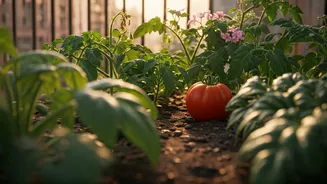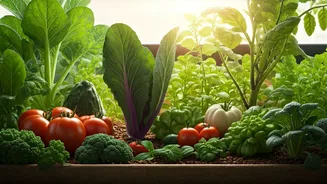




Why the Sudden Green Thumb?
This isn't just about a few new potted plants. The shift towards urban farming is a powerful response to modern city life. For many, it began with a simple question: do I know where my food comes from? Concerns over pesticide-laden vegetables and skyrocketing
market prices have pushed people to seek a more reliable, healthier alternative. The pandemic also played a major role, highlighting the fragility of supply chains and giving people more time at home to cultivate new hobbies. But beyond the practicalities, there's a deeper, more emotional driver. In the relentless pace of urban living, gardening offers a slice of serenity. It's a tangible way to reconnect with nature, find a mindful escape, and create something beautiful and nourishing with your own hands.
The New Urban Harvest
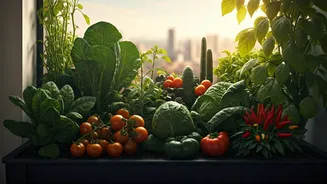
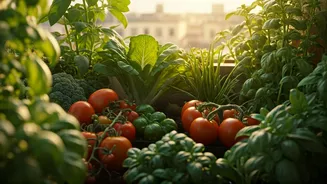
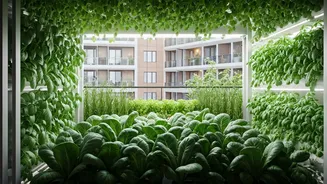
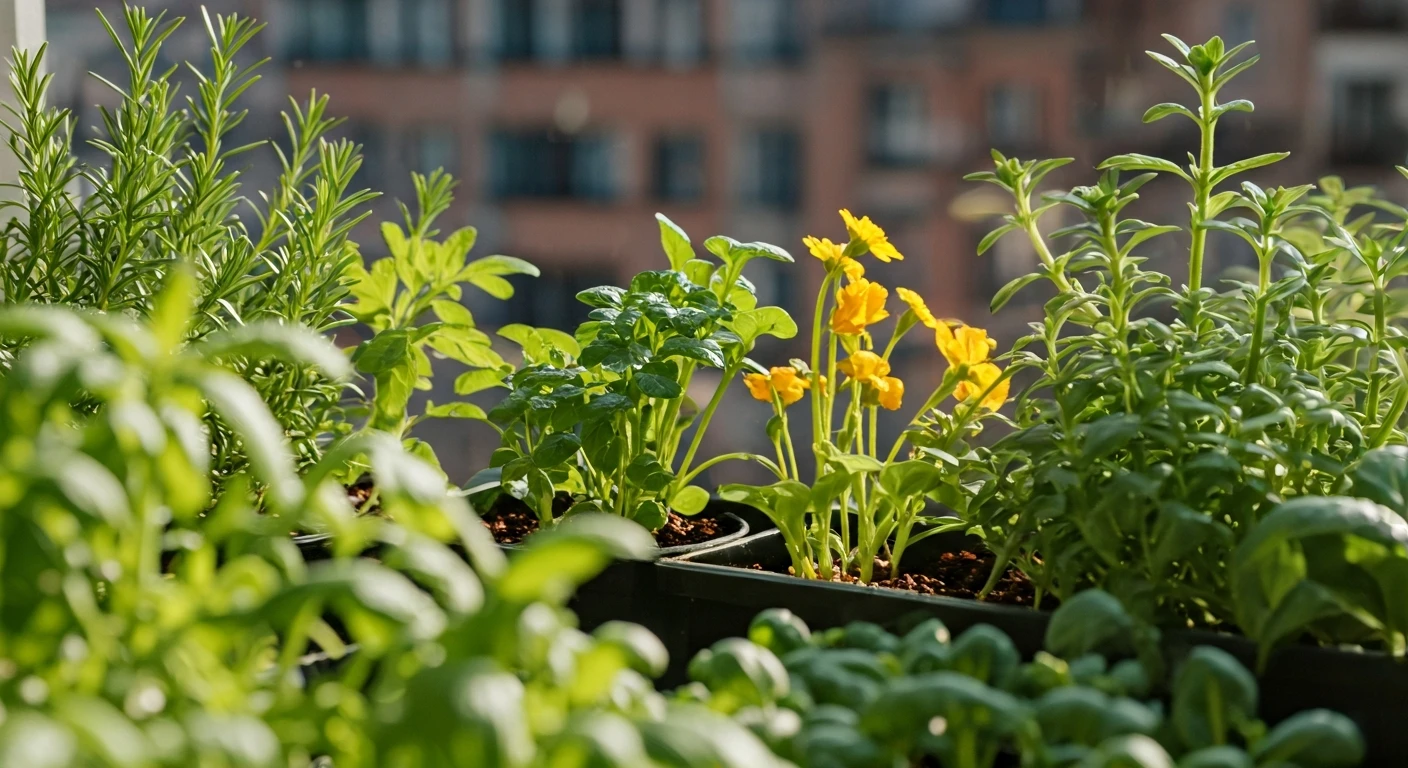
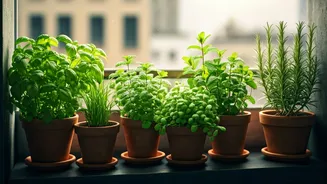
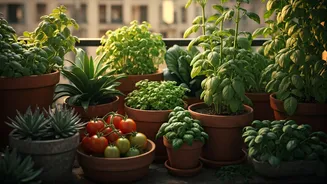
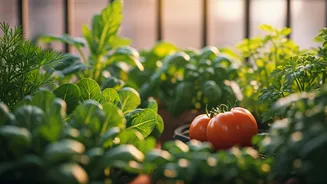
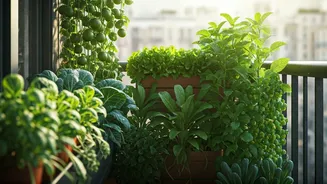
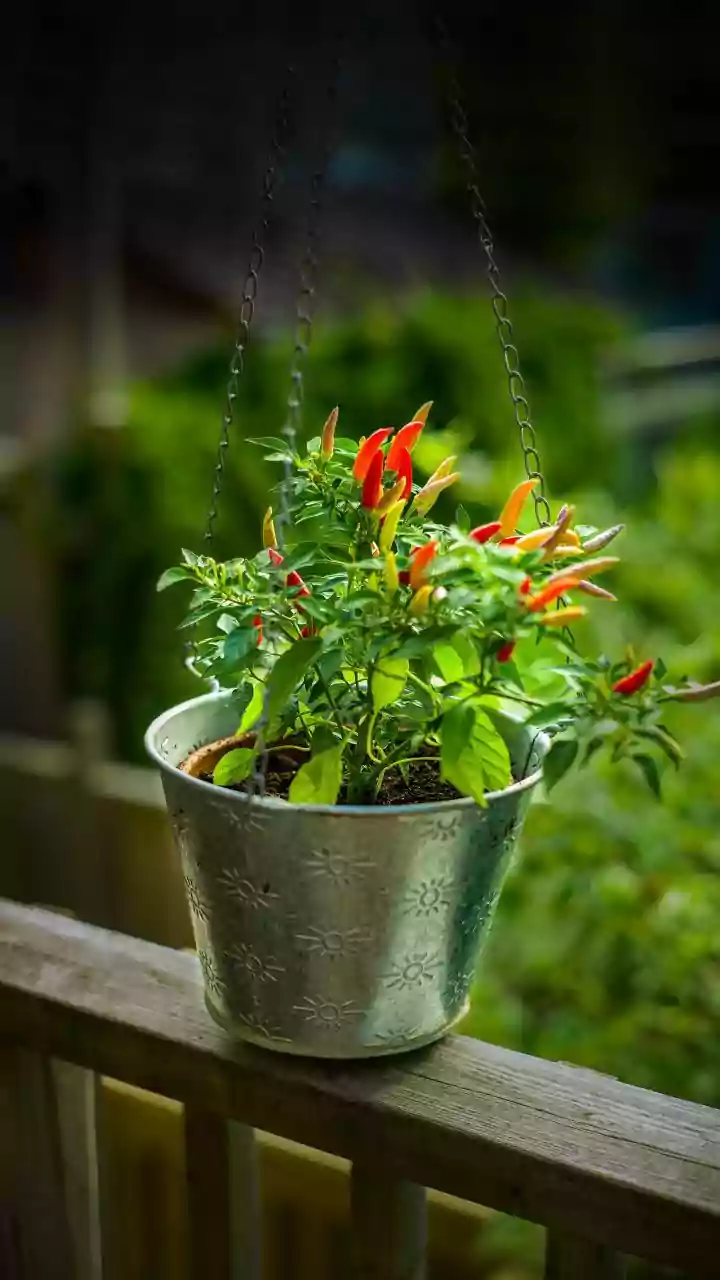
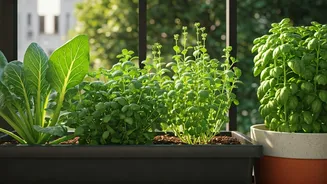
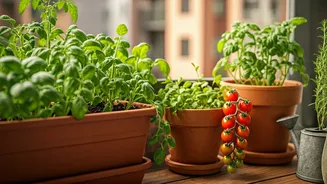
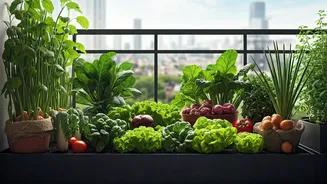
You don’t need acres of land to grow a surprising amount of food. The key is choosing the right plants for small spaces and India's diverse climates. The most popular choices are those that yield consistently and don't require extensive care. Herbs are a fantastic starting point. A single pot of mint (pudina) or holy basil (tulsi) can thrive on a windowsill. Coriander (dhania) and fenugreek (methi) are also incredibly easy to grow. For vegetables, cherry tomatoes, chillies (mirchi), and brinjal are balcony favourites. Leafy greens like spinach (palak) and amaranth are quick to grow and can be harvested multiple times. With a bit more space on a terrace, people are successfully growing everything from lady's finger (bhindi) and gourds (lauki) to even lemons and papayas in large containers.
How to Start Your Own Mini Farm
Feeling inspired? The best part is that anyone can start. Here’s a simple guide: 1. **Start Small:** Don't overwhelm yourself by trying to plant everything at once. Begin with one or two pots of something you love to eat, like chillies or mint. 2. **Location, Location, Location:** Most vegetables and herbs need at least 4-6 hours of direct sunlight. Observe your balcony or window to find the sunniest spot. 3. **Get the Right Mix:** Don't just use regular mud. A good potting mix combining soil, cocopeat (for water retention), and compost or vermicompost (for nutrients) will give your plants the best start. This is readily available at local nurseries. 4. **Choose Your Plants Wisely:** Start with seedlings from a nursery rather than seeds for a higher success rate. Ask for beginner-friendly plants that suit your local climate. 5. **Water Correctly:** The biggest mistake beginners make is overwatering or underwatering. Check the soil with your finger; if the top inch is dry, it’s time to water. Ensure your pots have drainage holes to let excess water escape.
More Than Just Fresh Food
The benefits of a home garden extend far beyond the kitchen. The simple act of tending to plants has been proven to reduce stress and anxiety, offering a daily dose of nature therapy. It's a gentle form of physical activity that gets you moving and absorbing some much-needed Vitamin D. For families, it’s a fantastic educational tool, teaching children where food comes from and the importance of patience and care. On a larger scale, this green movement contributes to a healthier urban environment. Plants help purify the air, reduce the urban heat island effect, and lower your personal carbon footprint by reducing 'food miles'—the distance your food travels from farm to plate.